Author: iMedia

  • 2025 Marks a New Era for Fisheries and Marine Development in NTB

    2025 Marks a New Era for Fisheries and Marine Development in NTB

    Lombok Zone – The year 2025 heralds a significant transformation in the fisheries and marine sectors in West Nusa Tenggara Province. Under the leadership of Iqbal and Dinda, this sector is evolving beyond merely being a source of primary commodities. It is now positioned as the cornerstone of a productive, competitive, and sustainable agro-maritime industry.

    This period represents both a consolidation phase and an opportunity for acceleration. As the inaugural year for implementing the Regional Medium-Term Development Plan (RPJMD) for 2025-2029, it also serves as a key moment for reinforcing production structures, enhancing the well-being of business actors, and integrating economic productivity with environmental sustainability.

    Enhanced Production and Consolidation of the Sector

    In 2025, the total fish production reached 1,252,719.60 tons, exceeding the annual target and reflecting a growth of 2.96 percent compared to 2024. This performance indicates that growth is no longer erratic but is rooted in stabilizing production systems at the levels of fishermen and breeders.

    The aquaculture subsector achieved 997,210.64 tons, surpassing its targets with a 1.66 percent annual increase. Although this growth is moderate, it takes place on a substantial production base nearing one million tons, indicating a notable strengthening of the aquaculture structure. The stability in shrimp and seaweed production, alongside improved business efficiency, marks successful technical guidance and the beginning of production integration aligned with market orientation.

    On the other hand, the capture fisheries sector realized production of 255,508.96 tons, growing 2.79 percent from the previous year. This growth reflects stabilizing capture activities and optimizing production resources, while ensuring that output increases remain within the sustainability framework for fish resources.

    Improved Welfare for Business Players

    From an economic perspective, the Fisheries Exchange Rate (NTP) in 2025 recorded at 106.82, showing an increase of 1.23 points compared to 2024, significantly surpassing expectations. This increase suggests that the prices received by fishermen and breeders are rising faster than their costs. At a macro level, these conditions reflect a stabilization of business actors’ welfare and provide evidence that production growth aligns with improved margins.

    Environmental Sustainability and Continuous Growth

    Indicators of environmental sustainability have also shown progress. By 2025, the area of marine ecosystems classified as healthy reached 14,528 hectares, exceeding targets and marking an improvement from 2024. This progress is supported by the management of 12 marine conservation areas through three designated management bodies. Such advancements in ecosystem quality affirm that growth in the fisheries sector proceeds in harmony with ecological caution.

    Strengthened Regulatory Framework

    The transformation of the sector is further solidified by the establishment of Provincial Regulation No. 14 of 2025 regarding Sustainable Management of Marine and Fisheries Resources. This regulation clarifies the provincial authority in managing the sea up to 12 miles, bolsters a risk-based licensing system, enhances conservation area management, and inspects mechanisms.

    With this legal framework, the direction of fisheries industrial downstreaming is reinforced, aligned with environmental support and the welfare of coastal communities.

    Beginning of Downstreaming Initiatives

    Additionally, 2025 marks the starting point for restructuring the economic landscape of the marine sector through increased downstreaming efforts. The operation of a salt factory in Bima Regency has transitioned the local economic model from raw material production to value addition.

    The impact is evident through increased income for salt farmers, job creation, price stabilization, and reduced dependence on external supply—demonstrating concrete steps toward building a robust agro-maritime value chain.

    In the case of the leading shrimp commodity, the local government is preparing a Feasibility Study (FS) and Detailed Engineering Design (DED) for an integrated processing plant linked with the fishing port. Accompanied by investment policy supports such as land provision, licensing facilitation, and fiscal incentives, the strategy emphasizes that the downstreaming approach extends beyond technical planning to form a tangible investment ecosystem.

    A Pivotal Year

    Overall, nearly all key indicators for 2025 indicate improvement over 2024: production has risen close to 3 percent, both aquaculture and capture sectors are positively growing, the NTP is stronger, and the quality of marine ecosystems is better. If 2024 can be seen as a period of stabilization, then 2025 reflects a more mature and directed consolidation, underpinned by strong regulatory foundations and an increasingly integrated approach to development between productivity, value addition, and sustainability.

    Thus, 2025 is positioned as a turning point for the fisheries and marine sector in NTB: a transitional phase from mere quantitative growth towards the transformation of agricultural industry governance that is productive, competitive, and sustainable.

  • NTB Government Pushes for Quick Resolution of Mining Permits

    NTB Government Pushes for Quick Resolution of Mining Permits

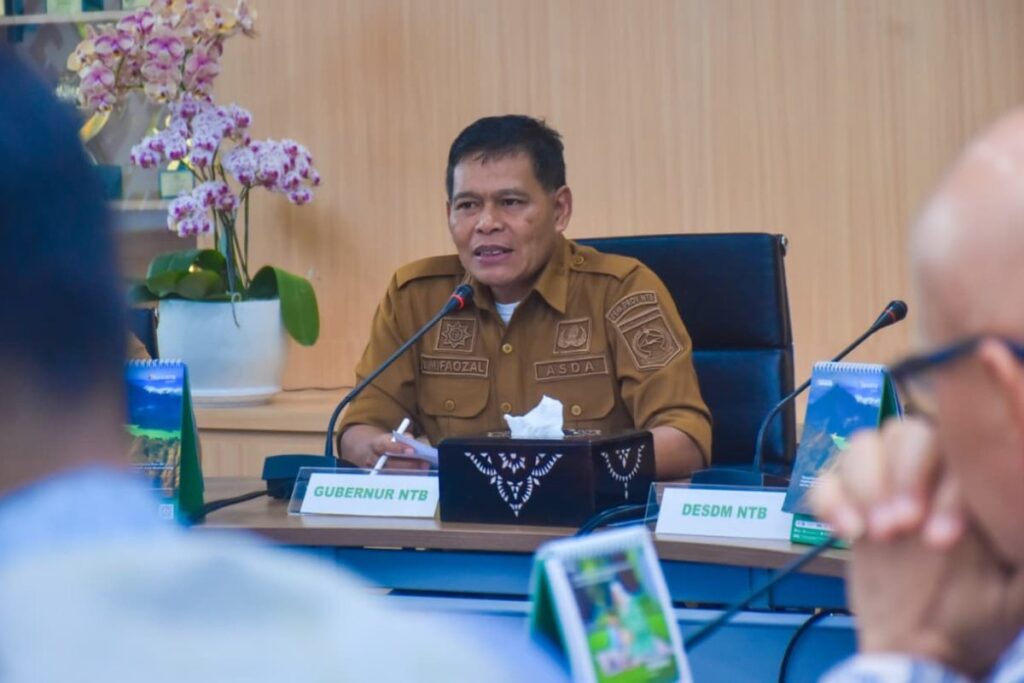
    Lombok Zone – The local government of Nusa Tenggara Barat (NTB) is taking decisive action to expedite the mining permit process for small-scale miners. This initiative was highlighted during a Focus Group Discussion (FGD) held on February 24, 2026, at the Bank NTB Syariah building. Representing NTB’s Governor, the Regional Secretary H. Lalu Moh. Faozal emphasized the critical need to accelerate the issuance of Mining Permits (Izin Pertambangan Rakyat, IPR) as a way to combat the prevalence of illegal mining and address the decline in regional revenue.

    He pointed out that NTB’s fiscal situation is currently under stress due to a significant cut in the Transfer to Regions (TKD) fund by the central government, amounting to IDR 1.2 trillion. “The potential of IPR can be a lifesaver for NTB in terms of local revenue. We contribute significantly to the national economy, but our fiscal health is not in good shape,” he stated.

    Despite having received 16 IPR proposals, only one location has successfully moved forward as a pilot project, situated in Selanong, Bukit Mas Bangket. However, there are still technical challenges related to post-mining reclamation and the readiness of mining cooperatives’ administrative matters that need to be resolved.

    One of the main obstacles identified is the differing interpretations of regulations among three sectors: Energy and Mineral Resources (ESDM), Environment (LHK), and Cooperatives. This lack of synchronization is perceived to potentially create legal loopholes.

    “We do not want the local government to become merely a ‘student’ of law enforcement agencies subsequently due to misinterpretations of regulations. That is why we invited the police and prosecutors to supervise this process to ensure transparency and accountability,” he asserted.

    During the FGD, the NTB government outlined four strategic steps: identifying mining management issues, formulating a transparent legalization strategy, promoting cross-sectoral synergies (central and regional government, law enforcement), and developing sustainable policy recommendations.

    This initiative is also expected to accelerate discussions on the regional legislative initiative concerning mining. Interestingly, NTB’s commitment to regulating IPR has drawn national attention, as evidenced by a recent study visit from the Gorontalo provincial government.

    “The community has been waiting. We can no longer postpone. The swift implementation of regulations is key to transforming illegal mining into a legal sector that benefits the people,” he concluded.

    Earlier, the Head of the NTB Energy and Mineral Resources Office, Samsudin, provided an update on the progress of IPR in the region. He revealed that out of the 16 proposals received, only one has advanced as a pilot project, located in Bukit Selonong, Sumbawa. However, he acknowledged that its operations are still far from optimal.

    “The project in Selonong is a dummy, but on the ground, we are still facing environmental issues related to post-mining reclamation and unresolved internal cooperative administrative issues,” he explained further.

    The ESDM head highlighted the ‘conflict’ of regulations among the three key sectors: ESDM, Environment, and Cooperatives. These differing interpretations of rules have hindered the legalization process, while demands from mining communities continue to rise through various forms of expression.

    In response, they held a strategic FGD to formulate the acceleration of IPR legalization. The main focus is to align cross-sector policies and involve law enforcement agencies to ensure a robust legal framework for the licensing process.

    “We aim to identify current issues and develop policy recommendations that ensure the welfare of the people without neglecting environmental preservation,” he concluded.

  • Inclusivity in Rinjani National Park Management: A Commitment from the Governor

    Inclusivity in Rinjani National Park Management: A Commitment from the Governor

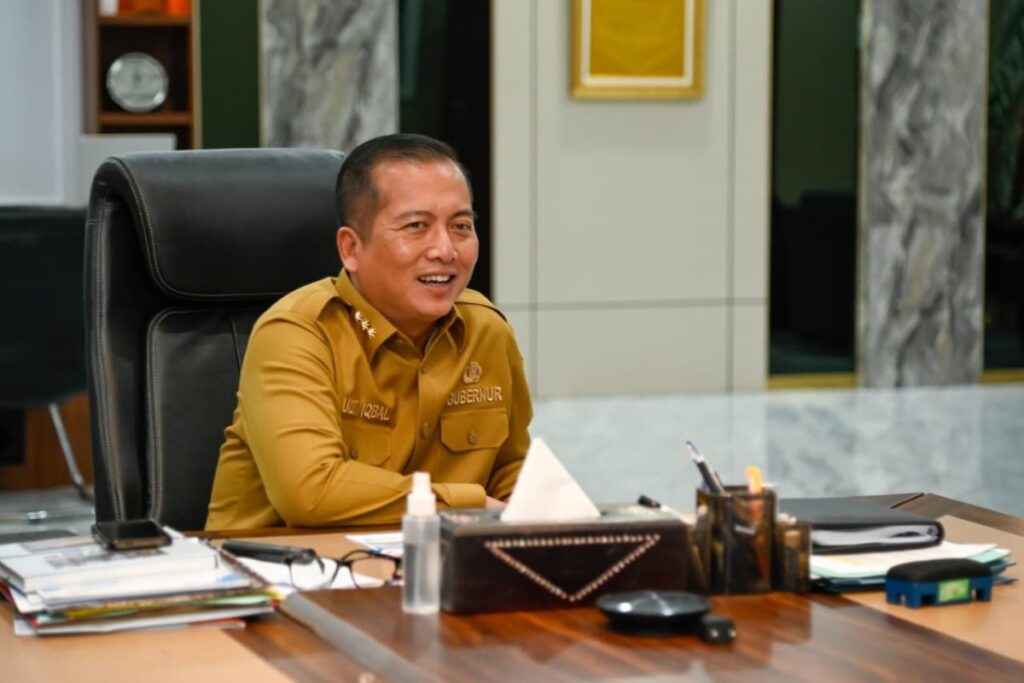
    Lombok Zone – The Governor of West Nusa Tenggara, Dr. L Muhamad Iqbal, has emphasized the provincial government’s commitment to making the management of Mount Rinjani National Park (TNGR) more inclusive. This initiative aims to engage all stakeholders and involve local communities in the conservation and tourism efforts surrounding this renowned destination.

    During a meeting held on February 23, 2026, with Budhy Kurniawan, the Head of TNGR, and Qwadru P Wicaksono, General Manager of Rinjani Geopark, the Governor expressed strong support for TNGR’s operational programs. He highlighted that the provincial government should be the first to respond to challenges facing TNGR, recognizing that the park cannot tackle its issues alone.

    The Governor pointed out that previous management practices have not sufficiently coordinated with local governments in Lombok Utara, Lombok Timur, and Lombok Tengah, nor with the communities regarding conservation and tourism management of this world-famous site. He stressed the need for collaborative management strategies that align with local characteristics.

    He cited the recent incident of a tourist accident as an important example of how vital collaboration is—citing the vertical rescue initiative developed in partnership with local stakeholders to ensure safety during hikes. This underscores the importance of teamwork among TNGR, government bodies, and the community.

    Furthermore, the governor addressed issues in conservation, such as waste management, local village potential, supporting infrastructure, and hiking tourism as revenue sources. He suggested establishing a premium ticketing system for hiking, accompanied by certification and insurance, aimed specifically at international climbers, while ensuring that profits contribute to the development of surrounding communities.

    In closing his remarks, the Governor highlighted the significance of Mount Rinjani as a symbol of community life and expressed hope for innovative management strategies for TNGR in environmental and tourism governance. He proposed holding press conferences, including with international media, to share updates on changes made, particularly correcting misconceptions about Rinjani’s trekking reputation.

    In alignment with these goals, TNGR officials presented various empowerment and conservation programs planned for the year during the meeting. This includes initiatives focused on local village potential, waste management systems, safety facilities, and unique merchandise. They also announced plans to reopen hiking trails on March 28.

  • Mataram Government Urges Against Panic Buying During Ramadan

    Mataram Government Urges Against Panic Buying During Ramadan

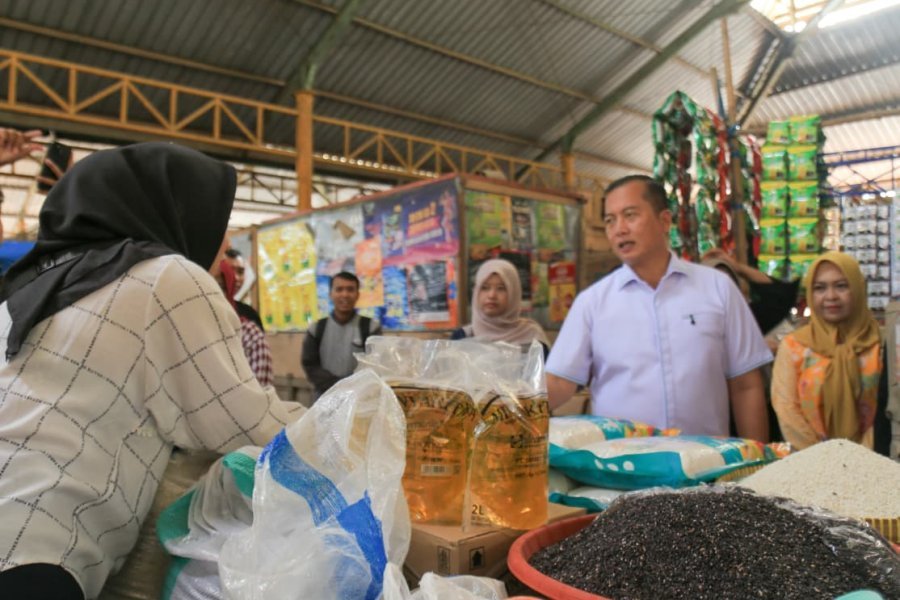
    Lombok Zone – As Ramadan approaches in 2026, the Mataram City Government, through its Trade Office (Disdag), is urging citizens to avoid panic buying. This advisory comes in light of rising prices for essential goods in local markets, particularly chili peppers, which have surged to Rp170,000 per kilogram.

    Irwan Harimansyah, the head of Disdag Mataram, reassured residents that the supply of basic goods remains stable and adequate.

    “We encourage the community to shop based on their actual needs and resist the urge to over-purchase. The recent price hikes are still subject to fluctuations,” he stated on Monday, February 23, 2026.

    According to Harimansyah, the sharp increase in chili prices is primarily due to high demand not being met by local supply in Mataram. Although there are sufficient stocks from surrounding areas, such as West Lombok and East Lombok, distribution has not been optimized.

    “We are planning to bring in additional supplies from producing regions outside of NTB, including Bali and Java,” he added.

    In addition to chili peppers, other commodities have also seen price increases. Beef is now priced between Rp145,000 and Rp150,000 per kilogram, up from the normal range of Rp125,000 to Rp135,000. Chicken prices have risen to Rp42,000–Rp44,000 per kilogram, while the price of medium-sized eggs has gone from Rp58,000 to Rp60,000 per tray. On the other hand, the prices for large and curly chili peppers have remained stable at around Rp30,000 per kilogram.

    To curb further price hikes that could strain consumers, the Disdag of Mataram is enhancing coordination with the Provincial Trade Office, Bulog, Bank Indonesia, distributors, and the Food Task Force.

    “The government is also preparing for community markets, affordable markets, and the Cheap Food Movement (GPM) as intervention measures to ensure that the prices and supply of essential goods remain controlled throughout Ramadan,” he explained.

  • Gubernur NTB Serukan Syukur Menyambut Ramadan 1447 Hijriah

    Gubernur NTB Serukan Syukur Menyambut Ramadan 1447 Hijriah

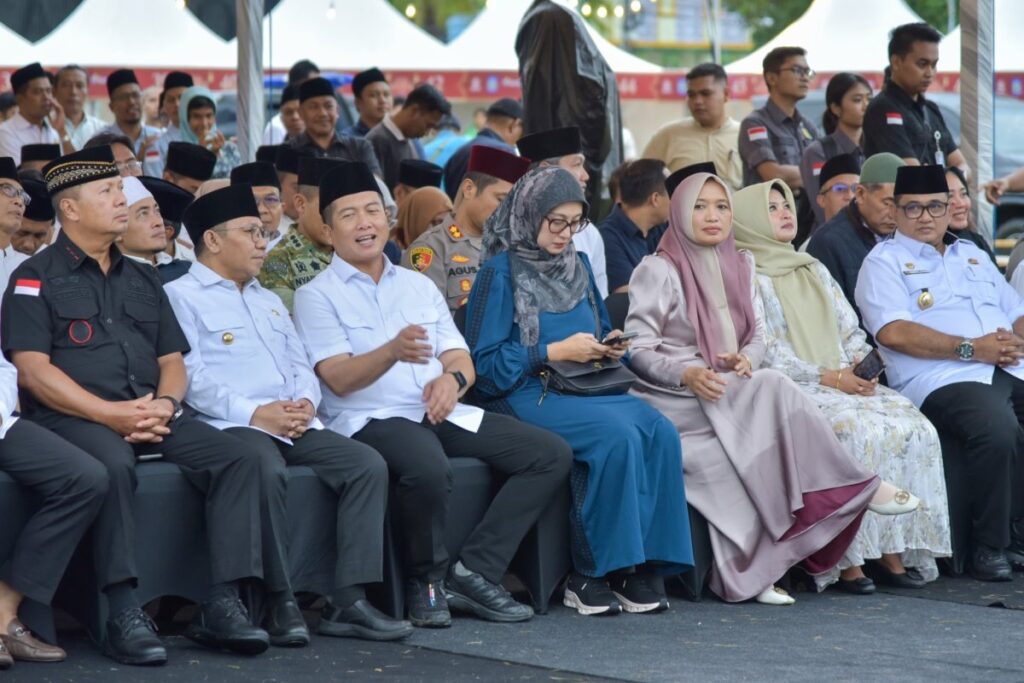
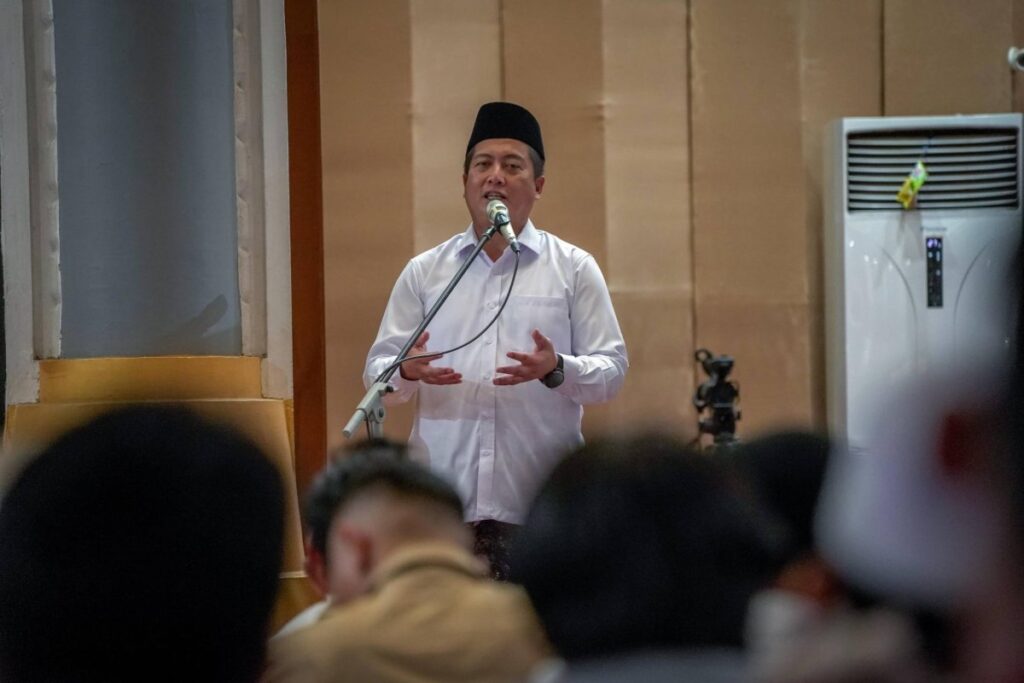
    Lombok Zone – Di penghujung bulan Sya’ban menuju awal Ramadan 1447 Hijriah, Gubernur Nusa Tenggara Barat, Lalu Muhamad Iqbal, mengajak segenap masyarakat untuk mensyukuri momen berharga ini. Ajakan gubernur disampaikan saat melaksanakan Salat Tarawih perdana yang diadakan di Masjid Hubbul Wathan Islamic Center pada Rabu malam, 18 Februari.

    Dalam sambutannya, Lalu Iqbal menekankan bahwa tidak semua orang memiliki kesempatan untuk merayakan Ramadan tahun ini, meskipun mereka sangat mendambakannya. “Banyak saudara dan sahabat kita yang harus merelakan hadir di masjid malam ini akibat sakit atau uzur. Karena itu, kita patut bersyukur atas kesempatan ini,” ujarnya.

    Gubernur menambahkan, pertemuan dengan bulan suci merupakan karunia luar biasa yang senantiasa dijadikan doa oleh umat. “Tahun lalu kita meminta agar Tuhan mempertemukan kita kembali dengan Ramadan. Malam ini, Allah mengabulkan doa tersebut, dan ini merupakan sebuah nikmat,” ucapnya.

    Dalam kesempatan tersebut, ia juga mengajak para jamaah untuk menjalani ibadah puasa dengan iman dan keyakinan. “Mari kita hadapi Ramadan dengan penuh keimanan. Ibadah ini merupakan perintah Allah dan tentunya membawa kebaikan bagi jiwa dan raga kita,” tambahnya.

    Gubernur juga merespons pelantikan pengurus baru Masjid Hubbul Wathan Islamic Center serta Lembaga Pengembangan Tilawatil Quran (LPTQ) Provinsi NTB. Ia berharap hal ini dapat memperkuat pembinaan agama di daerah. “Kami doakan para pengurus baru ini diberi kemudahan dalam memakmurkan masjid dan melahirkan generasi Qurani di Nusa Tenggara Barat,” jelasnya.

    Sejak pelaksanaan Salat Isya dan Tarawih, ribuan jamaah sudah memadati masjid terbesar di NTB tersebut. Antusiasme masyarakat yang tinggi ini menandakan sambutan hangat terhadap bulan suci Ramadan.