Tag: Community Development

  • Strategic Development in East Lombok: A Vision for Economic Growth

    Strategic Development in East Lombok: A Vision for Economic Growth

    East Lombok’s Vital Role in NTB’s Development

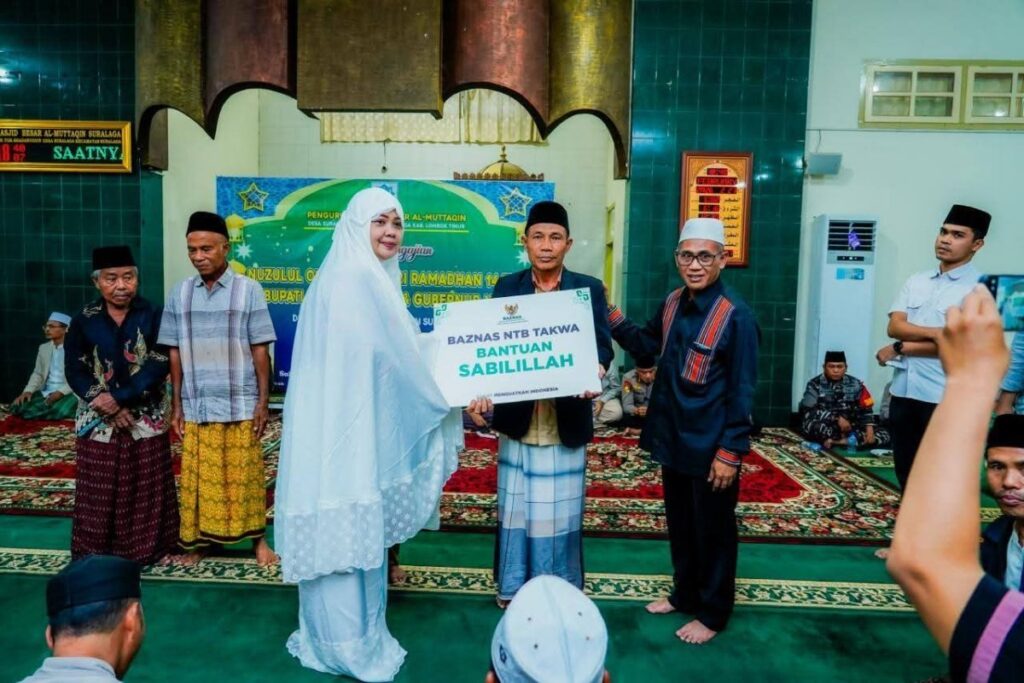
    Lombok Zone – The Governor of West Nusa Tenggara (NTB), Lalu Muhamad Iqbal, recently emphasized the strategic importance of East Lombok in the provincial development agenda. With a population nearing 1.5 million, representing almost a quarter of NTB’s total population of 5.7 million, East Lombok is seen as a crucial player in accelerating regional economic growth. This statement was made during the Ramadan Safari event at Al-Muttaqin Mosque in Suralaga, East Lombok, on Friday, February 27.

    Governor Iqbal pointed out that East Lombok boasts diverse geographical features, from mountainous areas to coastal regions, rich in agricultural and fisheries potential. Over the next four to five years, these resources will be systematically developed to ensure that East Lombok gains wider recognition, alongside significant advancements in local prosperity.

    Infrastructure and Educational Initiatives

    “If a majority of East Lombok’s residents are economically productive and robust, the regional and provincial income will rise significantly,” stated Governor Iqbal. A key focus since the onset of development has been the improvement of infrastructure, particularly the crucial roads that have remained neglected for 11 years, with repairs scheduled to start in 2025. Adequate infrastructure is viewed as the foundation for harnessing the region’s full potential.

    In the education sector, the construction of schools, including religious and vocational institutions, is ramping up. East Lombok is recognized as one of the regions with the highest number of educational establishments in NTB. Additionally, the government is implementing the Fisherman Village program aimed at bolstering the maritime and fisheries sector. The first successful Fisherman Village is located in Ekas, East Lombok, and there are plans to propose up to 40 new fisherman villages, with a significant number allocated to East Lombok.

    Empowering the Youth through Education

    Governor Iqbal also highlighted the progress of the People’s School initiative currently underway in East Lombok, West Lombok, and Sumbawa. Although this program is temporarily structured, it has already made a tangible difference, especially for children from extremely poor families. The People’s School accommodates children who have often never experienced formal education. After engaging in the program, significant changes are observed in their attitudes, motivation, and confidence levels.

    “This is evidence that education with the right approach can transform our children’s futures,” asserted Governor Iqbal. Looking ahead, the focus will not only be on strengthening the curriculum but also on adopting more humane and character-based teaching methods. Developing human resources is described as a collective responsibility, providing space for innovation in each school.

    Inclusive Education and Local Content Development

    Currently, the Central Government, alongside Provincial and District/City administrations, is restructuring the education system for greater inclusivity. Programs for the rehabilitation and digitalization of schools, as well as Operational School Assistance (BOS), will no longer differentiate between public and private schools, as long as they meet administrative requirements and actively offer educational services. Furthermore, the development of local content is gaining attention, as character and culture-based materials can reinforce identity and adapt learning to the community’s social realities.

    The government is also in the process of establishing an Education Council to enhance the management of education in NTB. With strong support from the Central Government and solid cross-regional coordination, coupled with the significant potential of East Lombok, NTB is optimistic about fostering a progressive, independent, and competitive society. “We want education in NTB to be non-discriminatory, based on local character, and managed with robust governance. With the synergy of all parties, God willing, NTB will continue to advance and become more competitive,” concluded Governor Iqbal.

    Notable attendees at the event included NTB Deputy Governor Indah Dhamayanti Putri, East Lombok Regent Haerul Warisin, and heads of relevant local government departments from both the Provincial and East Lombok administrations.

  • Taman Ayu Village: A Focus for NTB’s Empowerment Program

    Taman Ayu Village: A Focus for NTB’s Empowerment Program

    Lombok Zone – The village of Taman Ayu in the Gerung District has recently become a focal point in the West Nusa Tenggara (NTB) provincial government’s “Empowered Village” initiative. This area, rich in unique geographical traits, boasts significant tourism potential but faces a variety of complex economic and environmental challenges.

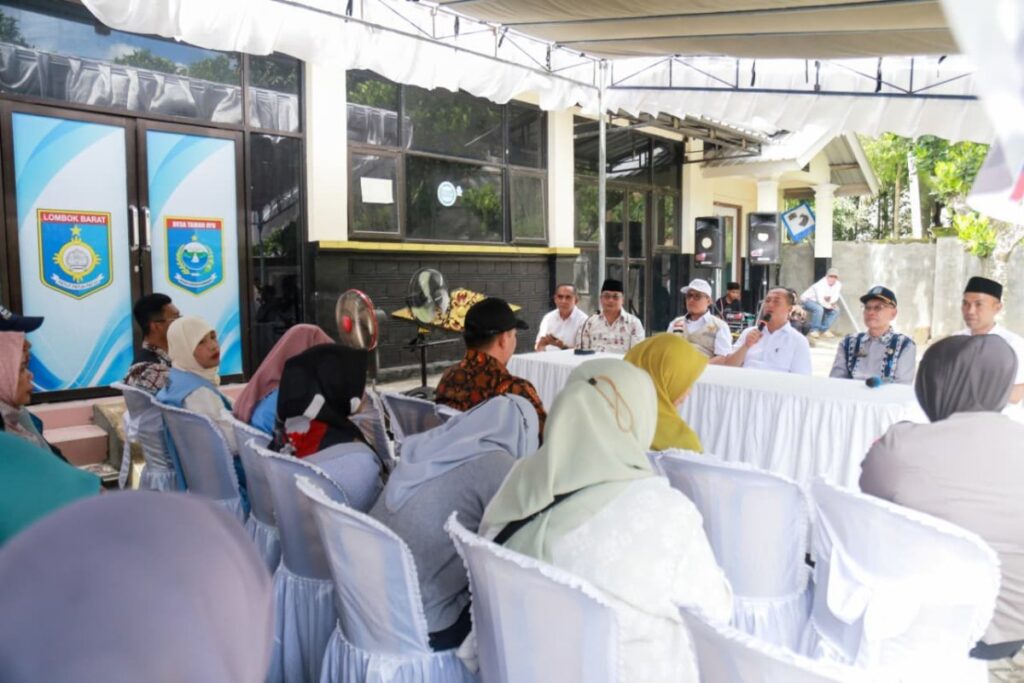
    During his visit on Thursday, February 26, 2026, NTB Governor Lalu Muhamad Iqbal emphasized that addressing poverty in Taman Ayu requires a comprehensive approach rather than piecemeal solutions. He introduced the concept of “Orchestration and Collaboration” to unify various existing programs that previously operated in isolation.

    “Poverty is a multifaceted phenomenon. We cannot tackle just one aspect, like waste management or disaster relief, and expect to eradicate poverty completely. All stakeholders — from the provincial and district levels to villages and private sectors — must work harmoniously together,” he asserted.

    Governor Iqbal detailed initial steps, which included verifying extreme poverty data. Out of an estimated 7,000 individuals, the actual number verified by supporting teams was found to be around 4,000.

    To tackle these issues, the provincial government has developed two intervention schemes:

    • Village Level: An allocation of approximately Rp 500 million aimed at strengthening village infrastructure and harnessing local potential.
    • Family Level: Direct interventions aimed at meeting the needs of targeted households.

    “Our focus is on food security and tourism. I urge village assistants not to start from scratch but to gather the existing pieces from programs like PKH or previous village initiatives,” he added.

    On the other hand, Taman Ayu’s village chief, Muhammad Tajudin, shared insights about the village’s geography, bordered by two major rivers, the Babak and Dodokan, and adjacent to the sea on the west and mountains on the east. Despite its natural beauty, each hamlet within Taman Ayu possesses a wealth of artistic traditions, including Wayang, Gamelan, Gendang Beleq, and weaving.

    However, Tajudin expressed deep concern over severe coastal erosion that has claimed approximately 70 hectares of beachfront, affecting 10 to 20 hectares of private land. “The erosion is drastic, shaping a crescent-like pattern when viewed on the Lombok map. We have communicated with the provincial authorities, but the costs of building a breakwater are substantial. Even the previously planted pine trees and existing groins have been swept away by the sea,” he explained.

    In addition to erosion, air pollution from the material trucks and coal dust around the PLTU site, along with garbage odors, pose challenges that undermine the appeal of this beautiful village.

    In line with the governor’s vision, Chief Tajudin noted their focus on addressing poverty among the most vulnerable groups. Taman Ayu has now established formal structures, including a Disability Forum and an Equal School Forum for women to ensure these groups remain empowered and included in the development process.

    The visit concluded with a lively discussion involving the Governor, provincial OPD officials, West Lombok government representatives, and local residents to formulate concrete steps to address coastal erosion and capitalize on Taman Ayu’s tourism potential as a catalyst for local economic growth.