
Tag: conservation

  • NTB Government Establishes Saleh Bay as Conservation Area

    NTB Government Establishes Saleh Bay as Conservation Area

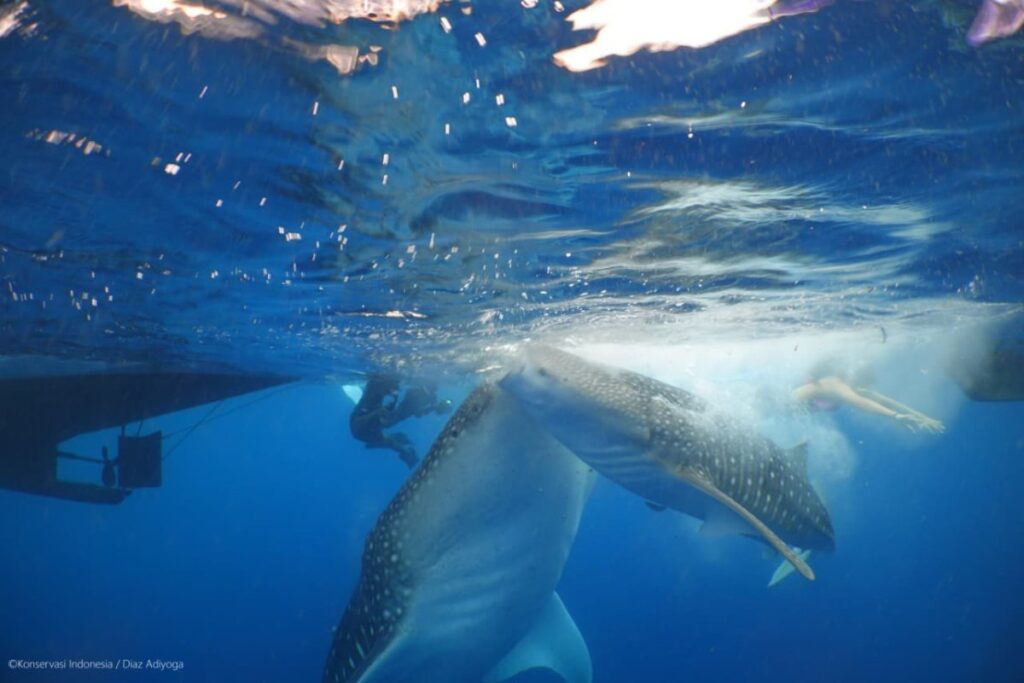
    Lombok Zone – The government of West Nusa Tenggara (NTB) has taken a significant step by designating Saleh Bay as a conservation area, aiming to guide tourism development towards ecosystem protection rather than short-term exploitation.

    This new policy is outlined in West Nusa Tenggara Governor’s Decree No. 100.3.3.1-196 of 2026 regarding the Reservation of Conservation Areas and the Protection of Whale Sharks in Saleh Bay Waters.

    This designation reflects a shift in development strategy, prioritizing conservation as the foundational element while allowing economic and tourism activities to align with environmental capacity limits.

    Dr. H. Ahsanul Khalik, the Head of the NTB Communication, Informatics, and Statistics Office, as well as the Spokesperson for the NTB Provincial Government, emphasized that this initiative is part of the government’s commitment to sustainable development that leverages ecosystem strengths.

    “Saleh Bay is not developed through exploitation but through the protection of its ecosystem. That’s where its competitiveness and sustainability lie,” he remarked.

    The designated area spans 73,165.05 hectares and is reserved as a species-based conservation zone, protecting the habitat of whale sharks (Rhincodon typus), including feeding areas, growth zones, and natural migration routes throughout the year.

    This governor’s policy asserts that all development plans, including tourism feasibility studies, must adhere to the established conservation principles. Dr. Khalik, often called Aka, stated, “Feasibility studies must follow the conservation policy direction, not the other way around.”

    This approach ensures that development in the area does not compromise the ecosystem, but instead leverages it as the primary strength in creating sustainable economic value.

    The NTB Provincial Government believes that this step will provide a clear direction for investment while maintaining a balance between environmental preservation and the welfare of coastal communities.

    With a strong conservation foundation, Saleh Bay is positioned to become an ecosystem-based tourism destination that is not only competitive on a global scale but also resilient in the long run, he concluded.

  • Rare Mangrove Species Found on Nanga Sira Island, Sumbawa

    Rare Mangrove Species Found on Nanga Sira Island, Sumbawa

    In the lush expanse of Nanga Sira Island, located in the village of Penyaring, North Moyo, Sumbawa, two rare species of mangrove have been identified, underscoring the island’s ecological significance. The species, Ceriops decandra and Scyphiphora hydrophyllacea, are among the 14 rare mangrove varieties found worldwide.

    Hermawan Some, a representative from the Zero Waste Community, who led the identification process in June 2025, highlighted the pressing need for conservation efforts to preserve these unique ecosystems. “Conservation efforts are essential to ensure these rare species continue to thrive,” he emphasized.

    These mangroves play a crucial role in maintaining ecological balance, serving as natural barriers against coastal erosion and providing critical habitats for various marine species. The presence of such rare species in Sumbawa highlights the region’s biodiversity and the need for urgent protective measures.

    Conservationists and local authorities are being urged to collaborate on strategies that would safeguard these rare mangroves from threats such as deforestation, pollution, and climate change. Initiatives may include establishing protected areas, promoting sustainable tourism, and engaging local communities in conservation efforts.

    The discovery of these rare mangroves also presents an opportunity for scientific research, which could provide further insights into the ecological roles and potential benefits of these species. Such research could foster a better understanding of how to protect and sustainably manage these vital ecosystems.