Tag: environment

  • Strengthening Environmental Commitment: Indonesia Asri Program Launched in Bima

    Strengthening Environmental Commitment: Indonesia Asri Program Launched in Bima

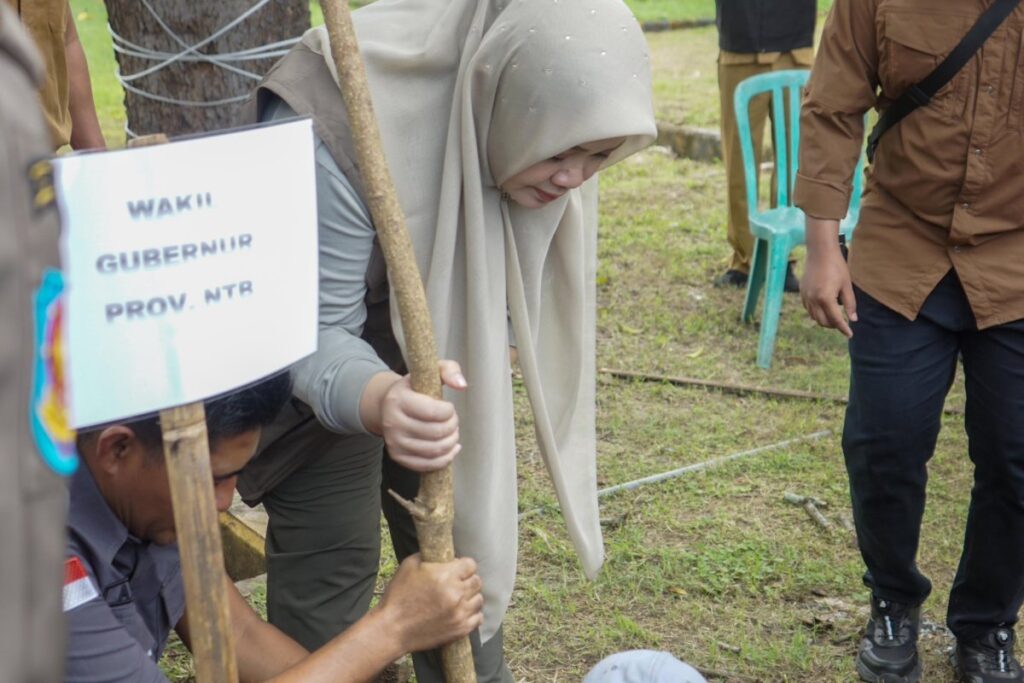
    Lombok Zone – In a bid to tackle waste management challenges and promote sustainable living, the Vice Governor of West Nusa Tenggara (NTB), Indah Dhamayanti Putri, held a readiness rally for the Indonesia Asri and NTB Asri Berkelanjutan programs at the Bima City Mayor’s Office on Monday, March 2.

    This event serves as a reaffirmation of the collective commitment to enhance environmental quality and address ongoing waste issues. During her address, Vice Governor Dinda emphasized that the Indonesia Asri movement is part of a national directive aimed at revitalizing the spirit of mutual cooperation to achieve a clean and healthy environment.

    “Waste management can no longer rely on traditional methods of collecting, transporting, and disposing of waste. We must transition to an integrated system that starts from the source to the final processing facility,” stated Vice Governor Dinda.

    The NTB provincial government recognizes that waste management remains a shared challenge. Of the ten landfills in NTB, only a portion currently employs a controlled system, while the rest require further organization. This represents a significant task that must be accomplished gradually, with measurable and sustainable steps.

    Additionally, improving the Environmental Quality Index (IKLH) is also a priority. By 2025, the IKLH for NTB is projected to reach 77.4, categorized as good but still below the national target. “Parameters like air quality, water quality, and land cover are focal points for improvement, which will be driven by consistent reforestation and greening initiatives,” she added.

    “The Indonesia Asri and NTB Asri Berkelanjutan movements are not just ceremonial; they call for real action. Waste management must begin at the source and be executed systematically and measurably,” emphasized Vice Governor Dinda.

    In a demonstration of commitment, the rally included a tree-planting ceremony in front of the Bima Mayor’s Office, where a pule tree was planted. This act symbolizes the shared dedication towards enhancing greening efforts and maintaining environmental balance in urban areas.

    “We intend to use Ramadan as an opportunity to solidify our commitment to environmental care. Today’s tree planting serves as a reminder that change begins with small steps, but these steps must be taken consistently and collectively,” she continued.

    The government is encouraging all stakeholders, including local authorities, businesses, schools, religious institutions, and community organizations, to participate in making this movement a sustainable collective effort.

    “Without a healthy environment, development will lack a solid foundation. Therefore, let us work together towards a clean, green, and sustainable NTB for future generations,” concluded Vice Governor Dinda.

  • Rare Mangrove Species Found on Nanga Sira Island, Sumbawa

    Rare Mangrove Species Found on Nanga Sira Island, Sumbawa

    In the lush expanse of Nanga Sira Island, located in the village of Penyaring, North Moyo, Sumbawa, two rare species of mangrove have been identified, underscoring the island’s ecological significance. The species, Ceriops decandra and Scyphiphora hydrophyllacea, are among the 14 rare mangrove varieties found worldwide.

    Hermawan Some, a representative from the Zero Waste Community, who led the identification process in June 2025, highlighted the pressing need for conservation efforts to preserve these unique ecosystems. “Conservation efforts are essential to ensure these rare species continue to thrive,” he emphasized.

    These mangroves play a crucial role in maintaining ecological balance, serving as natural barriers against coastal erosion and providing critical habitats for various marine species. The presence of such rare species in Sumbawa highlights the region’s biodiversity and the need for urgent protective measures.

    Conservationists and local authorities are being urged to collaborate on strategies that would safeguard these rare mangroves from threats such as deforestation, pollution, and climate change. Initiatives may include establishing protected areas, promoting sustainable tourism, and engaging local communities in conservation efforts.

    The discovery of these rare mangroves also presents an opportunity for scientific research, which could provide further insights into the ecological roles and potential benefits of these species. Such research could foster a better understanding of how to protect and sustainably manage these vital ecosystems.

  • Mataram Enhances Waste Management with New Incinerator Initiative

    Mataram Enhances Waste Management with New Incinerator Initiative

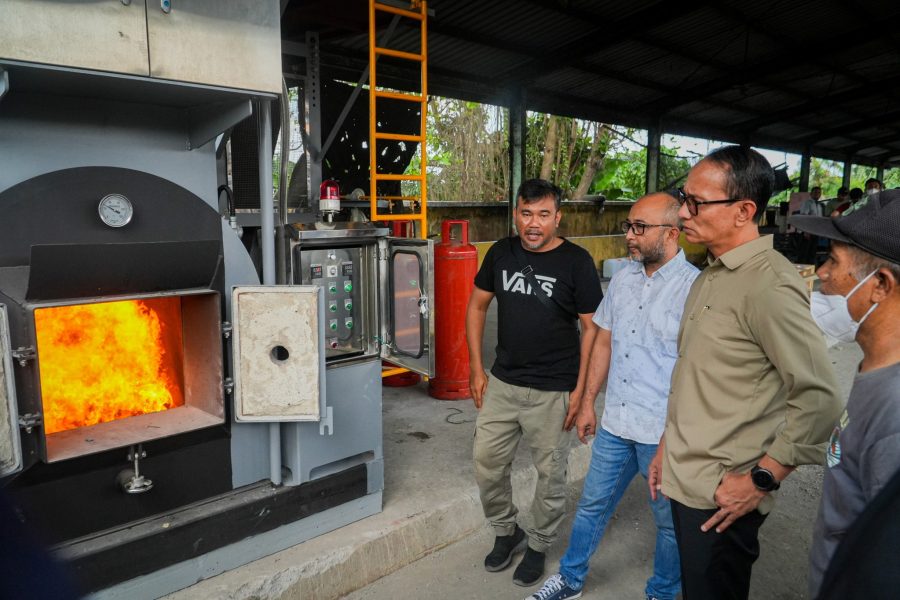
    In an effort to improve waste management and reduce reliance on the Kebon Kongok landfill, the Mayor of Mataram, H. Mohan Roliskana, accompanied by the Head of the Environment Agency, H. Nizar Deni Cahyadi, and the Head of Waste Management at Mataram’s Environment Agency, Vidi Partisan Yuris Gamanjaya, inspected the use of an incinerator at the Sandubaya Temporary Waste Disposal Site on Wednesday, September 3, 2025. This initiative underscores the Mataram City Government’s commitment to finding sustainable solutions for waste management.

    The incinerator, donated by the West Nusa Tenggara Provincial Government and originating from South Korea, has the capacity to burn 5 tons of waste every 8 hours, or one shift. Plans are underway to operate the machine in two shifts daily, allowing it to process up to 10 tons of waste per day.

    “This tool is very helpful and has been tested. It will continue to be trialed until it reaches its maximum capacity of 10 tons per day,” the mayor remarked during the trial process.

    The introduction of this incinerator is seen as a solution to decrease dependency on the limited Kebon Kongoq landfill and to cut operational costs of dump trucks by approximately 76 million rupiah annually. At the Sandubaya site, three incinerator units are expected to operate. These include one unit from the H Moh Ruslan Hospital, and Mataram plans to purchase an additional unit with the same capacity.

    “In total, there will be three machines at this site, managing 30 tons daily. Combined with the Sandubaya TPST, which processes 50 tons daily, we can handle 80 tons of the 200 tons generated daily by Mataram,” he explained.

    The use of these incinerators has been approved by the Indonesian Ministry of Environment, confirming they meet air quality standards. In the future, the Mataram City Government plans to purchase a larger incinerator with a 100-ton capacity and aims to involve citizens in waste management through the ‘Tempah Dedoro Organik’ program, encouraging them to participate in organic waste management from the source to the end.