Tag: inflation

  • Nusa Tenggara Barat’s Economic Performance Shows Positive Trends

    Nusa Tenggara Barat’s Economic Performance Shows Positive Trends

    Significant Growth in Exports and Tourism

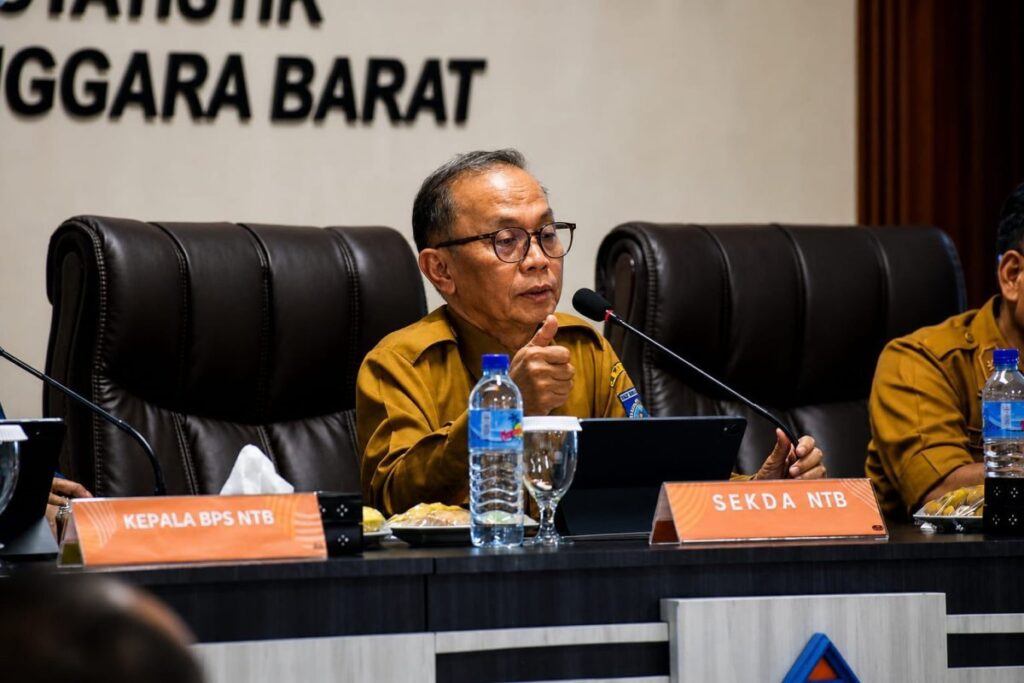
    Lombok Zone – The economy of Nusa Tenggara Barat (NTB) is on an upward trajectory, highlighted by impressive export figures, a surge in tourist visits, and controlled inflation rates. This encouraging news was shared by Dr. Drs. Wahyudin, MM, the Head of the NTB Central Statistics Agency (BPS), in the official statistical report released on Monday, May 4, 2026.

    According to BPS, NTB’s export value reached approximately $567.57 million in March 2026, representing an astonishing increase of 9,162.68% compared to the same month the previous year. Cumulatively, from January to March 2026, exports amounted to $707.92 million, marking a significant rise from the previous year. This remarkable growth is primarily driven by exports in key commodities, particularly from the mining and copper processing sectors.

    “This rise in exports is a strong indicator that NTB’s economic activities are progressing rapidly, especially in resources and industry,” explained Wahyudin.

    Tourism Boom Amid Festive Season

    NTB’s tourism sector is also experiencing a positive upturn. In March 2026, the number of foreign tourists arriving at Lombok International Airport reached 6,428, reflecting a 24.72% increase from the previous month. Domestic tourist visits surged as well, reaching 1.39 million, up 34.64% month-on-month.

    The demand for hotel accommodations has also risen, with star-rated hotels hosting around 87,816 guests, while non-star hotels welcomed 110,249 visitors. This increase is largely attributed to the holiday season surrounding Ramadan and Eid al-Fitr, which has amplified community mobility.

    Transportation Growth Indicates Economic Activity

    Passenger transport figures have seen a noteworthy rise, with domestic air travel increasing by 44.58% and sea transport by 39.84% compared to the previous month. These statistics indicate a greater level of economic activity and mobility among the residents of NTB.

    Stable Inflation Amid Economic Growth

    As for inflation, NTB recorded a year-on-year rate of 3.27% in April 2026, suggesting that prices are still under control. Interestingly, there was a month-on-month deflation of 0.11%, largely driven by a drop in the prices of several food commodities, including chili, chicken meat, and vegetables, following a post-harvest supply boost.

    “The inflation rate remains well-managed, and the monthly deflation demonstrates price stability against a backdrop of rising economic activity,” Wahyudin noted.

    Encouraging Trends in Agriculture

    In the agricultural sector, the Farmer’s Exchange Rate (NTP) for April 2026 was recorded at 128.00, indicating that farmers’ purchasing power remains strong, albeit slightly lower than the previous month.

    Overall, BPS views the economic performance of NTB at the beginning of 2026 as promising, backed by robust export activities, increased tourism, and stable pricing. “This lays a crucial foundation for future economic growth in NTB, though it is vital to maintain a balance between growth and public purchasing power,” Wahyudin concluded.

  • Governor Ensures Affordable Prices During Ramadan in NTB

    Governor Ensures Affordable Prices During Ramadan in NTB

    Lombok Zone – As the holy month of Ramadan approaches, the Governor of West Nusa Tenggara, Dr. H. Lalu Muhamad Iqbal, is taking proactive measures to ensure that essential goods remain affordable and that the food supply is stable. His efforts were evident during a working visit and community engagement on February 26, 2026, in West Lombok.

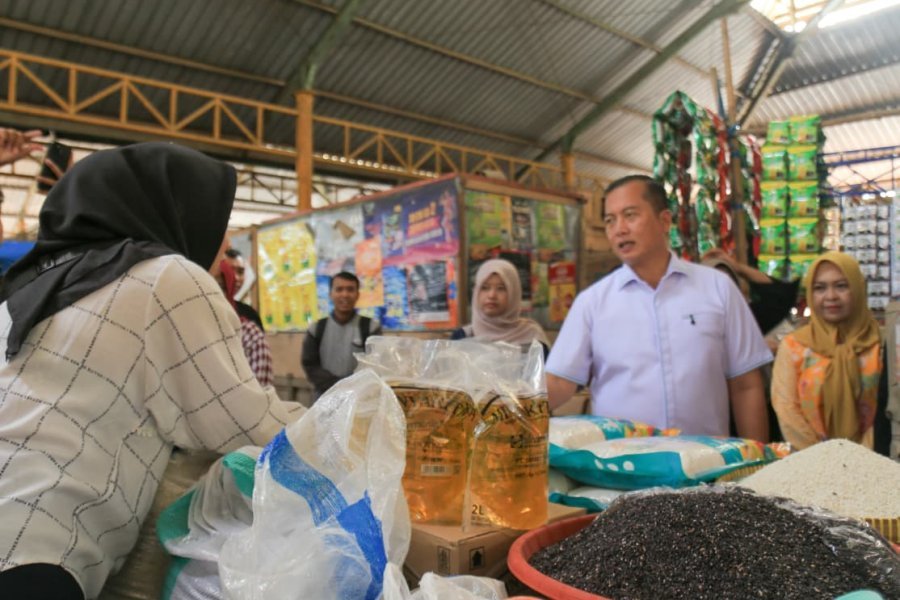
    During his visit to Gerung Market, the Governor, affectionately known as Miq Iqbal, engaged with local vendors and shoppers while closely monitoring the prices of basic commodities. He noted that inflation in certain areas was largely driven by spikes in chili prices across three districts: East Lombok, Central Lombok, and West Lombok.

    “Inflation has risen due to increasing chili prices in these regions. Interestingly, even within a single market, price discrepancies can occur. I have spoken with enumerators to ensure they record the lowest prices available,” the Governor stated.

    He clarified that the prices for meat generally remained in line with reference prices, although there was a slight increase in chicken prices due to rising costs at the supplier level.

    “Fortunately, the prices for meat are still consistent with reference points. Chicken prices have seen a minor increase due to the rising cost of live chickens. We will coordinate with suppliers and relevant parties to ensure smooth distribution,” he emphasized.

    The Governor also reassured the public that prices for cooking oil, rice, and onions remain under control. However, the price increases for chili are affected by seasonal factors and unpredictable weather conditions, leading to crop failures in several areas.

    “Chili is not a commodity that can be directly intervened with like rice, cooking oil, and sugar. Its price mechanism is heavily influenced by supply and demand, especially since many farmers are facing crop failures due to weather challenges,” he explained.

    Despite these challenges, the provincial government continues to work on stabilizing the market. They are encouraging distributors and business operators to source supplies from outside the region and are providing subsidies for transportation costs.

    “We have urged distributors from Central Lombok and East Lombok to procure supplies from other areas. We are even offering free transportation support for trucks moving goods from Java to NTB through the Food Agency, aiming to keep prices accessible for the community,” the Governor added.

    To further assist residents, the NTB Provincial Government is organizing affordable basic goods markets at various locations throughout Ramadan.

    “Our goal is to ensure that the community can observe Ramadan peacefully, without worrying about rising prices for essential items,” concluded the Governor.

    The NTB Provincial Government will continue to monitor price developments and take swift, measured actions to maintain the stability of supply and price affordability for all residents.

  • Mendagri Emphasizes Regional Strategy for Inflation Control in 2025

    Mendagri Emphasizes Regional Strategy for Inflation Control in 2025

    Mataram – In response to evolving economic conditions, regional governments in Indonesia are urged to collaborate effectively and devise precise strategies to manage inflation in 2025. This was emphasized by the Minister of Home Affairs, Tito Karnavian, during a coordination meeting organized virtually by the Ministry of Home Affairs on Tuesday, September 2, 2025.

    The meeting was attended by several national officials, including the Coordinating Minister for Food Affairs, Zulkifli Hasan; the Head of the Presidential Office, AM Putranto; the Head of the Presidential Communication Office, Hasan Nasbi; the Head of the Central Statistics Agency (BPS), Amalia Adininggar Widyasanti; and the Head of the National Food Agency, H. Arief Prasetyo Ad. Minister Tito Karnavian urged regional leaders to focus on initiatives that directly address public needs, such as the distribution of rice through the Stabilization of Supply and Food Prices (SPHP) program, conducting affordable market operations, and implementing programs that help stabilize basic commodity prices.

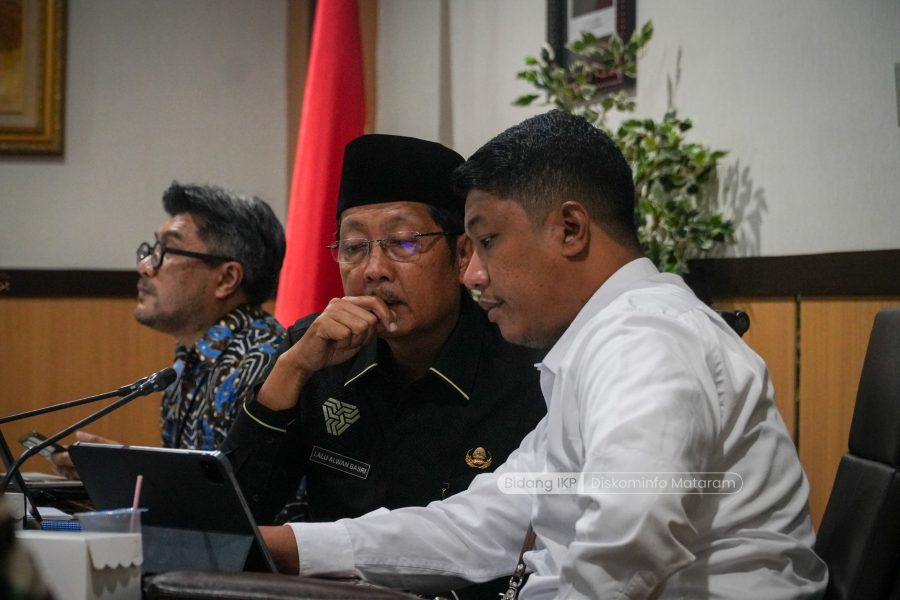
    H. Lalu Alwan Basri, the Regional Secretary of Mataram City, along with Mohammad Reza Nugraha, the Head of the Mataram City Central Statistics Agency, and Andhi Wahyu Riyadno, Deputy Head of the Bank Indonesia Representative Office in West Nusa Tenggara, participated in the meeting from the Kenari Room of the Mataram Mayor’s Office. The officials paid close attention to the Minister’s directives regarding the current national economic situation and strategies for inflation control in 2025.

    The coordination meeting, which included governors, regents, and mayors from across Indonesia, saw Minister Tito Karnavian stress the importance of regional leaders being attuned to the ongoing societal conditions, which are deemed not yet fully stable. He advised local governments to avoid excessive ceremonial activities that could potentially cause public unrest.