Tag: Local Government

  • Lombok Tengah Official Highlights Villa Construction as Flood Trigger

    Lombok Tengah Official Highlights Villa Construction as Flood Trigger

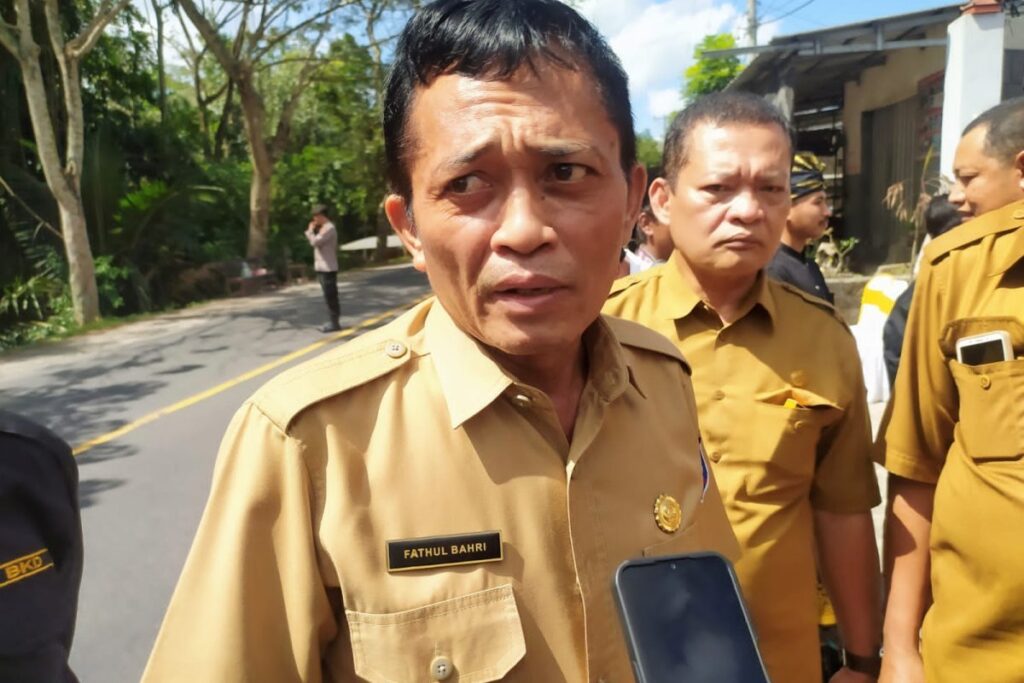
    Lombok Zone – On February 24, 2026, Lalu Pathul Bahri, the Regent of Lombok Tengah, raised concerns regarding the surge in villa constructions on the hills, particularly in Kuta Village, Pujut District. He pointed to these developments as a significant factor contributing to the flooding in the Mandalika Special Economic Zone.

    Pathul shared preliminary analyses indicating that sedimentation caused by soil erosion from the hills was a primary cause of the flooding. This erosion has led to excessive water flow, overwhelming local residential areas.

    “The sedimentation was indeed a trigger for what happened recently. We promptly mobilized teams equipped with heavy machinery to address the issue,” Pathul stated during a meeting in Praya on February 27, 2026.

    The Lombok Tengah government is currently in the process of identifying the owners of the buildings under construction in the Mandalika area. According to Pathul, the majority of these constructions lack the necessary permits from local authorities.

    “The land on these hills belongs to the community, and we are unaware of the transactions for its sale. These foreign investors are also neglecting to secure the required permits. That’s why we intend to call them in for discussions,” he added.

    Pathul expressed frustration as many property owners have disregarded warning letters issued by the local government. He has tasked the Regent’s Expert Staff with conducting a comprehensive data collection.

    Moreover, he acknowledged that the rapid influx of investment in Lombok Tengah has fueled the construction boom, but the government is keen to prevent a situation that could lead to long-term disasters.

    The recent flooding has also been exacerbated by six consecutive days of heavy rainfall. According to reports from the Lombok Tengah Government, over 1,500 residents have been affected, with some needing to evacuate.

    The local government has deployed personnel as part of a task force to expedite flood response efforts, including clearing fallen timber that has obstructed access for residents.

  • NTB Governor Engages with Extreme Poverty in Sigar Penjalin Village

    NTB Governor Engages with Extreme Poverty in Sigar Penjalin Village

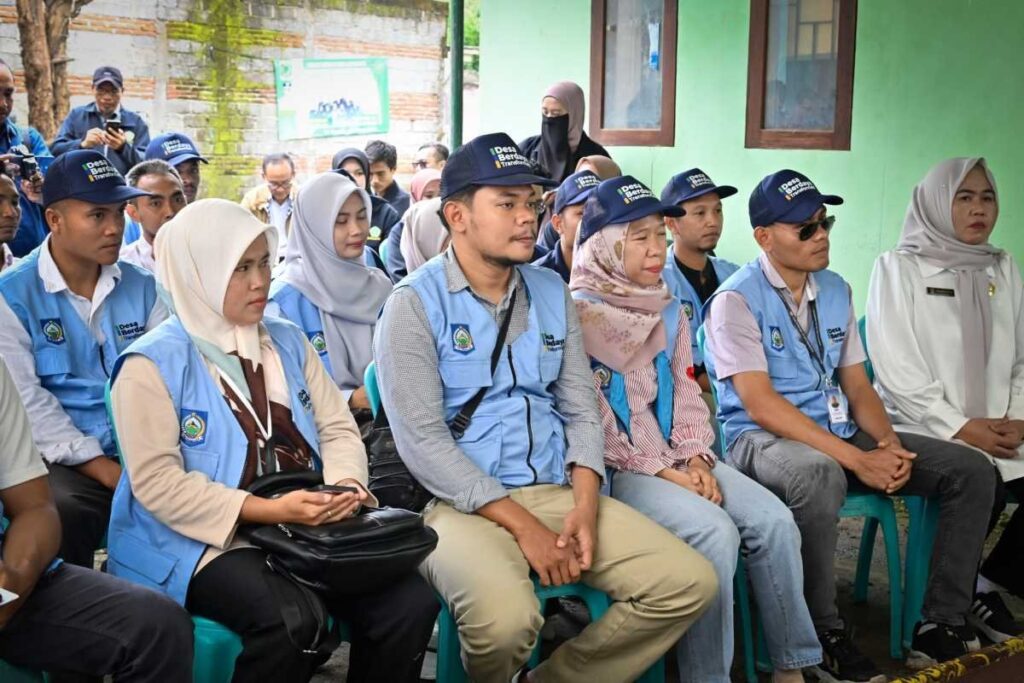
    Lombok Zone – On February 25, 2026, the Governor of West Nusa Tenggara (NTB), Lalu Muhamad Iqbal, visited the impoverished residents of Sigar Penjalin village in North Lombok District. His visit aimed to distribute essential food supplies and cash assistance while checking on the implementation of the Empowered Village Program, designed to combat poverty.

    Sigar Penjalin has been identified as a key area for this initiative. Accompanied by various local government organizations and Baznas NTB, Iqbal personally assessed the living conditions of families, including children facing severe economic hardships.

    During his visit, Iqbal highlighted the significant potential of Sigar Penjalin, strategically positioned near Lombok’s tourist attractions. The area boasts attractions such as Sire Beach, luxury villas, premium hotels, a golf course, and a mini zoo. Despite its potential, extreme poverty persists among some residents.

    “The potential here is immense, but I’ve seen firsthand that many still suffer from dire poverty. Their circumstances are challenging and require collaborative and well-organized intervention,” Iqbal stated.

    Iqbal elaborated on the Empowered Village Program, which will intervene at both the village and family levels. Village facilitators have already pinpointed key issues, including a high number of youth without stable employment.

    The core objective of this program is to ensure that each family has a reliable source of income within a year. “Our goal is for every household to achieve financial independence and stable income in the next year. That’s the essence of tackling poverty,” he explained.

    In addition to economic assistance, the program will address educational issues, waste management, and village spatial planning. This year, the Empowered Village initiative is targeting 40 villages classified as extremely poor.

    Regarding the allocation of the Rp500 million stimulus per village, Iqbal emphasized that spending should be driven by the actual needs of the community. Local governments, along with support teams, are tasked with identifying programs that can effectively boost the local economy.

    “Everything must be based on a bottom-up approach, reflecting the villagers’ own identification of needs. It’s the responsibility of village heads and facilitators to determine what will serve as an economic lever,” he said.

    Moreover, Iqbal noted that support will come not only from the provincial government but also from the central government, local authorities, civil society organizations, and universities.

    Earlier, Iqbal expressed that the Empowered Village Program is a solution-oriented initiative characterized by its collaborative and orchestrated nature. “Don’t think you can solve these village issues alone; it’s impossible,” he emphasized while addressing the village facilitators.

    In closing, Iqbal urged that the presence of village facilitators should be felt by the community, encouraging engagement and consultation with existing support personnel. “You are not designed to solve village problems alone. There are various support systems already in place. Collaborate with them; that is the hallmark of the Empowered Village Program,” he affirmed.

    Zawil Fadli, the head of Sigar Penjalin village, expressed hope for intensive intervention from the NTB provincial government to address extreme poverty in his village, stating, “We hope our impoverished residents can be assisted through empowering programs, so that we can resolve poverty issues in our village as soon as possible.”

  • NTB Government Pushes for Quick Resolution of Mining Permits

    NTB Government Pushes for Quick Resolution of Mining Permits

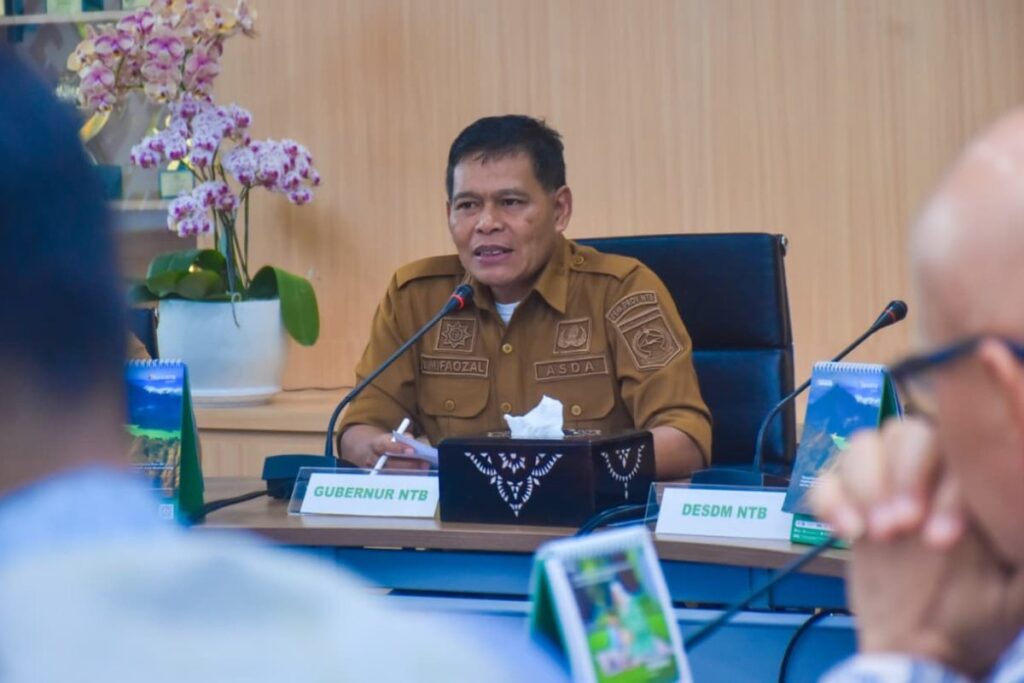
    Lombok Zone – The local government of Nusa Tenggara Barat (NTB) is taking decisive action to expedite the mining permit process for small-scale miners. This initiative was highlighted during a Focus Group Discussion (FGD) held on February 24, 2026, at the Bank NTB Syariah building. Representing NTB’s Governor, the Regional Secretary H. Lalu Moh. Faozal emphasized the critical need to accelerate the issuance of Mining Permits (Izin Pertambangan Rakyat, IPR) as a way to combat the prevalence of illegal mining and address the decline in regional revenue.

    He pointed out that NTB’s fiscal situation is currently under stress due to a significant cut in the Transfer to Regions (TKD) fund by the central government, amounting to IDR 1.2 trillion. “The potential of IPR can be a lifesaver for NTB in terms of local revenue. We contribute significantly to the national economy, but our fiscal health is not in good shape,” he stated.

    Despite having received 16 IPR proposals, only one location has successfully moved forward as a pilot project, situated in Selanong, Bukit Mas Bangket. However, there are still technical challenges related to post-mining reclamation and the readiness of mining cooperatives’ administrative matters that need to be resolved.

    One of the main obstacles identified is the differing interpretations of regulations among three sectors: Energy and Mineral Resources (ESDM), Environment (LHK), and Cooperatives. This lack of synchronization is perceived to potentially create legal loopholes.

    “We do not want the local government to become merely a ‘student’ of law enforcement agencies subsequently due to misinterpretations of regulations. That is why we invited the police and prosecutors to supervise this process to ensure transparency and accountability,” he asserted.

    During the FGD, the NTB government outlined four strategic steps: identifying mining management issues, formulating a transparent legalization strategy, promoting cross-sectoral synergies (central and regional government, law enforcement), and developing sustainable policy recommendations.

    This initiative is also expected to accelerate discussions on the regional legislative initiative concerning mining. Interestingly, NTB’s commitment to regulating IPR has drawn national attention, as evidenced by a recent study visit from the Gorontalo provincial government.

    “The community has been waiting. We can no longer postpone. The swift implementation of regulations is key to transforming illegal mining into a legal sector that benefits the people,” he concluded.

    Earlier, the Head of the NTB Energy and Mineral Resources Office, Samsudin, provided an update on the progress of IPR in the region. He revealed that out of the 16 proposals received, only one has advanced as a pilot project, located in Bukit Selonong, Sumbawa. However, he acknowledged that its operations are still far from optimal.

    “The project in Selonong is a dummy, but on the ground, we are still facing environmental issues related to post-mining reclamation and unresolved internal cooperative administrative issues,” he explained further.

    The ESDM head highlighted the ‘conflict’ of regulations among the three key sectors: ESDM, Environment, and Cooperatives. These differing interpretations of rules have hindered the legalization process, while demands from mining communities continue to rise through various forms of expression.

    In response, they held a strategic FGD to formulate the acceleration of IPR legalization. The main focus is to align cross-sector policies and involve law enforcement agencies to ensure a robust legal framework for the licensing process.

    “We aim to identify current issues and develop policy recommendations that ensure the welfare of the people without neglecting environmental preservation,” he concluded.