Tag: Sumbawa

  • Sumbawa’s Economic Transformation: Key Developments in 2023

    Sumbawa’s Economic Transformation: Key Developments in 2023

    Driving Economic Change in Sumbawa

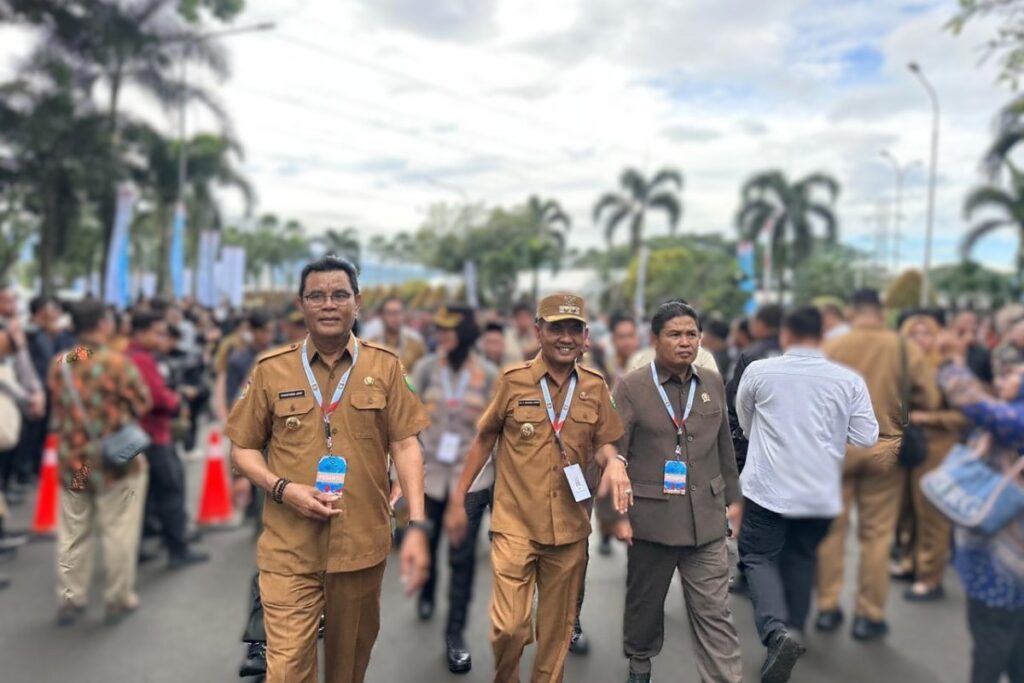
    Lombok Zone – The Sumbawa Regency government is making significant strides in its economic transformation under the flagship Program 05 Jarot–Ansori. This initiative focuses on the industrialization of local products and the boost of strategic investments in the region.

    In partnership with Deputy Regent Drs. H. Mohamad Ansori, Regent Ir. H. Syarafuddin Jarot is committed to enhancing the downstream processes in agriculture, fisheries, and local resources to provide greater economic value to the community.

    Key Progress in the First Year

    During the initial year of their administration, several notable achievements have been secured:

    • Integrated Chicken Downstreaming: The local government has facilitated a significant investment of approximately Rp1.3 trillion for the integrated chicken project in Serading, which has entered the groundbreaking phase. This project aims to strengthen the livestock production chain from upstream to downstream, creating new job opportunities.
    • Development of Salt Industrial Area: In addition to livestock, the government is promoting the salt industry by consolidating around 10,000 hectares of land in the Plampang–Empang region. This sector has an estimated investment potential of Rp2.5 trillion, aiming to position Sumbawa as a national salt production hub.
    • Preparation for National Strategic Aquaculture Project: The local administration has proposed the development of shrimp aquaculture in the Moyo Utara area as part of the National Strategic Project (PSN), with a potential investment of about Rp2.1 trillion. This program is expected to enhance economic growth and competitiveness in the fisheries sector.

    Strengthening Government and Private Sector Synergy

    These investment initiatives are being executed through active collaborations involving the local government, the NTB Provincial Government, and strategic private partners. This approach aims to ensure regulatory certainty, infrastructure support, and sustained investments.

    Policy Review: Shifting from Production to Added Value

    The realization of Program 05 indicates that Sumbawa’s development focus is shifting from merely producing primary commodities to fostering a value-added economy through industrialization.

    This transformation is crucial, as previously, most local commodities were sold in raw form, limiting the economic benefits to the community. By emphasizing downstream processes and industrialization, the anticipated benefits include:

    • Creation of new job opportunities
    • Growth of local processing industries
    • Increased income for farmers, ranchers, and fishermen
    • Enhanced Local Revenue Sources

    From a budgeting perspective, this policy reflects a strategic development approach that doesn’t solely rely on regional budget spending (APBD) but optimizes private investment to drive regional economic growth. As a result, the APBD can be focused on providing essential infrastructure, regulations, and investment facilitation.

    This effort demonstrates that in their first year, the Jarot–Ansori administration has laid the groundwork for a long-term economic transformation aimed at sustainably improving the welfare of the community.

  • Plastic Diet Campaign at Samota CFD, Sumbawa: Reducing Single-Use Plastic

    Plastic Diet Campaign at Samota CFD, Sumbawa: Reducing Single-Use Plastic

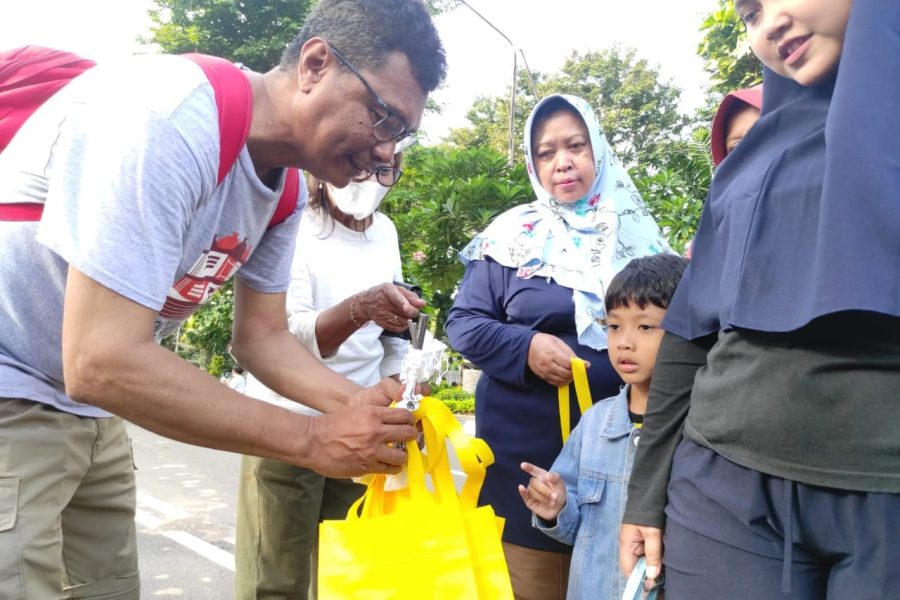
    On Sunday, September 7, a campaign to reduce single-use plastic will be held at Car Free Day (CFD) Samota, Sumbawa. The event is a collaboration between Nol Sampah Surabaya and SDN Selang, one of the Adiwiyata schools in Sumbawa, aimed at raising public awareness about the negative impacts of single-use plastics on the environment and human health.

    The campaign, titled “Rampok Tas Kresek dan Sedotan Plastik” (Seize Plastic Bags and Straws), will involve volunteers approaching CFD visitors still using plastic bags. Their plastic bags will be exchanged for reusable cloth bags. This step is expected to help reduce the community’s dependence on single-use plastic, which can take hundreds of years to decompose.

    In addition, volunteers will provide education to the public about the dangers of using plastic bags and straws. This educational effort is crucial since many people are still unaware of the long-term consequences of plastic waste on the environment.

    Symbolic Action with the Presence of the “Plastic Monster”

    To attract attention and raise awareness, the campaign will also feature the presence of a “plastic monster”, a symbol representing the threat of accumulated plastic waste that harms the environment. The hope is that this mascot will provoke reflection among the public about the importance of reducing single-use plastics.

    This campaign is part of a continuous effort to reduce plastic waste in Indonesia, which has become one of the country’s most pressing environmental issues. Through this activity, it is hoped that more people will switch to eco-friendly alternatives and develop greater concern for environmental sustainability.

  • Rare Mangrove Species Found on Nanga Sira Island, Sumbawa

    Rare Mangrove Species Found on Nanga Sira Island, Sumbawa

    In the lush expanse of Nanga Sira Island, located in the village of Penyaring, North Moyo, Sumbawa, two rare species of mangrove have been identified, underscoring the island’s ecological significance. The species, Ceriops decandra and Scyphiphora hydrophyllacea, are among the 14 rare mangrove varieties found worldwide.

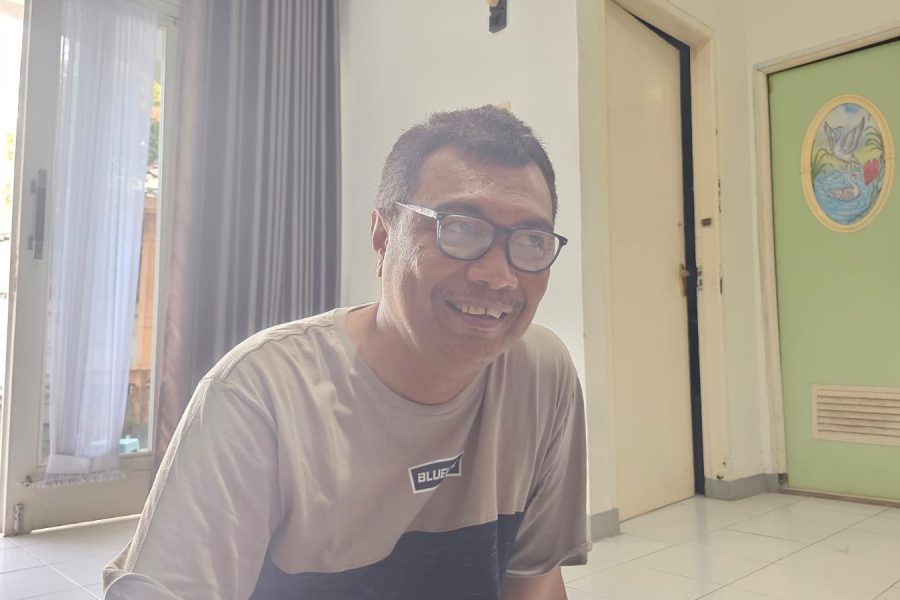
    Hermawan Some, a representative from the Zero Waste Community, who led the identification process in June 2025, highlighted the pressing need for conservation efforts to preserve these unique ecosystems. “Conservation efforts are essential to ensure these rare species continue to thrive,” he emphasized.

    These mangroves play a crucial role in maintaining ecological balance, serving as natural barriers against coastal erosion and providing critical habitats for various marine species. The presence of such rare species in Sumbawa highlights the region’s biodiversity and the need for urgent protective measures.

    Conservationists and local authorities are being urged to collaborate on strategies that would safeguard these rare mangroves from threats such as deforestation, pollution, and climate change. Initiatives may include establishing protected areas, promoting sustainable tourism, and engaging local communities in conservation efforts.

    The discovery of these rare mangroves also presents an opportunity for scientific research, which could provide further insights into the ecological roles and potential benefits of these species. Such research could foster a better understanding of how to protect and sustainably manage these vital ecosystems.