Tag: sustainability

  • Strengthening the Role of KDMP Samili in Bima’s Economic Growth

    Strengthening the Role of KDMP Samili in Bima’s Economic Growth

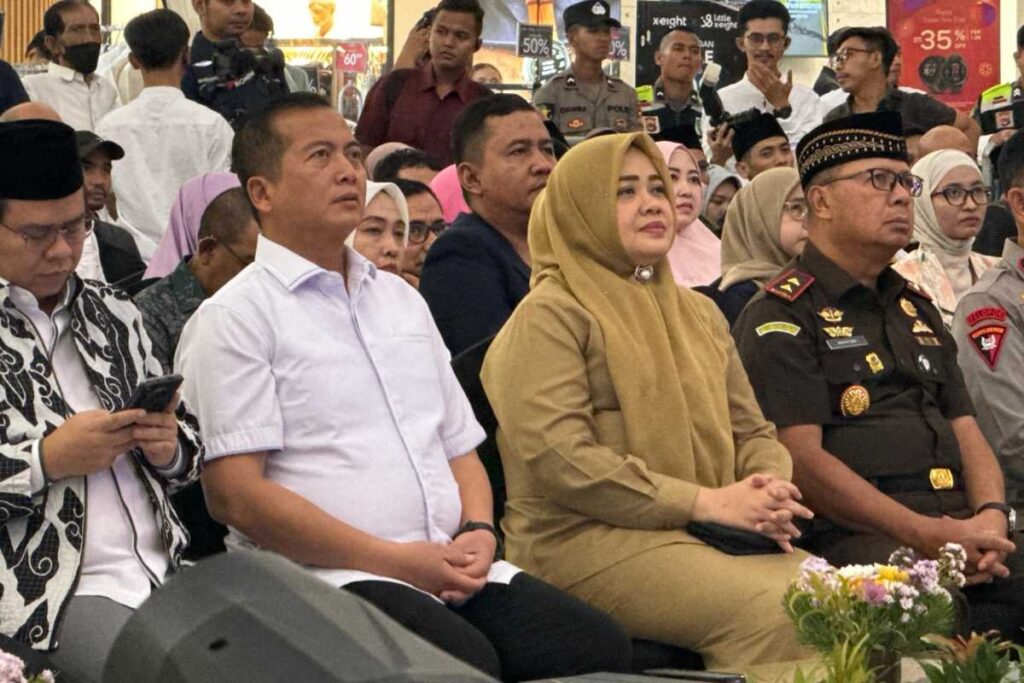
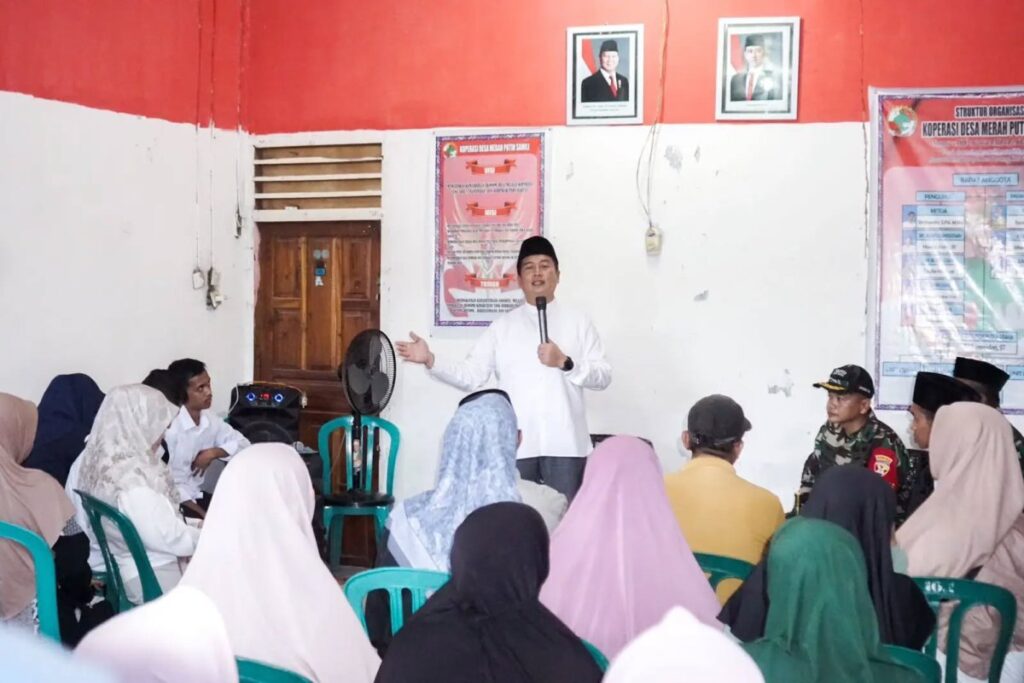
    Lombok Zone – The Governor of West Nusa Tenggara, Lalu Muhamad Iqbal, is advocating for the enhancement of the role of the Merah Putih Village Cooperative (KDMP) in Samili, Tente, Bima Regency. On March 3, 2026, he emphasized the cooperative’s importance as a central distribution hub for essential goods and a catalyst for local economic activity.

    Established in May 2025, KDMP has grown to include 600 members and is primarily focused on distributing rice in collaboration with local milling operations. Additionally, the cooperative facilitates the distribution of fertilizers, managing approximately 10 to 15 sacks at a time. To ensure a more structured and sustainable supply chain, the NTB Provincial Government plans to introduce a Governor’s Regulation (Pergub) concerning the distribution of essentials through KDMP.

    Governor Iqbal asserted, “This cooperative must evolve into a robust business unit, not just a social organization. Members need to begin engaging in business. We aim for essential goods distribution to be led by village cooperatives to stimulate local economies.”

    He also mentioned that the Indonesian Armed Forces (TNI) would lend support in establishing cooperative outlets should any challenges arise. For cooperatives lacking land of at least 10 ares, potential sites include local high schools (SMA and SMK), contingent upon further coordination.

    On the financial front, Governor Iqbal shared that KDMP could utilize the People’s Business Credit (KUR) scheme from Bank NTB, which will offer a 5.7 percent interest rate starting in June. Furthermore, the provincial government will subsidize this interest rate.

    “Feel free to take advantage of KUR from Bank NTB with the 5.7 percent interest rate. From June onwards, we will subsidize the interest. Therefore, it’s crucial for the cooperative to meticulously structure its business plan so that this venture can operate and flourish effectively,” he stated.

    With regulatory support, financing options, and cross-sector collaboration, KDMP Samili is expected to evolve into a key distribution center for essential goods, while driving economic independence for the communities in Woha and surrounding areas.

  • Strengthening Environmental Commitment: Indonesia Asri Program Launched in Bima

    Strengthening Environmental Commitment: Indonesia Asri Program Launched in Bima

    Lombok Zone – In a bid to tackle waste management challenges and promote sustainable living, the Vice Governor of West Nusa Tenggara (NTB), Indah Dhamayanti Putri, held a readiness rally for the Indonesia Asri and NTB Asri Berkelanjutan programs at the Bima City Mayor’s Office on Monday, March 2.

    This event serves as a reaffirmation of the collective commitment to enhance environmental quality and address ongoing waste issues. During her address, Vice Governor Dinda emphasized that the Indonesia Asri movement is part of a national directive aimed at revitalizing the spirit of mutual cooperation to achieve a clean and healthy environment.

    “Waste management can no longer rely on traditional methods of collecting, transporting, and disposing of waste. We must transition to an integrated system that starts from the source to the final processing facility,” stated Vice Governor Dinda.

    The NTB provincial government recognizes that waste management remains a shared challenge. Of the ten landfills in NTB, only a portion currently employs a controlled system, while the rest require further organization. This represents a significant task that must be accomplished gradually, with measurable and sustainable steps.

    Additionally, improving the Environmental Quality Index (IKLH) is also a priority. By 2025, the IKLH for NTB is projected to reach 77.4, categorized as good but still below the national target. “Parameters like air quality, water quality, and land cover are focal points for improvement, which will be driven by consistent reforestation and greening initiatives,” she added.

    “The Indonesia Asri and NTB Asri Berkelanjutan movements are not just ceremonial; they call for real action. Waste management must begin at the source and be executed systematically and measurably,” emphasized Vice Governor Dinda.

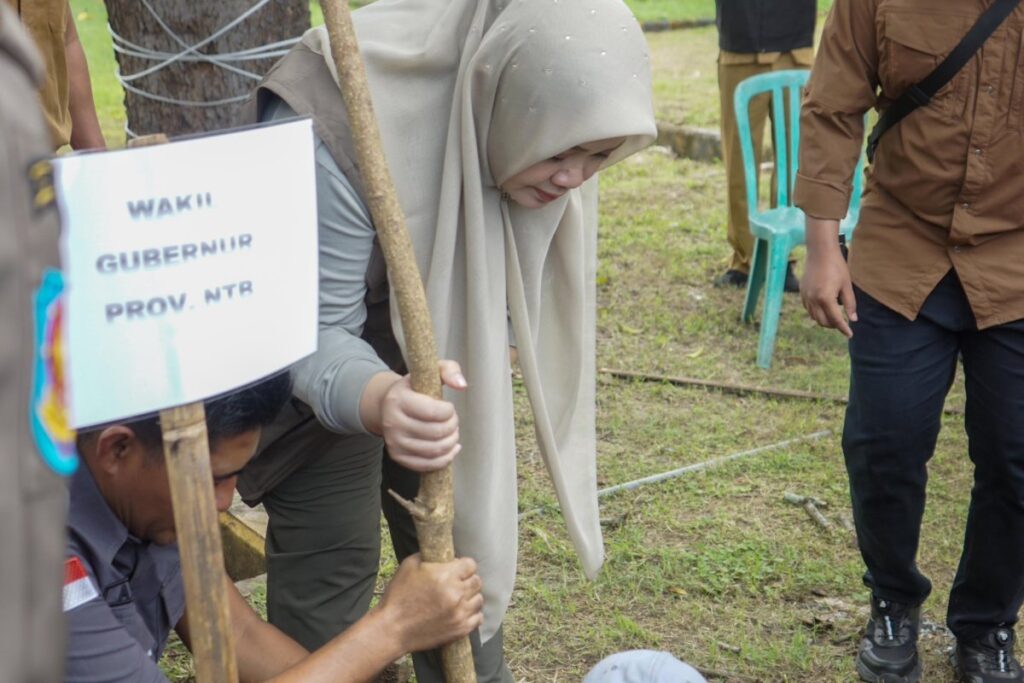
    In a demonstration of commitment, the rally included a tree-planting ceremony in front of the Bima Mayor’s Office, where a pule tree was planted. This act symbolizes the shared dedication towards enhancing greening efforts and maintaining environmental balance in urban areas.

    “We intend to use Ramadan as an opportunity to solidify our commitment to environmental care. Today’s tree planting serves as a reminder that change begins with small steps, but these steps must be taken consistently and collectively,” she continued.

    The government is encouraging all stakeholders, including local authorities, businesses, schools, religious institutions, and community organizations, to participate in making this movement a sustainable collective effort.

    “Without a healthy environment, development will lack a solid foundation. Therefore, let us work together towards a clean, green, and sustainable NTB for future generations,” concluded Vice Governor Dinda.

  • Seaplane Services Set to Transform Connectivity in NTB

    Seaplane Services Set to Transform Connectivity in NTB

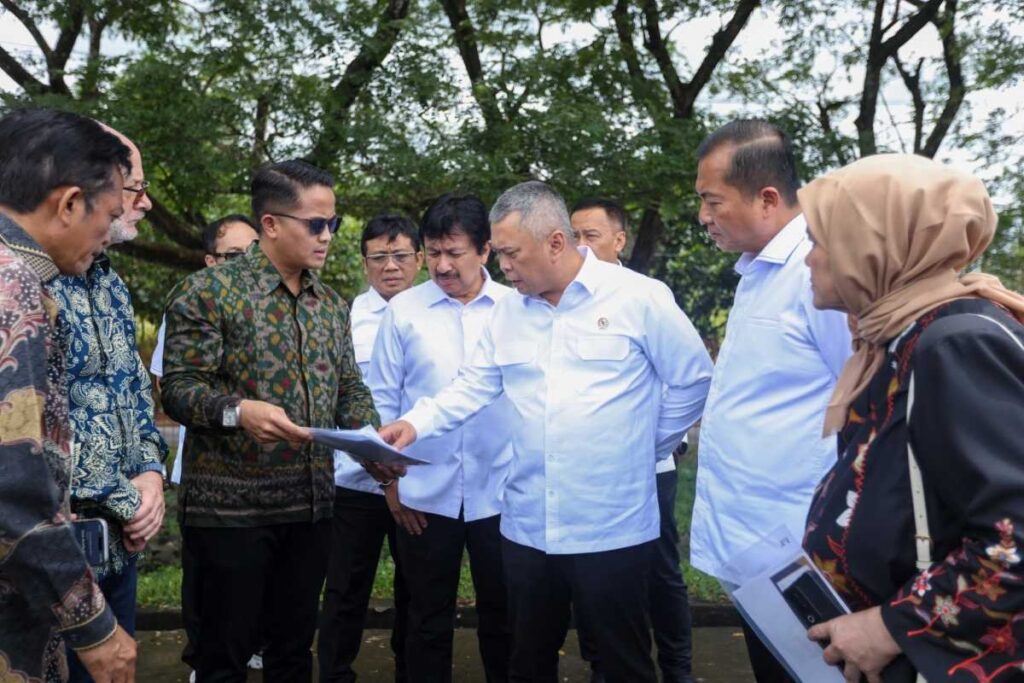
    Lombok Zone – On February 28, 2026, a significant milestone was marked with the signing of a Memorandum of Understanding aimed at developing seaplane services in NTB. The agreement was executed by NTB Governor Lalu Muhamad Iqbal, Central Lombok Regent H. Lalu Fathul Bahri, and PT Abadi Mega Angkutan, in the presence of Indonesia’s Minister of Transportation Dudy Purwagandhi. This initiative is not merely a new tourism route; it’s a foundational step toward enhancing connectivity across the islands of NTB.

    The push for improved connectivity aligns with the regional development goals articulated in the RPJMD, which emphasizes quality tourism, effective connectivity, and the blue economy as key competitive pillars. For an archipelagic province like NTB, robust connectivity is a prerequisite for equitable growth.

    Governor Iqbal understands the challenges posed by NTB’s numerous smaller islands, where accessibility often hampers potential development. While marine transport remains essential, its reliance on weather conditions can lead to lengthy travel times, sometimes lasting several hours. In contrast, seaplane services could significantly reduce these durations to mere minutes, representing a major leap in travel efficiency.

    Choosing the Batujai Dam as the operational base for the seaplane services was a decision backed by meticulous technical calculations. Its proximity to Zainuddin Abdul Madjid International Airport allows for several operational advantages:

    • Centralized Air Traffic Control (ATC) enhances communication and oversight, minimizing operational fragmentation.
    • Efficient navigation is achieved due to the close distance to essential infrastructure, reducing the need for expensive separate systems.
    • Integrated facilities lower duplication costs, improving the project’s financial viability.
    • Safety protocols benefit from quicker emergency response due to the alignment with the international airport’s operational ecosystem.

    Thus, the choice of Batujai was driven by aviation logic and safety standards rather than aesthetic considerations. The development roadmap emphasizes a phased and measured approach, starting with:

    • Ensuring the waterbase meets aviation safety standards and Ministry of Transportation regulations.
    • Synchronizing licensing and operational SOPs, including procedures for water aerodromes.
    • Constructing environmentally friendly facilities.
    • Conducting operational trials prior to route expansion.

    Coordination with dam management will ensure that the primary functions of irrigation remain protected. The seaplane operations are designed to coexist with existing infrastructure without compromising water governance or safety.

    From an economic perspective, the seaplane initiative supports a strategy of low-volume, high-value tourism, wherein controlled tourist numbers yield greater economic contributions. Its impact extends beyond just aviation operators to:

    • Boosting visits to smaller islands.
    • Increasing occupancy rates for homestays and eco-resorts.
    • Fostering the growth of coastal SMEs.
    • Enhancing local tourism revenue.

    In a 5–10 year outlook, this swift connectivity could stimulate investments in small island resorts, broaden the conservation tourism market, and streamline logistics for high-value fish commodities.

    This air-water connectivity also has cross-sector implications:

    • It promotes the blue economy by facilitating the mobility of entrepreneurs and investors.
    • It enables emergency medical access from remote islands.
    • It strengthens regional links among Bali, NTB, and NTT in tourism and investment flows.
    • It acts as a catalyst for sustainability-focused areas that blend conservation with local economic growth.

    In conclusion, the seaplane initiative is not just a standalone project; it is a pivotal hub for integrating policies that encompass tourism, fisheries, investment, and sustainable development. Public apprehensions regarding the elitism of the service are being addressed, as initial premium segments are set to unlock broader economic benefits through job creation, SME partnerships, and local services.

    Concerns about environmental friendliness are also being tackled, with facilities designed according to green principles and safety regulations that ensure economic growth aligns with sustainability.

    The policy is built on transparency and accountability, foundational elements that will help earn public legitimacy. NTB’s differentiated advantage of an integrated waterbase with an international airport strengthens its position in the national and regional tourism map.

    Governor Iqbal emphasizes that this initiative transforms NTB from merely being a prime destination into a connected and competitive archipelagic ecosystem. The Batujai seaplane service marks not the end, but the beginning of a strategic repositioning for NTB, showcasing its ability to manage its geography intelligently and sustainably. If executed consistently, this policy will not just open access to hundreds of islands but also usher in a new chapter of equitable, modern, and sustainable development.

  • 2025 Marks a New Era for Fisheries and Marine Development in NTB

    2025 Marks a New Era for Fisheries and Marine Development in NTB

    Lombok Zone – The year 2025 heralds a significant transformation in the fisheries and marine sectors in West Nusa Tenggara Province. Under the leadership of Iqbal and Dinda, this sector is evolving beyond merely being a source of primary commodities. It is now positioned as the cornerstone of a productive, competitive, and sustainable agro-maritime industry.

    This period represents both a consolidation phase and an opportunity for acceleration. As the inaugural year for implementing the Regional Medium-Term Development Plan (RPJMD) for 2025-2029, it also serves as a key moment for reinforcing production structures, enhancing the well-being of business actors, and integrating economic productivity with environmental sustainability.

    Enhanced Production and Consolidation of the Sector

    In 2025, the total fish production reached 1,252,719.60 tons, exceeding the annual target and reflecting a growth of 2.96 percent compared to 2024. This performance indicates that growth is no longer erratic but is rooted in stabilizing production systems at the levels of fishermen and breeders.

    The aquaculture subsector achieved 997,210.64 tons, surpassing its targets with a 1.66 percent annual increase. Although this growth is moderate, it takes place on a substantial production base nearing one million tons, indicating a notable strengthening of the aquaculture structure. The stability in shrimp and seaweed production, alongside improved business efficiency, marks successful technical guidance and the beginning of production integration aligned with market orientation.

    On the other hand, the capture fisheries sector realized production of 255,508.96 tons, growing 2.79 percent from the previous year. This growth reflects stabilizing capture activities and optimizing production resources, while ensuring that output increases remain within the sustainability framework for fish resources.

    Improved Welfare for Business Players

    From an economic perspective, the Fisheries Exchange Rate (NTP) in 2025 recorded at 106.82, showing an increase of 1.23 points compared to 2024, significantly surpassing expectations. This increase suggests that the prices received by fishermen and breeders are rising faster than their costs. At a macro level, these conditions reflect a stabilization of business actors’ welfare and provide evidence that production growth aligns with improved margins.

    Environmental Sustainability and Continuous Growth

    Indicators of environmental sustainability have also shown progress. By 2025, the area of marine ecosystems classified as healthy reached 14,528 hectares, exceeding targets and marking an improvement from 2024. This progress is supported by the management of 12 marine conservation areas through three designated management bodies. Such advancements in ecosystem quality affirm that growth in the fisheries sector proceeds in harmony with ecological caution.

    Strengthened Regulatory Framework

    The transformation of the sector is further solidified by the establishment of Provincial Regulation No. 14 of 2025 regarding Sustainable Management of Marine and Fisheries Resources. This regulation clarifies the provincial authority in managing the sea up to 12 miles, bolsters a risk-based licensing system, enhances conservation area management, and inspects mechanisms.

    With this legal framework, the direction of fisheries industrial downstreaming is reinforced, aligned with environmental support and the welfare of coastal communities.

    Beginning of Downstreaming Initiatives

    Additionally, 2025 marks the starting point for restructuring the economic landscape of the marine sector through increased downstreaming efforts. The operation of a salt factory in Bima Regency has transitioned the local economic model from raw material production to value addition.

    The impact is evident through increased income for salt farmers, job creation, price stabilization, and reduced dependence on external supply—demonstrating concrete steps toward building a robust agro-maritime value chain.

    In the case of the leading shrimp commodity, the local government is preparing a Feasibility Study (FS) and Detailed Engineering Design (DED) for an integrated processing plant linked with the fishing port. Accompanied by investment policy supports such as land provision, licensing facilitation, and fiscal incentives, the strategy emphasizes that the downstreaming approach extends beyond technical planning to form a tangible investment ecosystem.

    A Pivotal Year

    Overall, nearly all key indicators for 2025 indicate improvement over 2024: production has risen close to 3 percent, both aquaculture and capture sectors are positively growing, the NTP is stronger, and the quality of marine ecosystems is better. If 2024 can be seen as a period of stabilization, then 2025 reflects a more mature and directed consolidation, underpinned by strong regulatory foundations and an increasingly integrated approach to development between productivity, value addition, and sustainability.

    Thus, 2025 is positioned as a turning point for the fisheries and marine sector in NTB: a transitional phase from mere quantitative growth towards the transformation of agricultural industry governance that is productive, competitive, and sustainable.

  • Mataram Enhances Waste Management with New Incinerator Initiative

    Mataram Enhances Waste Management with New Incinerator Initiative

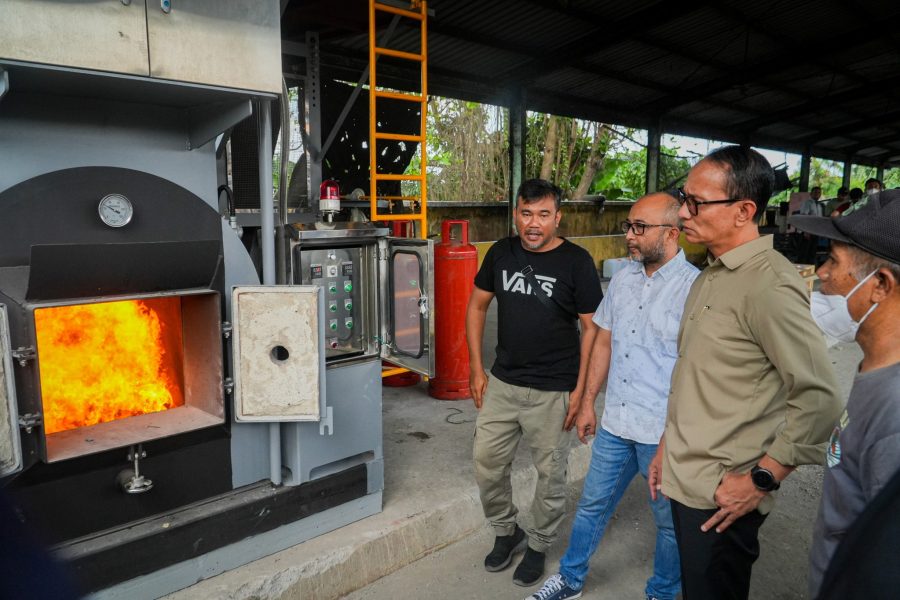
    In an effort to improve waste management and reduce reliance on the Kebon Kongok landfill, the Mayor of Mataram, H. Mohan Roliskana, accompanied by the Head of the Environment Agency, H. Nizar Deni Cahyadi, and the Head of Waste Management at Mataram’s Environment Agency, Vidi Partisan Yuris Gamanjaya, inspected the use of an incinerator at the Sandubaya Temporary Waste Disposal Site on Wednesday, September 3, 2025. This initiative underscores the Mataram City Government’s commitment to finding sustainable solutions for waste management.

    The incinerator, donated by the West Nusa Tenggara Provincial Government and originating from South Korea, has the capacity to burn 5 tons of waste every 8 hours, or one shift. Plans are underway to operate the machine in two shifts daily, allowing it to process up to 10 tons of waste per day.

    “This tool is very helpful and has been tested. It will continue to be trialed until it reaches its maximum capacity of 10 tons per day,” the mayor remarked during the trial process.

    The introduction of this incinerator is seen as a solution to decrease dependency on the limited Kebon Kongoq landfill and to cut operational costs of dump trucks by approximately 76 million rupiah annually. At the Sandubaya site, three incinerator units are expected to operate. These include one unit from the H Moh Ruslan Hospital, and Mataram plans to purchase an additional unit with the same capacity.

    “In total, there will be three machines at this site, managing 30 tons daily. Combined with the Sandubaya TPST, which processes 50 tons daily, we can handle 80 tons of the 200 tons generated daily by Mataram,” he explained.

    The use of these incinerators has been approved by the Indonesian Ministry of Environment, confirming they meet air quality standards. In the future, the Mataram City Government plans to purchase a larger incinerator with a 100-ton capacity and aims to involve citizens in waste management through the ‘Tempah Dedoro Organik’ program, encouraging them to participate in organic waste management from the source to the end.