
Tag: tourism

  • NTB Government Establishes Saleh Bay as Conservation Area

    NTB Government Establishes Saleh Bay as Conservation Area

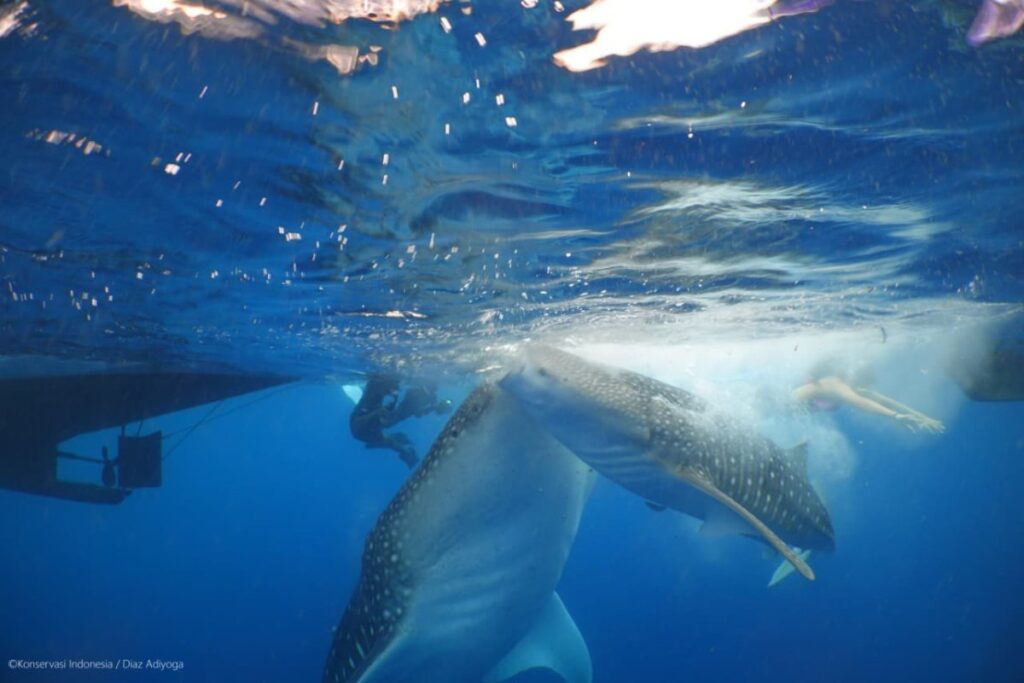
    Lombok Zone – The government of West Nusa Tenggara (NTB) has taken a significant step by designating Saleh Bay as a conservation area, aiming to guide tourism development towards ecosystem protection rather than short-term exploitation.

    This new policy is outlined in West Nusa Tenggara Governor’s Decree No. 100.3.3.1-196 of 2026 regarding the Reservation of Conservation Areas and the Protection of Whale Sharks in Saleh Bay Waters.

    This designation reflects a shift in development strategy, prioritizing conservation as the foundational element while allowing economic and tourism activities to align with environmental capacity limits.

    Dr. H. Ahsanul Khalik, the Head of the NTB Communication, Informatics, and Statistics Office, as well as the Spokesperson for the NTB Provincial Government, emphasized that this initiative is part of the government’s commitment to sustainable development that leverages ecosystem strengths.

    “Saleh Bay is not developed through exploitation but through the protection of its ecosystem. That’s where its competitiveness and sustainability lie,” he remarked.

    The designated area spans 73,165.05 hectares and is reserved as a species-based conservation zone, protecting the habitat of whale sharks (Rhincodon typus), including feeding areas, growth zones, and natural migration routes throughout the year.

    This governor’s policy asserts that all development plans, including tourism feasibility studies, must adhere to the established conservation principles. Dr. Khalik, often called Aka, stated, “Feasibility studies must follow the conservation policy direction, not the other way around.”

    This approach ensures that development in the area does not compromise the ecosystem, but instead leverages it as the primary strength in creating sustainable economic value.

    The NTB Provincial Government believes that this step will provide a clear direction for investment while maintaining a balance between environmental preservation and the welfare of coastal communities.

    With a strong conservation foundation, Saleh Bay is positioned to become an ecosystem-based tourism destination that is not only competitive on a global scale but also resilient in the long run, he concluded.

  • Nusa Tenggara Barat’s Economic Performance Shows Positive Trends

    Nusa Tenggara Barat’s Economic Performance Shows Positive Trends

    Significant Growth in Exports and Tourism

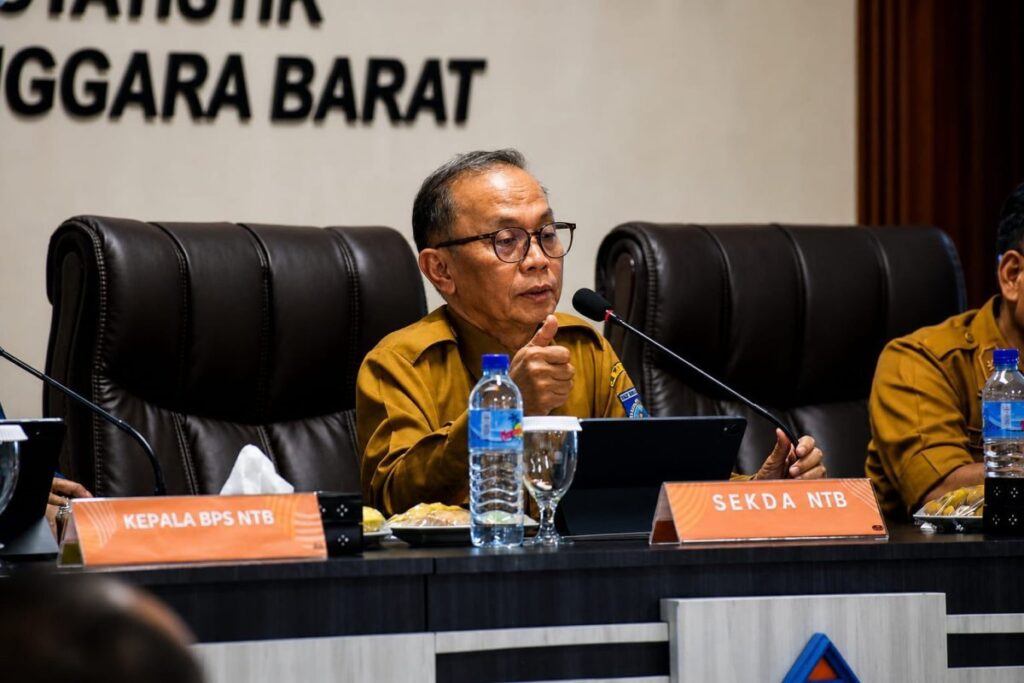
    Lombok Zone – The economy of Nusa Tenggara Barat (NTB) is on an upward trajectory, highlighted by impressive export figures, a surge in tourist visits, and controlled inflation rates. This encouraging news was shared by Dr. Drs. Wahyudin, MM, the Head of the NTB Central Statistics Agency (BPS), in the official statistical report released on Monday, May 4, 2026.

    According to BPS, NTB’s export value reached approximately $567.57 million in March 2026, representing an astonishing increase of 9,162.68% compared to the same month the previous year. Cumulatively, from January to March 2026, exports amounted to $707.92 million, marking a significant rise from the previous year. This remarkable growth is primarily driven by exports in key commodities, particularly from the mining and copper processing sectors.

    “This rise in exports is a strong indicator that NTB’s economic activities are progressing rapidly, especially in resources and industry,” explained Wahyudin.

    Tourism Boom Amid Festive Season

    NTB’s tourism sector is also experiencing a positive upturn. In March 2026, the number of foreign tourists arriving at Lombok International Airport reached 6,428, reflecting a 24.72% increase from the previous month. Domestic tourist visits surged as well, reaching 1.39 million, up 34.64% month-on-month.

    The demand for hotel accommodations has also risen, with star-rated hotels hosting around 87,816 guests, while non-star hotels welcomed 110,249 visitors. This increase is largely attributed to the holiday season surrounding Ramadan and Eid al-Fitr, which has amplified community mobility.

    Transportation Growth Indicates Economic Activity

    Passenger transport figures have seen a noteworthy rise, with domestic air travel increasing by 44.58% and sea transport by 39.84% compared to the previous month. These statistics indicate a greater level of economic activity and mobility among the residents of NTB.

    Stable Inflation Amid Economic Growth

    As for inflation, NTB recorded a year-on-year rate of 3.27% in April 2026, suggesting that prices are still under control. Interestingly, there was a month-on-month deflation of 0.11%, largely driven by a drop in the prices of several food commodities, including chili, chicken meat, and vegetables, following a post-harvest supply boost.

    “The inflation rate remains well-managed, and the monthly deflation demonstrates price stability against a backdrop of rising economic activity,” Wahyudin noted.

    Encouraging Trends in Agriculture

    In the agricultural sector, the Farmer’s Exchange Rate (NTP) for April 2026 was recorded at 128.00, indicating that farmers’ purchasing power remains strong, albeit slightly lower than the previous month.

    Overall, BPS views the economic performance of NTB at the beginning of 2026 as promising, backed by robust export activities, increased tourism, and stable pricing. “This lays a crucial foundation for future economic growth in NTB, though it is vital to maintain a balance between growth and public purchasing power,” Wahyudin concluded.

  • Indonesia and Vietnam Recognized Among World’s Most Beautiful Countries

    Indonesia and Vietnam Recognized Among World’s Most Beautiful Countries

    Lombok Zone – In a recent spotlight, two Southeast Asian countries, Indonesia and Vietnam, have captivated global attention by securing spots on the prestigious list of the 28 most beautiful countries curated by Condé Nast Traveler.

    Interestingly, these two nations are not the most visited in the region, especially when compared to popular tourist hubs like Thailand and Malaysia. The selection was made by editors who focused on the allure of natural landscapes, biodiversity, and authentic travel experiences.

    Highlights of Vietnam

    Vietnam was highlighted for its outdoor activities that provide an exceptional experience for nature enthusiasts. Among the recommended destinations, Ha Long Bay stands out with its clear blue waters and towering limestone islands adorned with tropical foliage and a vibrant array of wildlife.

    • In the northern region, Ha Giang offers breathtaking views with its steep terraces and challenging hiking trails.
    • Meanwhile, Ninh Van Bay, situated along the central coast, is perfect for snorkeling and diving adventures.
    • Travelers can also head to Phu Quoc, a tropical island cloaked in forests, featuring exotic beaches in the southwest of Vietnam.

    Indonesia’s Charm

    On the other hand, Indonesia is referred to as the ‘crown jewel’ of Southeast Asia, boasting a wealth of islands and stunning natural beauty.

    Although Bali is often crowded with tourists, there are still tranquil spots waiting to be explored, such as Tabanan. This area features waterfalls, butterfly gardens, and UNESCO-recognized rice terraces. For underwater enthusiasts, Raja Ampat is a top destination with its azure waters and richly diverse coral reefs. Alternatively, Flores attracts those seeking pristine white beaches and lush green hills, often with fewer visitors.

    The inclusion of Indonesia and Vietnam in this esteemed list highlights the notion that a destination’s beauty does not always correlate with tourist traffic. Amid the dominance of more popular countries, these two provide a more genuine and varied travel experience.

    Besides Indonesia and Vietnam, the list features several other countries such as Argentina, Australia, Brazil, Japan, and South Africa, underscoring that beauty can be found worldwide, often beyond the radar of mainstream destinations.

  • Lombok Barat Prepares for Festive Lebaran Topat Celebration

    Lombok Barat Prepares for Festive Lebaran Topat Celebration

    Lombok Zone – This year, the Lombok Barat District Government is gearing up for the much-anticipated Lebaran Topat celebration. Scheduled for a week after the Idul Fitri holiday, this event promises to be more lively and colorful than in previous years.

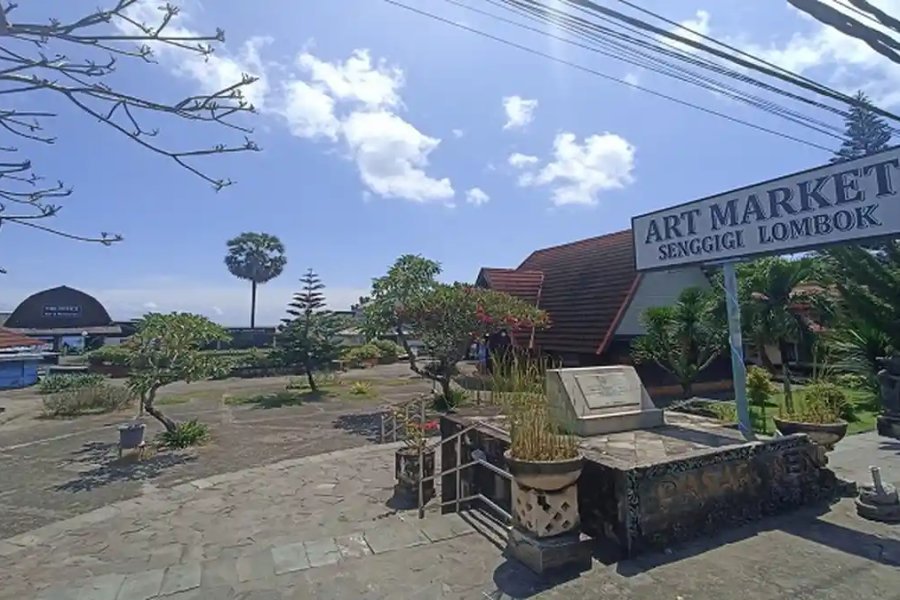
    According to Agus Gunawan, the Head of the Tourism, Creative Economy, Youth and Sports Office, the festivities will take place at the Senggigi Art Market Amphitheater. This location aims to broaden the event’s exposure, particularly to international visitors in the Senggigi area. During his presentation to the regent and several local government officials, Agus emphasized the importance of this initiative.

    The celebration will not only showcase local culture but also encourage participation from various districts throughout NTB. This collaborative effort is designed to strengthen ties and coordination among regions while promoting the rich cultural heritage of Lombok. Furthermore, the local community is invited to be an active part of the Lebaran Topat festivities, marking a true celebration of togetherness.

  • Seaplane Services Set to Transform Connectivity in NTB

    Seaplane Services Set to Transform Connectivity in NTB

    Lombok Zone – On February 28, 2026, a significant milestone was marked with the signing of a Memorandum of Understanding aimed at developing seaplane services in NTB. The agreement was executed by NTB Governor Lalu Muhamad Iqbal, Central Lombok Regent H. Lalu Fathul Bahri, and PT Abadi Mega Angkutan, in the presence of Indonesia’s Minister of Transportation Dudy Purwagandhi. This initiative is not merely a new tourism route; it’s a foundational step toward enhancing connectivity across the islands of NTB.

    The push for improved connectivity aligns with the regional development goals articulated in the RPJMD, which emphasizes quality tourism, effective connectivity, and the blue economy as key competitive pillars. For an archipelagic province like NTB, robust connectivity is a prerequisite for equitable growth.

    Governor Iqbal understands the challenges posed by NTB’s numerous smaller islands, where accessibility often hampers potential development. While marine transport remains essential, its reliance on weather conditions can lead to lengthy travel times, sometimes lasting several hours. In contrast, seaplane services could significantly reduce these durations to mere minutes, representing a major leap in travel efficiency.

    Choosing the Batujai Dam as the operational base for the seaplane services was a decision backed by meticulous technical calculations. Its proximity to Zainuddin Abdul Madjid International Airport allows for several operational advantages:

    • Centralized Air Traffic Control (ATC) enhances communication and oversight, minimizing operational fragmentation.
    • Efficient navigation is achieved due to the close distance to essential infrastructure, reducing the need for expensive separate systems.
    • Integrated facilities lower duplication costs, improving the project’s financial viability.
    • Safety protocols benefit from quicker emergency response due to the alignment with the international airport’s operational ecosystem.

    Thus, the choice of Batujai was driven by aviation logic and safety standards rather than aesthetic considerations. The development roadmap emphasizes a phased and measured approach, starting with:

    • Ensuring the waterbase meets aviation safety standards and Ministry of Transportation regulations.
    • Synchronizing licensing and operational SOPs, including procedures for water aerodromes.
    • Constructing environmentally friendly facilities.
    • Conducting operational trials prior to route expansion.

    Coordination with dam management will ensure that the primary functions of irrigation remain protected. The seaplane operations are designed to coexist with existing infrastructure without compromising water governance or safety.

    From an economic perspective, the seaplane initiative supports a strategy of low-volume, high-value tourism, wherein controlled tourist numbers yield greater economic contributions. Its impact extends beyond just aviation operators to:

    • Boosting visits to smaller islands.
    • Increasing occupancy rates for homestays and eco-resorts.
    • Fostering the growth of coastal SMEs.
    • Enhancing local tourism revenue.

    In a 5–10 year outlook, this swift connectivity could stimulate investments in small island resorts, broaden the conservation tourism market, and streamline logistics for high-value fish commodities.

    This air-water connectivity also has cross-sector implications:

    • It promotes the blue economy by facilitating the mobility of entrepreneurs and investors.
    • It enables emergency medical access from remote islands.
    • It strengthens regional links among Bali, NTB, and NTT in tourism and investment flows.
    • It acts as a catalyst for sustainability-focused areas that blend conservation with local economic growth.

    In conclusion, the seaplane initiative is not just a standalone project; it is a pivotal hub for integrating policies that encompass tourism, fisheries, investment, and sustainable development. Public apprehensions regarding the elitism of the service are being addressed, as initial premium segments are set to unlock broader economic benefits through job creation, SME partnerships, and local services.

    Concerns about environmental friendliness are also being tackled, with facilities designed according to green principles and safety regulations that ensure economic growth aligns with sustainability.

    The policy is built on transparency and accountability, foundational elements that will help earn public legitimacy. NTB’s differentiated advantage of an integrated waterbase with an international airport strengthens its position in the national and regional tourism map.

    Governor Iqbal emphasizes that this initiative transforms NTB from merely being a prime destination into a connected and competitive archipelagic ecosystem. The Batujai seaplane service marks not the end, but the beginning of a strategic repositioning for NTB, showcasing its ability to manage its geography intelligently and sustainably. If executed consistently, this policy will not just open access to hundreds of islands but also usher in a new chapter of equitable, modern, and sustainable development.

  • Taman Ayu Village: A Focus for NTB’s Empowerment Program

    Taman Ayu Village: A Focus for NTB’s Empowerment Program

    Lombok Zone – The village of Taman Ayu in the Gerung District has recently become a focal point in the West Nusa Tenggara (NTB) provincial government’s “Empowered Village” initiative. This area, rich in unique geographical traits, boasts significant tourism potential but faces a variety of complex economic and environmental challenges.

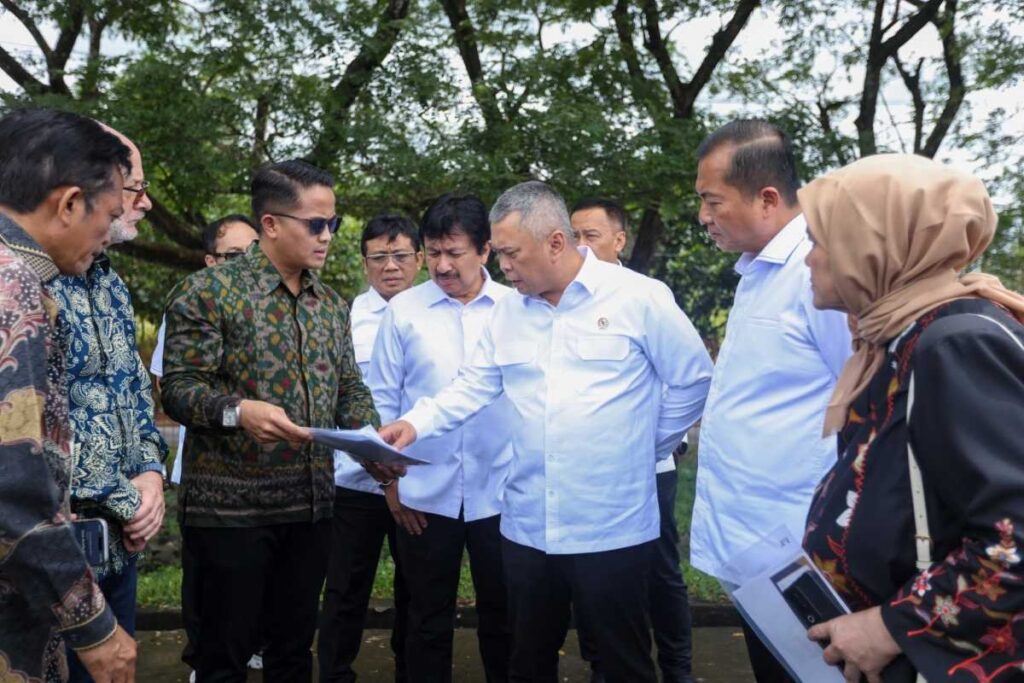
    During his visit on Thursday, February 26, 2026, NTB Governor Lalu Muhamad Iqbal emphasized that addressing poverty in Taman Ayu requires a comprehensive approach rather than piecemeal solutions. He introduced the concept of “Orchestration and Collaboration” to unify various existing programs that previously operated in isolation.

    “Poverty is a multifaceted phenomenon. We cannot tackle just one aspect, like waste management or disaster relief, and expect to eradicate poverty completely. All stakeholders — from the provincial and district levels to villages and private sectors — must work harmoniously together,” he asserted.

    Governor Iqbal detailed initial steps, which included verifying extreme poverty data. Out of an estimated 7,000 individuals, the actual number verified by supporting teams was found to be around 4,000.

    To tackle these issues, the provincial government has developed two intervention schemes:

    • Village Level: An allocation of approximately Rp 500 million aimed at strengthening village infrastructure and harnessing local potential.
    • Family Level: Direct interventions aimed at meeting the needs of targeted households.

    “Our focus is on food security and tourism. I urge village assistants not to start from scratch but to gather the existing pieces from programs like PKH or previous village initiatives,” he added.

    On the other hand, Taman Ayu’s village chief, Muhammad Tajudin, shared insights about the village’s geography, bordered by two major rivers, the Babak and Dodokan, and adjacent to the sea on the west and mountains on the east. Despite its natural beauty, each hamlet within Taman Ayu possesses a wealth of artistic traditions, including Wayang, Gamelan, Gendang Beleq, and weaving.

    However, Tajudin expressed deep concern over severe coastal erosion that has claimed approximately 70 hectares of beachfront, affecting 10 to 20 hectares of private land. “The erosion is drastic, shaping a crescent-like pattern when viewed on the Lombok map. We have communicated with the provincial authorities, but the costs of building a breakwater are substantial. Even the previously planted pine trees and existing groins have been swept away by the sea,” he explained.

    In addition to erosion, air pollution from the material trucks and coal dust around the PLTU site, along with garbage odors, pose challenges that undermine the appeal of this beautiful village.

    In line with the governor’s vision, Chief Tajudin noted their focus on addressing poverty among the most vulnerable groups. Taman Ayu has now established formal structures, including a Disability Forum and an Equal School Forum for women to ensure these groups remain empowered and included in the development process.

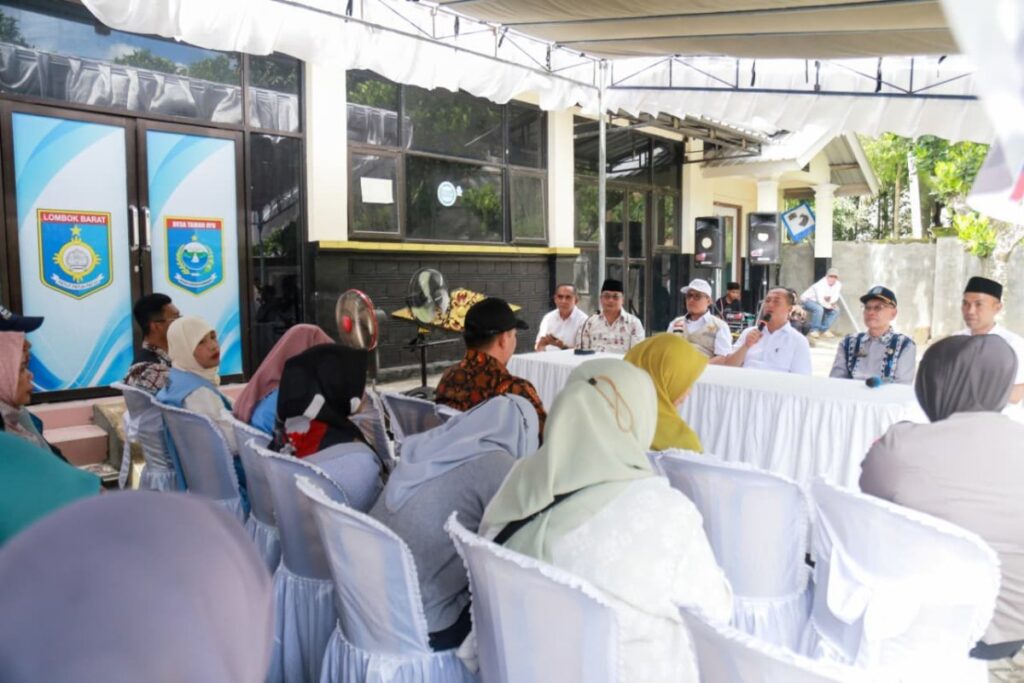
    The visit concluded with a lively discussion involving the Governor, provincial OPD officials, West Lombok government representatives, and local residents to formulate concrete steps to address coastal erosion and capitalize on Taman Ayu’s tourism potential as a catalyst for local economic growth.

  • Gelegar Lentera Ramadan 2026 Kicks Off in Lombok with a Vibrant Celebration

    Gelegar Lentera Ramadan 2026 Kicks Off in Lombok with a Vibrant Celebration

    Governor Launches Unique Ramadan Event

    Lombok Zone – The Governor of West Nusa Tenggara, Lalu Muhamad Iqbal, officially inaugurated the ‘Gelegar Lentera Ramadan 2026’ at Tioq Tata Tunaq Square in North Lombok on Wednesday, February 25, 2026. The event was highlighted by a performance from the renowned religious singer, Opick.

    Governor Iqbal emphasized that this year’s Ramadan festivities would be distinct from those of previous years, focusing on equitable benefits for micro, small, and medium enterprises (MSMEs). He stated, “Last year, the Ramadan event was mainly centered in one location. This time, we have spread it out across various regions.”

    He underlined the need for economic empowerment to reach different districts and cities so that local business owners can directly experience the economic flow during Ramadan. “The spirit of MSME empowerment, which was previously concentrated at the Islamic Center Hubbul Wathan, should be extended to other areas to ensure that MSMEs from various districts also benefit,” he added.

    Event Schedule and Goals

    The Gelegar Lentera Ramadan 2026 will unfold gradually, starting in North Lombok from February 25 to March 1, 2026. Following this, the event will move to Bima City on March 2-3, then to Central Lombok from March 4 to 8, and will conclude back at the Islamic Center Hubbul Wathan.

    Ahmad Nur Aulia, the Head of the NTB Tourism and Creative Economy Office, described the event as a platform designed to boost community economic activities through cross-sector collaboration. He stated, “This event provides a space for religious expression and entertainment for the community.”

    Aulia noted the partnership with Bank NTB Syariah to ensure that the blessings of Ramadan reach the families involved in MSMEs. The event’s highlight is the performance by Opick, intended to entertain the local audience.

    “This event also forms part of the local government’s strategy to foster culture and religious-based activities that have a direct impact on the local economy and equitable economic activities across NTB regions,” he mentioned.

    Opick, whose real name is Aunur Rofiq Lil Firdaus, expressed his joy at returning to NTB. He mentioned that this visit felt different compared to his previous ones. “Today, the weather is rainy. I hope our fasting goes smoothly,” Opick remarked before performing his song, Maulana, at the Gelegar Lentera Ramadan stage in North Lombok.

  • Pepito Market Kuta Mandalika Reopens with a Fresh Concept and Premium Culinary Experience

    Pepito Market Kuta Mandalika Reopens with a Fresh Concept and Premium Culinary Experience

    On December 25, 2025, Pepito Market Kuta Mandalika celebrated its grand reopening, unveiling a revamped, modern, and more comfortable shopping experience for its visitors. This renovation also marks the return of Pepi Bistro, which now offers a practical yet premium culinary concept aimed at satisfying the needs of both local residents and tourists in the Mandalika area.

    A Revamped Shopping Experience

    As a beloved shopping destination, Pepito Market has significantly enhanced its fresh food section, particularly with the introduction of the New Butcher Section. This area provides a wider array of meats, fresh fish, poultry, and an assortment of cheeses, catering to the needs of households, villas, and the hospitality industry within Mandalika.

    Pepito Market Kuta Mandalika Reopens with a Fresh Concept and Premium Culinary Experience
    Pepito Market Kuta Mandalika Reopens with a Fresh Concept and Premium Culinary Experience

    Culinary Delights at Pepi Bistro

    Beyond shopping, visitors can indulge in a variety of ready-to-eat dishes at Pepi Bistro. Signature offerings such as the juicy Roasted Chicken Pepito and a Salad Buffet featuring fresh vegetables that can be mixed to one’s liking, make for a convenient culinary solution all in one location. Additionally, Pepi Bistro enhances the dining experience with its Baker’s Corner, offering cake slices and a selection of premium ready-to-eat meals.

    The reopening of Pepito Market Kuta Mandalika underscores Pepito’s commitment to providing a premium supermarket experience that not only offers high-quality food products but also delivers a modern, comfortable, and efficient shopping and dining experience in one of NTB’s premier tourist areas.