Category: Economy

News and updates on business, SMEs, local markets, and the overall economic development driving Lombok’s growth.

  • Governor Iqbal Strengthens Village Economy Through Cooperatives

    Governor Iqbal Strengthens Village Economy Through Cooperatives

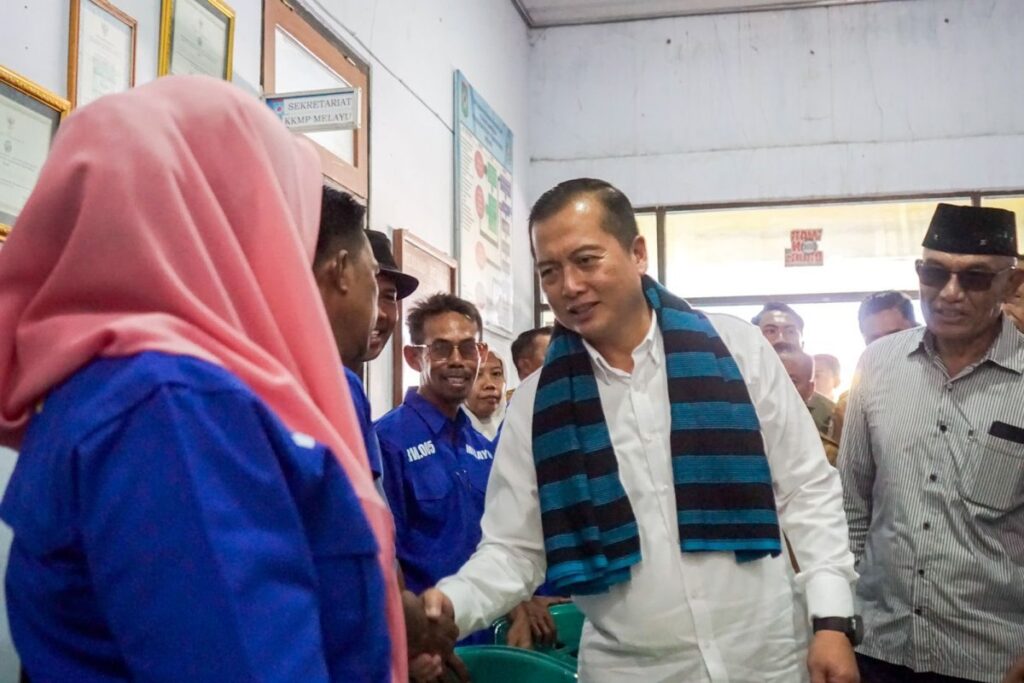
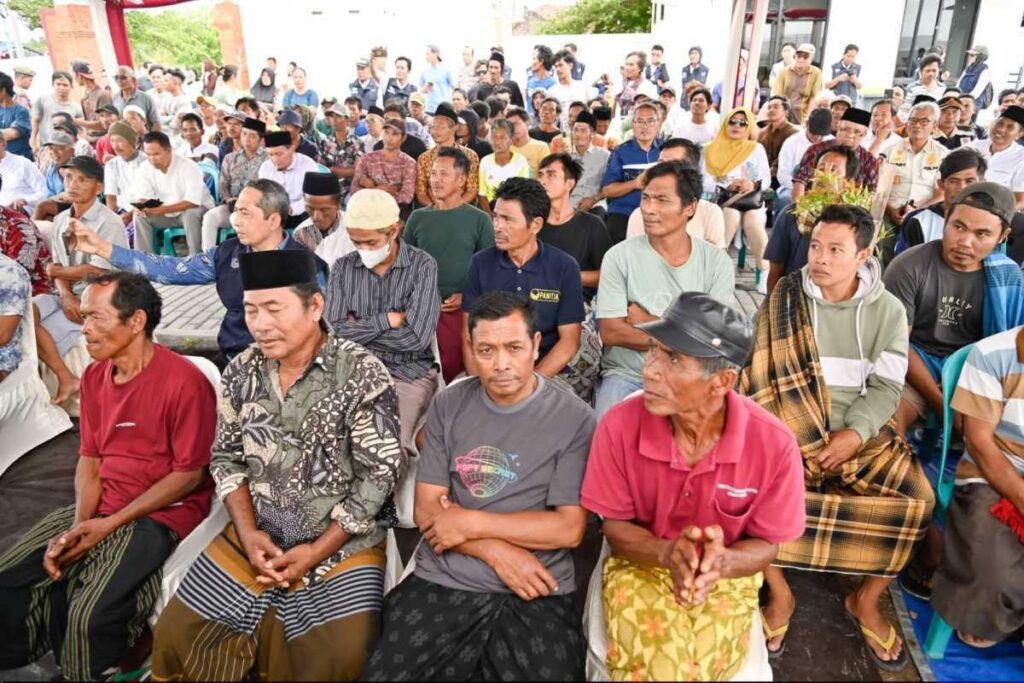
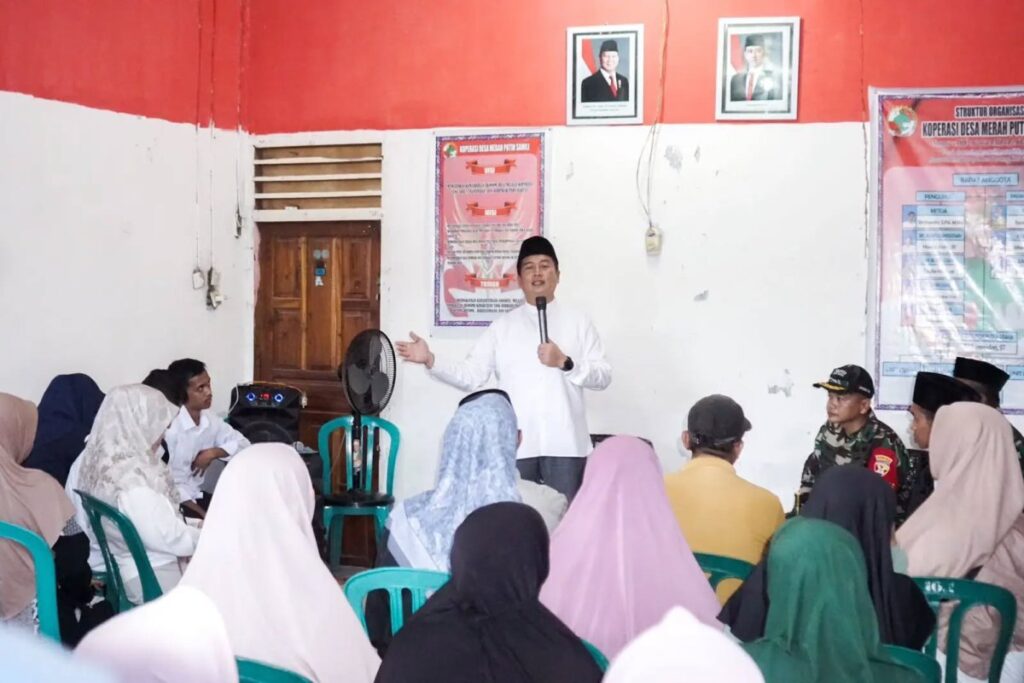
    Lombok Zone – The Governor of West Nusa Tenggara (NTB), Lalu Muhamad Iqbal, has expressed his unwavering commitment to enhancing the village economy by promoting the development of cooperatives and community-based business ecosystems. His remarks came during a meeting with the management of the Merah Putih Melayu Asakota Cooperative in Bima City on Monday, March 2.

    Governor Iqbal highlighted that the local government is poised to assist in advancing technology and formulating business plans to ensure that cooperatives and village enterprises operate effectively. He also mentioned that support would be provided to facilitate access to capital through banking channels.

    “We will help draft the business plans to enable them to apply for bank loans. It’s crucial that these cooperatives are engaged in actual business, not just operating storefronts,” he stressed.

    He pointed out that the distribution chain for agricultural products has been excessively lengthy, resulting in farmers not reaping optimal profits. The produce goes through various intermediaries before reaching the market, which adversely affects the farmers’ bargaining power.

    The cooperative concept championed by the government aims to shorten this distribution chain. With cooperatives, farmers can sell their products directly to the market or end buyers, thereby improving their bargaining position in price negotiations.

    Governor Iqbal also encouraged the development of productive enterprises in villages, such as small-scale egg-laying poultry farms and greenhouse horticulture. These business models are considered practical for meeting local market demands while reducing dependence on external supplies.

    He cited that through collective chicken coop management, villages could produce thousands of eggs weekly, marketed via cooperatives. Similarly, cultivating chili and daily consumption vegetables could satisfy high community demand.

    During the event, he also provided support in the form of infrastructure and equipment to the Merah Putih Melayu Asakota Cooperative, underscoring the government’s tangible commitment to accelerate cooperative operations and business development in the villages.

    He reiterated that strengthening the village economy transcends mere political discourse; it is a significant endeavor towards improving community welfare. “If it’s about politics, we can discuss it in its own arena. However, addressing the economic concerns of the people is a task we must undertake together,” he concluded.

  • Seaplane Services Set to Transform Connectivity in NTB

    Seaplane Services Set to Transform Connectivity in NTB

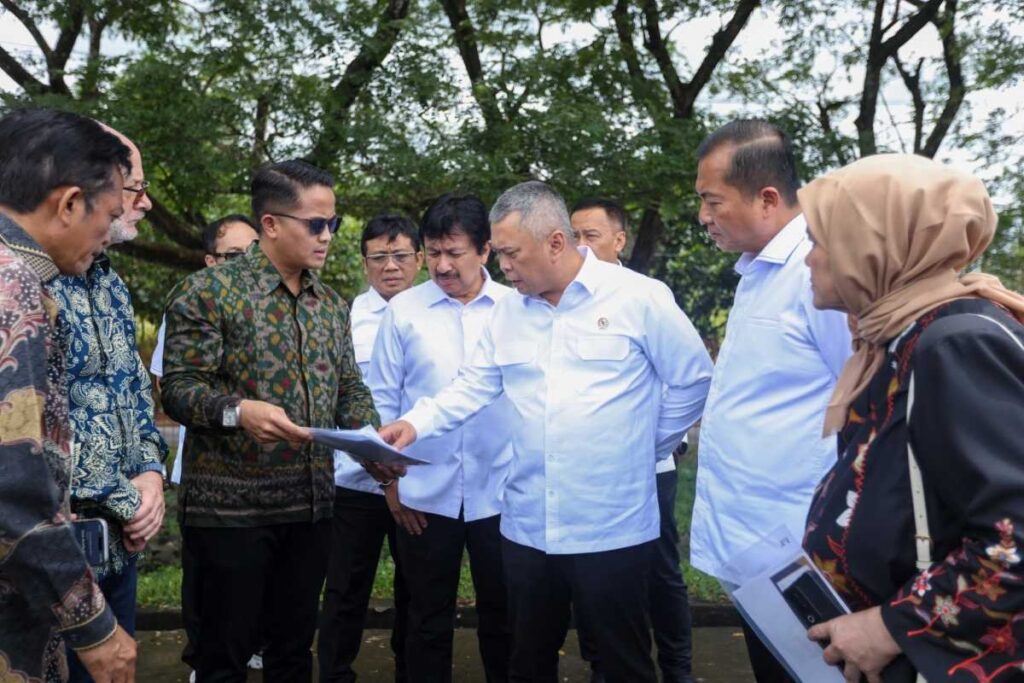
    Lombok Zone – On February 28, 2026, a significant milestone was marked with the signing of a Memorandum of Understanding aimed at developing seaplane services in NTB. The agreement was executed by NTB Governor Lalu Muhamad Iqbal, Central Lombok Regent H. Lalu Fathul Bahri, and PT Abadi Mega Angkutan, in the presence of Indonesia’s Minister of Transportation Dudy Purwagandhi. This initiative is not merely a new tourism route; it’s a foundational step toward enhancing connectivity across the islands of NTB.

    The push for improved connectivity aligns with the regional development goals articulated in the RPJMD, which emphasizes quality tourism, effective connectivity, and the blue economy as key competitive pillars. For an archipelagic province like NTB, robust connectivity is a prerequisite for equitable growth.

    Governor Iqbal understands the challenges posed by NTB’s numerous smaller islands, where accessibility often hampers potential development. While marine transport remains essential, its reliance on weather conditions can lead to lengthy travel times, sometimes lasting several hours. In contrast, seaplane services could significantly reduce these durations to mere minutes, representing a major leap in travel efficiency.

    Choosing the Batujai Dam as the operational base for the seaplane services was a decision backed by meticulous technical calculations. Its proximity to Zainuddin Abdul Madjid International Airport allows for several operational advantages:

    • Centralized Air Traffic Control (ATC) enhances communication and oversight, minimizing operational fragmentation.
    • Efficient navigation is achieved due to the close distance to essential infrastructure, reducing the need for expensive separate systems.
    • Integrated facilities lower duplication costs, improving the project’s financial viability.
    • Safety protocols benefit from quicker emergency response due to the alignment with the international airport’s operational ecosystem.

    Thus, the choice of Batujai was driven by aviation logic and safety standards rather than aesthetic considerations. The development roadmap emphasizes a phased and measured approach, starting with:

    • Ensuring the waterbase meets aviation safety standards and Ministry of Transportation regulations.
    • Synchronizing licensing and operational SOPs, including procedures for water aerodromes.
    • Constructing environmentally friendly facilities.
    • Conducting operational trials prior to route expansion.

    Coordination with dam management will ensure that the primary functions of irrigation remain protected. The seaplane operations are designed to coexist with existing infrastructure without compromising water governance or safety.

    From an economic perspective, the seaplane initiative supports a strategy of low-volume, high-value tourism, wherein controlled tourist numbers yield greater economic contributions. Its impact extends beyond just aviation operators to:

    • Boosting visits to smaller islands.
    • Increasing occupancy rates for homestays and eco-resorts.
    • Fostering the growth of coastal SMEs.
    • Enhancing local tourism revenue.

    In a 5–10 year outlook, this swift connectivity could stimulate investments in small island resorts, broaden the conservation tourism market, and streamline logistics for high-value fish commodities.

    This air-water connectivity also has cross-sector implications:

    • It promotes the blue economy by facilitating the mobility of entrepreneurs and investors.
    • It enables emergency medical access from remote islands.
    • It strengthens regional links among Bali, NTB, and NTT in tourism and investment flows.
    • It acts as a catalyst for sustainability-focused areas that blend conservation with local economic growth.

    In conclusion, the seaplane initiative is not just a standalone project; it is a pivotal hub for integrating policies that encompass tourism, fisheries, investment, and sustainable development. Public apprehensions regarding the elitism of the service are being addressed, as initial premium segments are set to unlock broader economic benefits through job creation, SME partnerships, and local services.

    Concerns about environmental friendliness are also being tackled, with facilities designed according to green principles and safety regulations that ensure economic growth aligns with sustainability.

    The policy is built on transparency and accountability, foundational elements that will help earn public legitimacy. NTB’s differentiated advantage of an integrated waterbase with an international airport strengthens its position in the national and regional tourism map.

    Governor Iqbal emphasizes that this initiative transforms NTB from merely being a prime destination into a connected and competitive archipelagic ecosystem. The Batujai seaplane service marks not the end, but the beginning of a strategic repositioning for NTB, showcasing its ability to manage its geography intelligently and sustainably. If executed consistently, this policy will not just open access to hundreds of islands but also usher in a new chapter of equitable, modern, and sustainable development.

  • Strategic Development in East Lombok: A Vision for Economic Growth

    Strategic Development in East Lombok: A Vision for Economic Growth

    East Lombok’s Vital Role in NTB’s Development

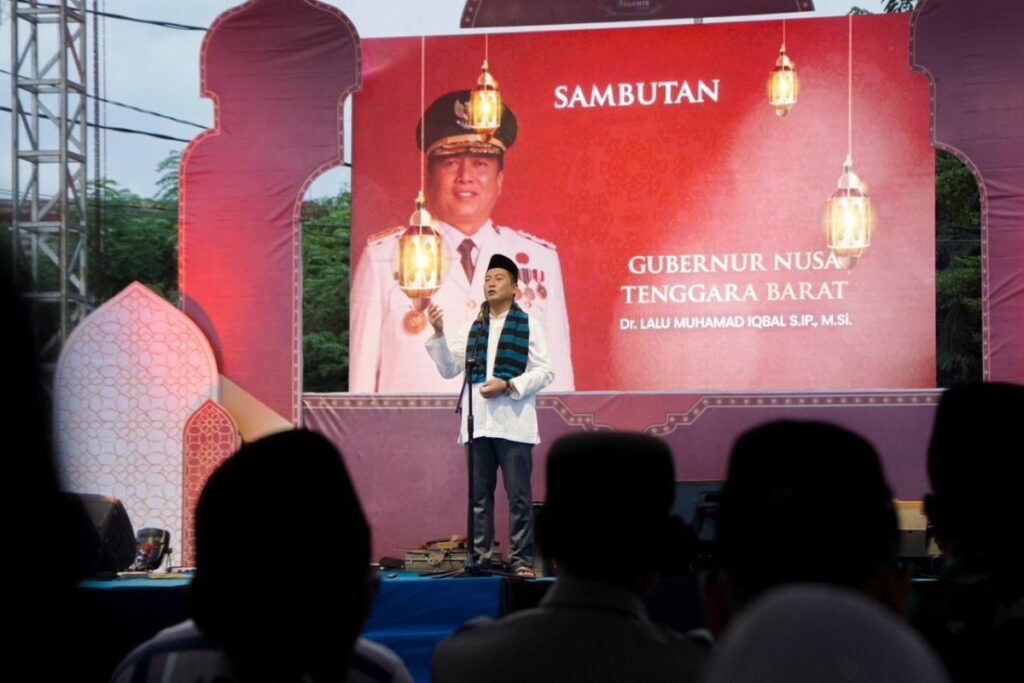
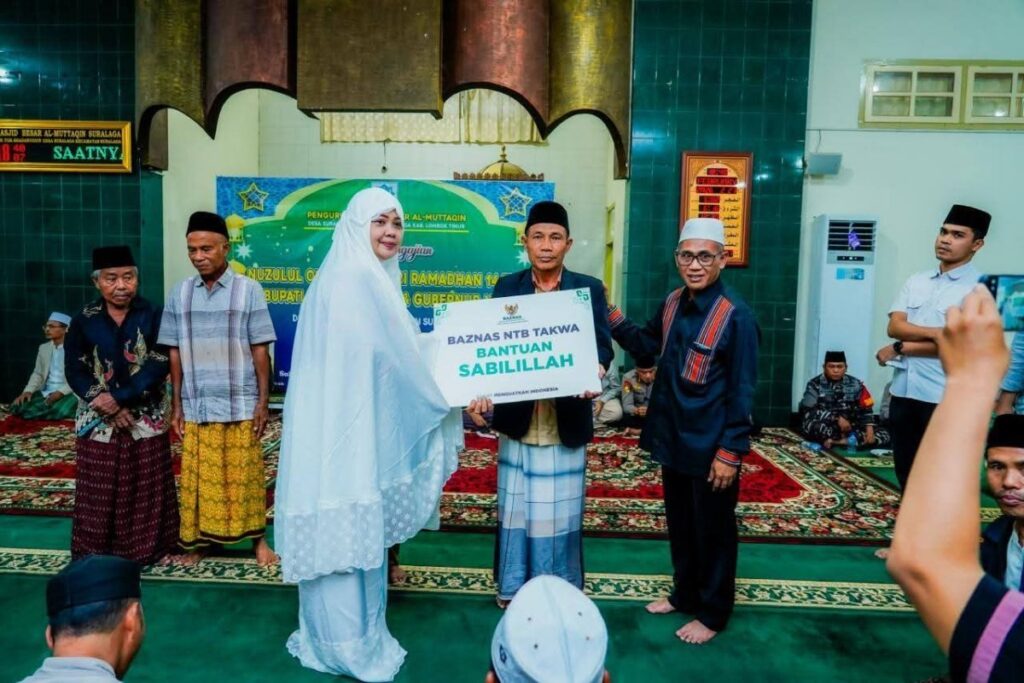
    Lombok Zone – The Governor of West Nusa Tenggara (NTB), Lalu Muhamad Iqbal, recently emphasized the strategic importance of East Lombok in the provincial development agenda. With a population nearing 1.5 million, representing almost a quarter of NTB’s total population of 5.7 million, East Lombok is seen as a crucial player in accelerating regional economic growth. This statement was made during the Ramadan Safari event at Al-Muttaqin Mosque in Suralaga, East Lombok, on Friday, February 27.

    Governor Iqbal pointed out that East Lombok boasts diverse geographical features, from mountainous areas to coastal regions, rich in agricultural and fisheries potential. Over the next four to five years, these resources will be systematically developed to ensure that East Lombok gains wider recognition, alongside significant advancements in local prosperity.

    Infrastructure and Educational Initiatives

    “If a majority of East Lombok’s residents are economically productive and robust, the regional and provincial income will rise significantly,” stated Governor Iqbal. A key focus since the onset of development has been the improvement of infrastructure, particularly the crucial roads that have remained neglected for 11 years, with repairs scheduled to start in 2025. Adequate infrastructure is viewed as the foundation for harnessing the region’s full potential.

    In the education sector, the construction of schools, including religious and vocational institutions, is ramping up. East Lombok is recognized as one of the regions with the highest number of educational establishments in NTB. Additionally, the government is implementing the Fisherman Village program aimed at bolstering the maritime and fisheries sector. The first successful Fisherman Village is located in Ekas, East Lombok, and there are plans to propose up to 40 new fisherman villages, with a significant number allocated to East Lombok.

    Empowering the Youth through Education

    Governor Iqbal also highlighted the progress of the People’s School initiative currently underway in East Lombok, West Lombok, and Sumbawa. Although this program is temporarily structured, it has already made a tangible difference, especially for children from extremely poor families. The People’s School accommodates children who have often never experienced formal education. After engaging in the program, significant changes are observed in their attitudes, motivation, and confidence levels.

    “This is evidence that education with the right approach can transform our children’s futures,” asserted Governor Iqbal. Looking ahead, the focus will not only be on strengthening the curriculum but also on adopting more humane and character-based teaching methods. Developing human resources is described as a collective responsibility, providing space for innovation in each school.

    Inclusive Education and Local Content Development

    Currently, the Central Government, alongside Provincial and District/City administrations, is restructuring the education system for greater inclusivity. Programs for the rehabilitation and digitalization of schools, as well as Operational School Assistance (BOS), will no longer differentiate between public and private schools, as long as they meet administrative requirements and actively offer educational services. Furthermore, the development of local content is gaining attention, as character and culture-based materials can reinforce identity and adapt learning to the community’s social realities.

    The government is also in the process of establishing an Education Council to enhance the management of education in NTB. With strong support from the Central Government and solid cross-regional coordination, coupled with the significant potential of East Lombok, NTB is optimistic about fostering a progressive, independent, and competitive society. “We want education in NTB to be non-discriminatory, based on local character, and managed with robust governance. With the synergy of all parties, God willing, NTB will continue to advance and become more competitive,” concluded Governor Iqbal.

    Notable attendees at the event included NTB Deputy Governor Indah Dhamayanti Putri, East Lombok Regent Haerul Warisin, and heads of relevant local government departments from both the Provincial and East Lombok administrations.

  • Minister Visits East Lombok to Boost Fishermen’s Welfare

    Minister Visits East Lombok to Boost Fishermen’s Welfare

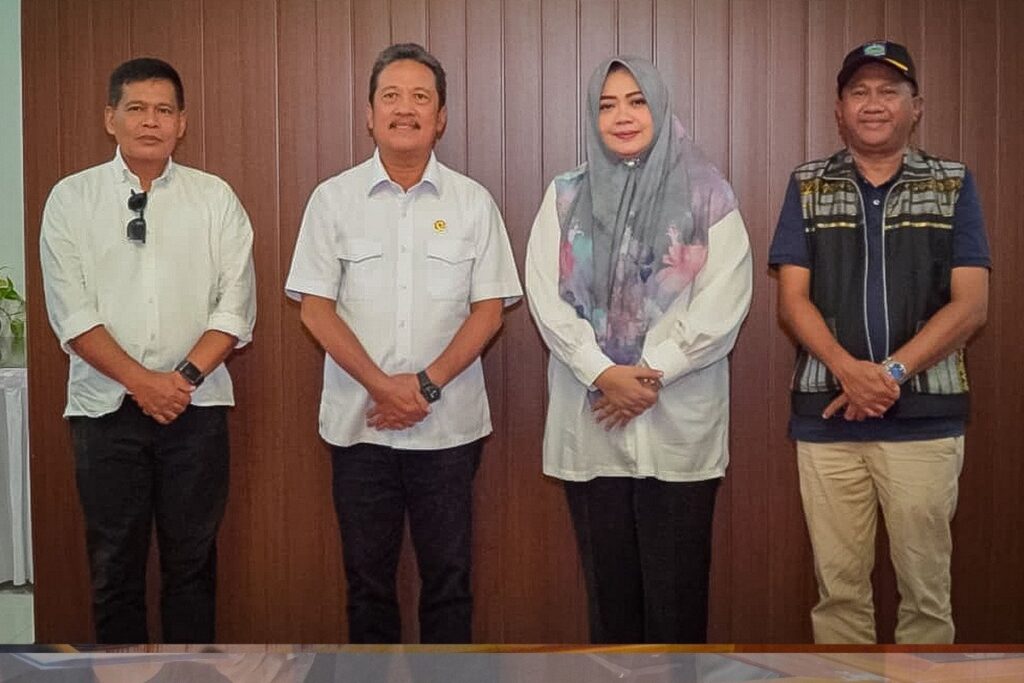
    Lombok Zone – On Friday, February 27, 2026, Indonesia’s Minister of Marine Affairs and Fisheries, Sakti Wahyu Trenggono, embarked on a work visit to Ekas Buana Village in Jerowaru District, East Lombok. Accompanied by NTB’s Acting Regional Secretary Lalu Moh Faozal and East Lombok Regent Haerul Warisin, the Minister reviewed the facilities at the Red and White Fishermen’s Village.

    During the visit, Minister Trenggono inspected the cold storage facility and ice manufacturing plant, emphasizing the government’s commitment to improving the welfare of local fishermen. He highlighted the area’s significant fisheries potential, especially in lobster commodities, and encouraged fishermen to transition from selling lobster seeds to cultivating them for higher added value.

    “We will also assist with 10 fishing boats and machinery. If you are catching lobster seeds, do not sell them; instead, cultivate them. If you lack farming nets, just request them from the Director General, and we will distribute them directly,” the Minister firmly stated in front of the fishermen.

    Regent Haerul Warisin expressed his appreciation for the support from the central government, noting that the Red and White Fishermen’s Village’s existence is strategic for enhancing marine tourism and floating culinary experiences in Ekas. However, he also pointed out the urgent needs of the fishermen, including the establishment of a fuel station for fishermen (SPBUN) and the rejuvenation of fishing boat engines.

    “The presence of the Red and White Fishermen’s Village greatly supports our tourism. However, there are still shortcomings; firstly, we need the SPBUN and replacements for damaged boat engines. Hopefully, we can receive assistance, especially with this 10-ton storage facility, allowing fishermen to avoid selling their catches at low prices, controlling prices through cooperative trading systems,” he remarked.

    The visit was also attended by the Deputy Regent of West Lombok, Nurul Adha, the Head of the NTB Marine and Fisheries Office, Muslim, and various officials from the Ministry of Marine Affairs and Fisheries.

  • Discover Sukma Rasa: A Culinary Gem in Lombok

    Discover Sukma Rasa: A Culinary Gem in Lombok

    Sukma Rasa: A Must-Visit Dining Spot

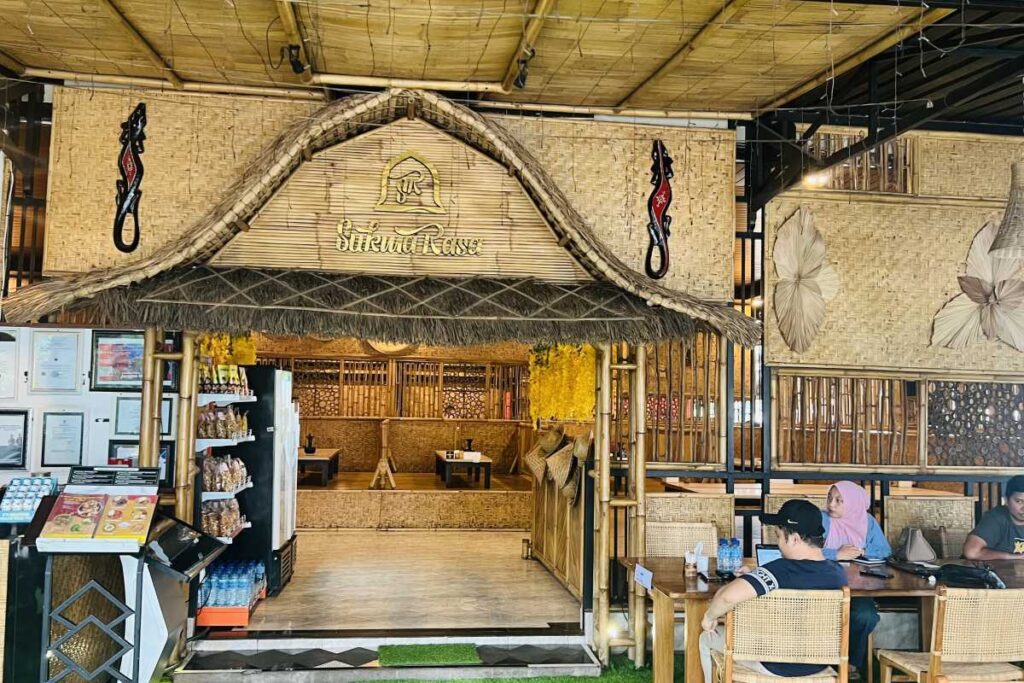
    Lombok Zone – If you’re in Lombok, particularly on TGH Lopan Street in Labuapi, make sure to visit Sukma Rasa, a local restaurant renowned for its delicious grilled chicken. The inviting atmosphere and great cuisine make it a popular choice among residents and tourists alike.

    The highlight of Sukma Rasa is undoubtedly their grilled chicken, which is celebrated for its marinated flavor and perfectly cooked texture. Each bite delivers a burst of savory goodness that keeps patrons returning for more.

    In addition to the delectable chicken, the restaurant offers a variety of other dishes that cater to different tastes, ensuring that there’s something for everyone. Whether you’re in the mood for spicy sides or refreshing salads, Sukma Rasa has a diverse menu that won’t disappoint.

    Accessibility is another aspect that sets Sukma Rasa apart. The establishment is equipped with facilities such as a mushola (prayer room) and toilet, making it a comfortable stop for families and travelers. The thoughtful amenities enhance the dining experience, allowing guests to relax and enjoy their meals without any hassle.

    Moreover, the cozy ambiance of Sukma Rasa adds to its charm. The warm, welcoming decor creates a pleasant environment suitable for casual dining. Whether you’re enjoying a meal with friends or having a family gathering, the restaurant’s atmosphere adds to the overall enjoyment.

    Don’t forget to take advantage of the friendly staff who are always ready to assist with recommendations and ensure you have a great dining experience. Their dedication to customer service is evident, making visits even more enjoyable.

    In summary, Sukma Rasa is more than just a place to eat; it’s a delightful culinary experience. From the tasty grilled chicken to the accommodating facilities, it promises a satisfying outing for anyone exploring the vibrant flavors of Lombok. Mark your calendars and drop by Sukma Rasa on your next trip!

  • Minister of Marine Affairs and Fisheries Visits Lombok to Boost Coastal Economy

    Minister of Marine Affairs and Fisheries Visits Lombok to Boost Coastal Economy

    Lombok Zone – The Vice Governor of West Nusa Tenggara, Hj. Indah Dhamayanti Putri, S.E, welcomed the Minister of Marine Affairs and Fisheries of Indonesia at the Zainuddin Abdul Majid International Airport in Lombok. Accompanied by the Acting Secretary of NTB and the Head of the NTB Marine and Fisheries Office, the minister’s arrival signals an important initiative for the region.

    Following the warm reception, the group proceeded to a local mosque for Friday prayers before heading to witness the construction site of the Red and White Fisherman Village (Kampung Nelayan Merah Putih, KNMP) in Ekas Buana Village, located in the Jerowaru District of East Lombok.

    This working visit is part of a broader effort to enhance the government’s priority programs in the marine and fisheries sector. The focus is on strengthening the blue economy, improving the welfare of fishermen, and ensuring successful implementation of the KNMP development programs across NTB.

    By engaging directly with local fishermen and inspecting the site, the minister hopes to promote tangible outcomes that will boost coastal economic growth and reinforce the independence of fishing communities in West Nusa Tenggara.

  • Taman Ayu Village: A Focus for NTB’s Empowerment Program

    Taman Ayu Village: A Focus for NTB’s Empowerment Program

    Lombok Zone – The village of Taman Ayu in the Gerung District has recently become a focal point in the West Nusa Tenggara (NTB) provincial government’s “Empowered Village” initiative. This area, rich in unique geographical traits, boasts significant tourism potential but faces a variety of complex economic and environmental challenges.

    During his visit on Thursday, February 26, 2026, NTB Governor Lalu Muhamad Iqbal emphasized that addressing poverty in Taman Ayu requires a comprehensive approach rather than piecemeal solutions. He introduced the concept of “Orchestration and Collaboration” to unify various existing programs that previously operated in isolation.

    “Poverty is a multifaceted phenomenon. We cannot tackle just one aspect, like waste management or disaster relief, and expect to eradicate poverty completely. All stakeholders — from the provincial and district levels to villages and private sectors — must work harmoniously together,” he asserted.

    Governor Iqbal detailed initial steps, which included verifying extreme poverty data. Out of an estimated 7,000 individuals, the actual number verified by supporting teams was found to be around 4,000.

    To tackle these issues, the provincial government has developed two intervention schemes:

    • Village Level: An allocation of approximately Rp 500 million aimed at strengthening village infrastructure and harnessing local potential.
    • Family Level: Direct interventions aimed at meeting the needs of targeted households.

    “Our focus is on food security and tourism. I urge village assistants not to start from scratch but to gather the existing pieces from programs like PKH or previous village initiatives,” he added.

    On the other hand, Taman Ayu’s village chief, Muhammad Tajudin, shared insights about the village’s geography, bordered by two major rivers, the Babak and Dodokan, and adjacent to the sea on the west and mountains on the east. Despite its natural beauty, each hamlet within Taman Ayu possesses a wealth of artistic traditions, including Wayang, Gamelan, Gendang Beleq, and weaving.

    However, Tajudin expressed deep concern over severe coastal erosion that has claimed approximately 70 hectares of beachfront, affecting 10 to 20 hectares of private land. “The erosion is drastic, shaping a crescent-like pattern when viewed on the Lombok map. We have communicated with the provincial authorities, but the costs of building a breakwater are substantial. Even the previously planted pine trees and existing groins have been swept away by the sea,” he explained.

    In addition to erosion, air pollution from the material trucks and coal dust around the PLTU site, along with garbage odors, pose challenges that undermine the appeal of this beautiful village.

    In line with the governor’s vision, Chief Tajudin noted their focus on addressing poverty among the most vulnerable groups. Taman Ayu has now established formal structures, including a Disability Forum and an Equal School Forum for women to ensure these groups remain empowered and included in the development process.

    The visit concluded with a lively discussion involving the Governor, provincial OPD officials, West Lombok government representatives, and local residents to formulate concrete steps to address coastal erosion and capitalize on Taman Ayu’s tourism potential as a catalyst for local economic growth.

  • Local Cooperatives in NTB Urged to Embrace Business Transformation and Seize Opportunities

    Local Cooperatives in NTB Urged to Embrace Business Transformation and Seize Opportunities

    Lombok Zone – The government of West Nusa Tenggara (NTB) is actively encouraging local cooperatives to evolve into robust business entities. A significant opportunity lies within the national Free Nutritious Meals (MBG) program, which has recently been launched in the region.

    During his address to the members of the Merah Putih Cooperative at Jembatan Kembar, Governor Lalu Muhamad Iqbal emphasized that cooperatives should be viewed as business institutions rather than social organizations. He urged members to shift their mindset and recognize that the success of a cooperative is dependent on the active participation of its members in transactions and the development of business units.

    “Cooperatives are business institutions founded by and for the members. I commend the Merah Putih Cooperative for taking the initiative to distribute essential commodities. This marks a promising start towards becoming a larger business entity,” he remarked during his visit to the KDMP Jembatan Kembar Timur Lembar on Thursday, February 26, 2026.

    To bolster capital strength, it was highlighted that a pool of Rp30 billion in People’s Business Credit (KUR) is currently available at Bank NTB, specifically designated for cooperatives and small-medium enterprises (SMEs). This low-interest funding is expected to act as a catalyst for cooperatives to elevate their business operations through well-structured business proposals.

    Governor Iqbal also stressed the importance of cooperatives’ involvement in the MBG program. Currently, there are over 800 MBG kitchens operating in NTB. However, local farmers supply only 30 percent of the egg demand, with the remainder coming from external sources.

    “This is a golden opportunity. Cooperatives can act as aggregators for the produce from their members’ households to supply the MBG kitchens. The demand is already established; it’s just about how cooperatives manage their supply chain,” he explained.

    Besides eggs, other commodities like chicken, milk, and bread present additional opportunities within the government’s food security framework.

    In conclusion, he encouraged all members to cultivate a sense of ownership towards their cooperatives by prioritizing shopping within their own cooperative instead of turning to modern retail outlets. This strategy is aimed at keeping economic circulation within the membership, ultimately benefiting them through the distribution of profit shares.

    Meanwhile, H. Ismail Darwan, the head of Jembatan Kembar Timur village, expressed his gratitude during his address, appreciating the governor’s visit, which he described as a long-awaited gesture of the provincial government’s commitment to rural development.

    “Thank goodness, our mothers have been patiently waiting to see the governor. We, as a community, extend our warm welcome and gratitude for your willingness to see our conditions firsthand,” he said.

    On the same occasion, Rustam Thamrin, the chairman of KDMP Jembatan Kembar Timur, reported on the cooperative’s progress. He explained that KDMP was established as a swift response to the President’s directive regarding food self-sufficiency.

    “Since May, we have swiftly recruited 96 members. Initially relying on a starting fund of Rp10 million, we began our business operations in September. Our management is dedicated, working through all weather conditions to procure goods from Bulog to serve our members,” Rustam reported.

    He added that in January, they secured a loan agreement of Rp25 million from Bank NTB to scale their business further. “With this significant capital, profits started to become evident. We are highly motivated to keep progressing,” he asserted.