Governor Iqbal Strengthens Village Economy Through Cooperatives
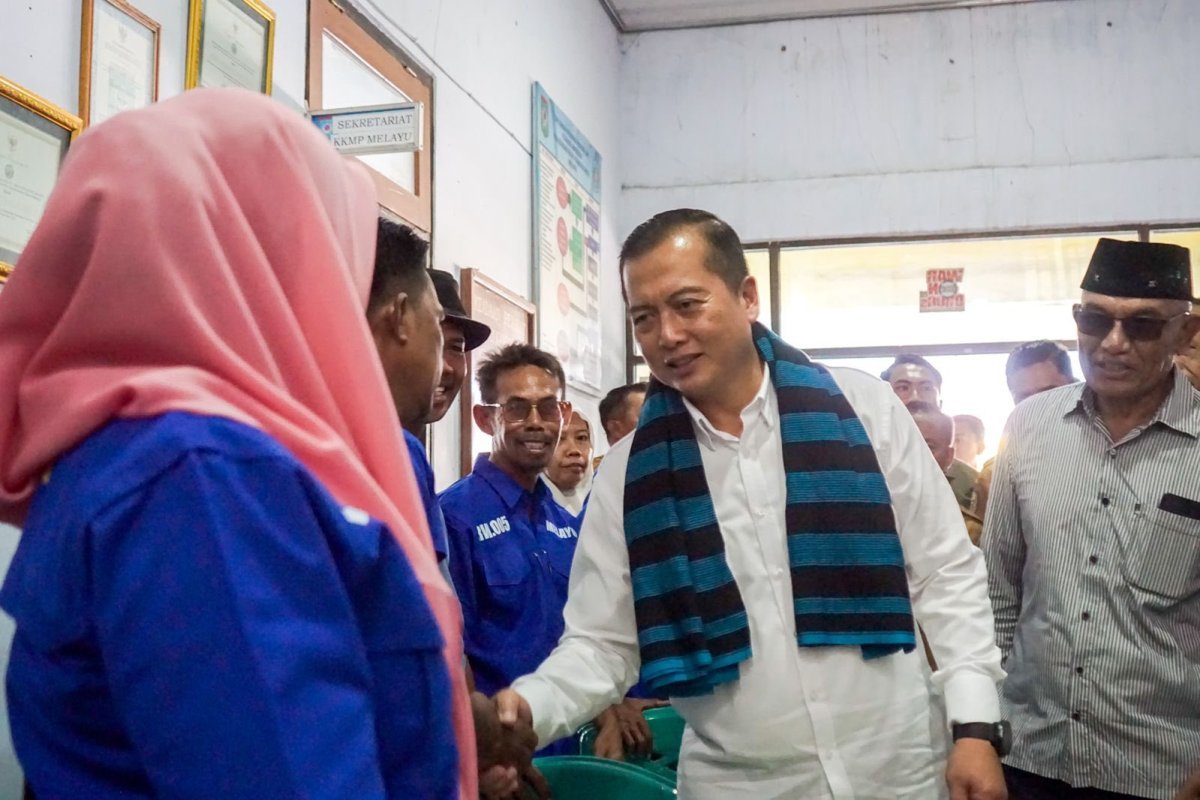
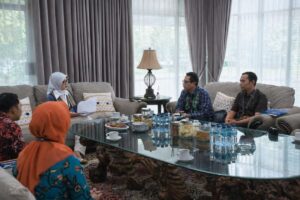
Lombok Zone – The Governor of West Nusa Tenggara (NTB), Lalu Muhamad Iqbal, has expressed his unwavering commitment to enhancing the village economy by promoting the development of cooperatives and community-based business ecosystems. His remarks came during a meeting with the management of the Merah Putih Melayu Asakota Cooperative in Bima City on Monday, March 2.
Governor Iqbal highlighted that the local government is poised to assist in advancing technology and formulating business plans to ensure that cooperatives and village enterprises operate effectively. He also mentioned that support would be provided to facilitate access to capital through banking channels.
“We will help draft the business plans to enable them to apply for bank loans. It’s crucial that these cooperatives are engaged in actual business, not just operating storefronts,” he stressed.
He pointed out that the distribution chain for agricultural products has been excessively lengthy, resulting in farmers not reaping optimal profits. The produce goes through various intermediaries before reaching the market, which adversely affects the farmers’ bargaining power.
The cooperative concept championed by the government aims to shorten this distribution chain. With cooperatives, farmers can sell their products directly to the market or end buyers, thereby improving their bargaining position in price negotiations.
Governor Iqbal also encouraged the development of productive enterprises in villages, such as small-scale egg-laying poultry farms and greenhouse horticulture. These business models are considered practical for meeting local market demands while reducing dependence on external supplies.
He cited that through collective chicken coop management, villages could produce thousands of eggs weekly, marketed via cooperatives. Similarly, cultivating chili and daily consumption vegetables could satisfy high community demand.
During the event, he also provided support in the form of infrastructure and equipment to the Merah Putih Melayu Asakota Cooperative, underscoring the government’s tangible commitment to accelerate cooperative operations and business development in the villages.
He reiterated that strengthening the village economy transcends mere political discourse; it is a significant endeavor towards improving community welfare. “If it’s about politics, we can discuss it in its own arena. However, addressing the economic concerns of the people is a task we must undertake together,” he concluded.

Rekomendasi untuk Anda
Selengkapnya