Tag: agriculture

  • NTB Government and ID FOOD Sign MoU for Integrated Poultry Industry Development

    NTB Government and ID FOOD Sign MoU for Integrated Poultry Industry Development

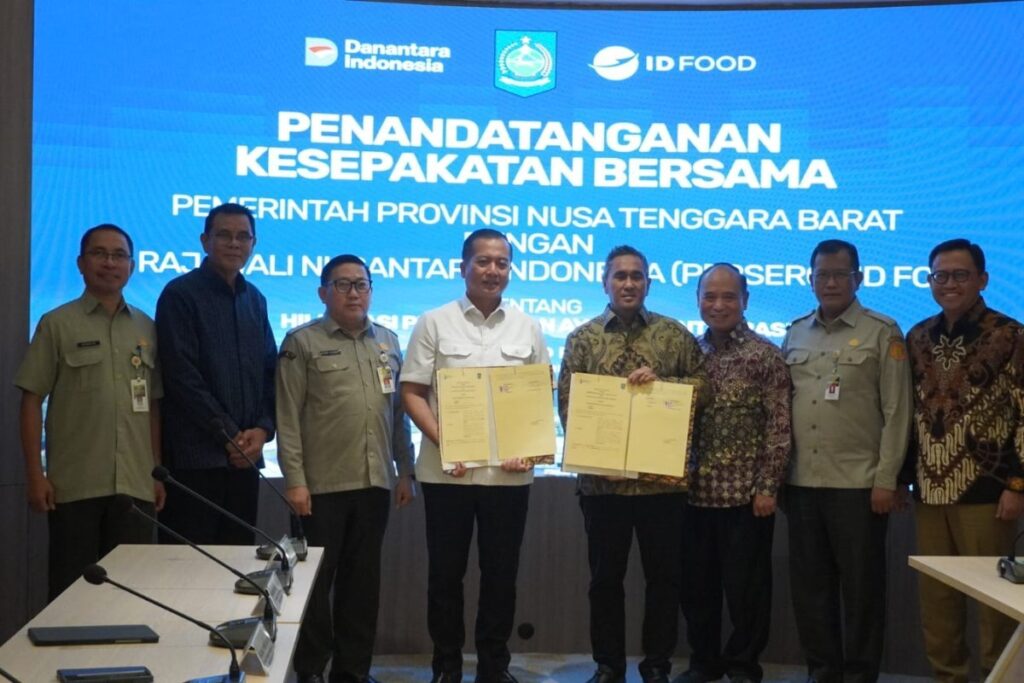
    Lombok Zone – The regional government of West Nusa Tenggara (NTB) has officially partnered with PT Rajawali Nusantara Indonesia (ID FOOD) to enhance the local poultry industry. This new agreement aims to strengthen food security and promote a sustainable agricultural sector.

    On March 9, 2026, the signing of the Memorandum of Understanding (MoU) took place in Jakarta, presided over by NTB Governor H. Lalu Muhamad Iqbal and ID FOOD CEO Ghimoyo. The event was also attended by Dr. drh. Agung Suganda, M.Si, the Director General of Livestock and Animal Health from the Indonesian Ministry of Agriculture, alongside key regional officials.

    This collaboration signifies a strategic move by the NTB government to develop a fully integrated poultry ecosystem, aiming to boost the regional economy towards a more productive and modern framework.

    Governor Iqbal emphasized the initiative’s importance, stating that it transcends typical investment in the livestock sector. He described it as a vital strategy to uplift the livelihoods of local farmers and enhance regional food independence. “This is not just another investment project for NTB; it’s a strategic step to bolster a fairer livestock ecosystem that empowers farmers,” he noted.

    The governor highlighted the current dominance of large enterprises in key areas of the poultry industry, such as day-old chicks (DOC) and feed, which has limited the growth potential of local farmers. The establishment of this integrated poultry industry in NTB aims to create a more resilient business structure, providing more opportunities for local farmers to thrive independently.

    Additionally, NTB faces a significant deficit in the supply of poultry products, especially eggs and chicken meat, still relying largely on external sources. With the rising demand for food from the national program for free nutritious meals, the need for poultry products is projected to surge.

    Governor Iqbal pointed out that the current beneficiaries of this initiative approach a thousand service units, indicating a continuous growth in the demand for food supplies, including poultry products. Therefore, developing an integrated poultry industry is crucial for ensuring food supply resilience and creating new economic opportunities for NTB residents.

    The NTB government is committed to providing comprehensive support for the project, including logistics connectivity, infrastructure enhancement, and strengthening the local livestock business ecosystem. “We will do everything we can to ensure this project runs smoothly and benefits our community,” he stated.

    This MoU follows the groundbreaking of a mega integrated poultry project valued at IDR 1.2 trillion, which already commenced in Serading Village, Moyo Hilir District, Sumbawa Regency. This ambitious initiative aims to establish a modern poultry industry framework that covers everything from providing quality breeds and feed to production and distribution.

    Ghimoyo, the CEO of ID FOOD, elaborated on the company’s strengths, mentioning its robust capacity to enhance the national livestock sector through extensive logistics, distribution networks, and food processing capabilities. ID FOOD boasts a wide distribution network with 74 distribution branches, 24 cold storage facilities, and over 900 logistics vehicles across Indonesia.

    This partnership will see ID FOOD develop an integrated farming ecosystem in NTB throughout various production value chain stages. At the upstream level, the company will support essential farming needs such as superior breeds, feed, medication, and vaccines. During production, local farmers will be encouraged to expand their businesses through contract farming and off-take agreements, ensuring market certainty for their products.

    Furthermore, farmers will receive training, technical assistance, and access to financing options, including investment credits and working capital loans. At the downstream level, ID FOOD will enhance poultry processing through facilities for slaughtering, carcass processing, and product packaging, which will then be distributed through its national network.

    Dr. drh. Agung Suganda also reinforced the strategic national significance of the integrated poultry project. He noted that it not only establishes production facilities but also builds a poultry industry ecosystem that includes local farmers as key players in the production chain. NTB has been identified as a primary cluster for the national integrated poultry project development due to its substantial regional potential and strong local government support.

    In light of the MoU, ID FOOD is set to conduct further field surveys in Sumbawa to ensure the technical and operational readiness of the project site. This phase is crucial to guarantee that the integrated poultry industry can develop on time and effectively benefit the local community. The collaboration among central and local governments, state-owned enterprises, and local farmers is expected to serve as a new driver for the regional economy while reinforcing national food security from West Nusa Tenggara.

  • Strengthening the Role of KDMP Samili in Bima’s Economic Growth

    Strengthening the Role of KDMP Samili in Bima’s Economic Growth

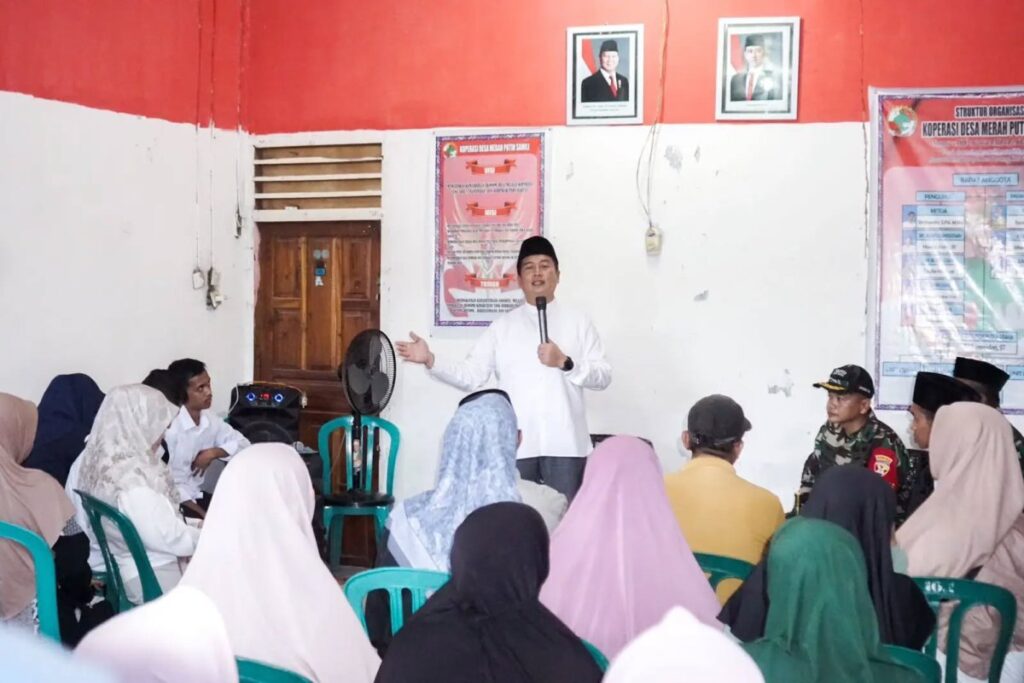
    Lombok Zone – The Governor of West Nusa Tenggara, Lalu Muhamad Iqbal, is advocating for the enhancement of the role of the Merah Putih Village Cooperative (KDMP) in Samili, Tente, Bima Regency. On March 3, 2026, he emphasized the cooperative’s importance as a central distribution hub for essential goods and a catalyst for local economic activity.

    Established in May 2025, KDMP has grown to include 600 members and is primarily focused on distributing rice in collaboration with local milling operations. Additionally, the cooperative facilitates the distribution of fertilizers, managing approximately 10 to 15 sacks at a time. To ensure a more structured and sustainable supply chain, the NTB Provincial Government plans to introduce a Governor’s Regulation (Pergub) concerning the distribution of essentials through KDMP.

    Governor Iqbal asserted, “This cooperative must evolve into a robust business unit, not just a social organization. Members need to begin engaging in business. We aim for essential goods distribution to be led by village cooperatives to stimulate local economies.”

    He also mentioned that the Indonesian Armed Forces (TNI) would lend support in establishing cooperative outlets should any challenges arise. For cooperatives lacking land of at least 10 ares, potential sites include local high schools (SMA and SMK), contingent upon further coordination.

    On the financial front, Governor Iqbal shared that KDMP could utilize the People’s Business Credit (KUR) scheme from Bank NTB, which will offer a 5.7 percent interest rate starting in June. Furthermore, the provincial government will subsidize this interest rate.

    “Feel free to take advantage of KUR from Bank NTB with the 5.7 percent interest rate. From June onwards, we will subsidize the interest. Therefore, it’s crucial for the cooperative to meticulously structure its business plan so that this venture can operate and flourish effectively,” he stated.

    With regulatory support, financing options, and cross-sector collaboration, KDMP Samili is expected to evolve into a key distribution center for essential goods, while driving economic independence for the communities in Woha and surrounding areas.

  • Governor Iqbal Strengthens Village Economy Through Cooperatives

    Governor Iqbal Strengthens Village Economy Through Cooperatives

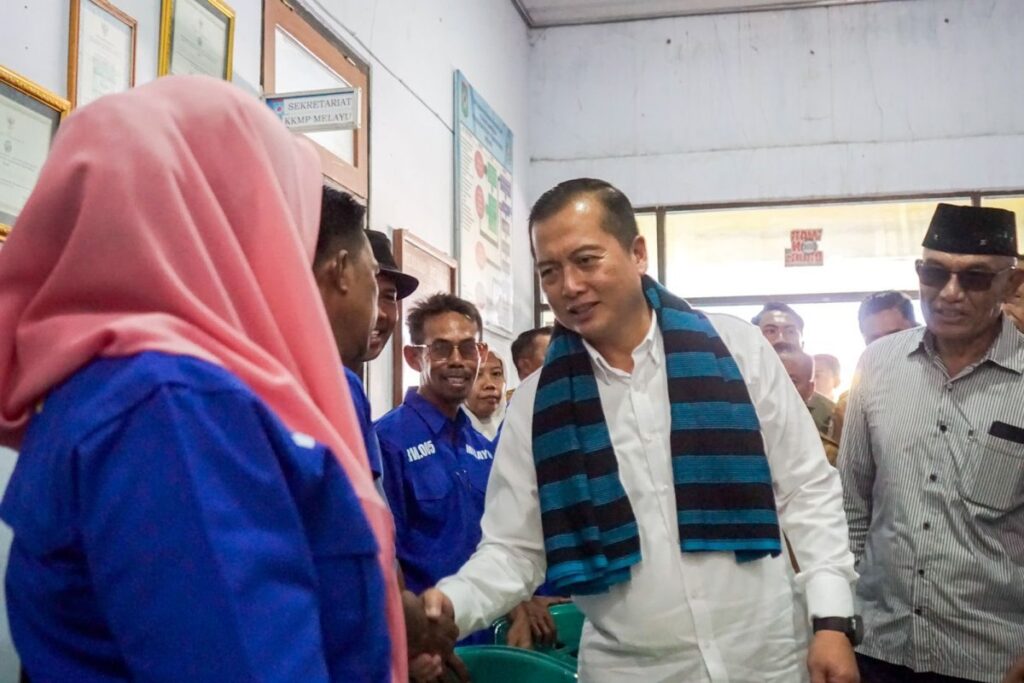
    Lombok Zone – The Governor of West Nusa Tenggara (NTB), Lalu Muhamad Iqbal, has expressed his unwavering commitment to enhancing the village economy by promoting the development of cooperatives and community-based business ecosystems. His remarks came during a meeting with the management of the Merah Putih Melayu Asakota Cooperative in Bima City on Monday, March 2.

    Governor Iqbal highlighted that the local government is poised to assist in advancing technology and formulating business plans to ensure that cooperatives and village enterprises operate effectively. He also mentioned that support would be provided to facilitate access to capital through banking channels.

    “We will help draft the business plans to enable them to apply for bank loans. It’s crucial that these cooperatives are engaged in actual business, not just operating storefronts,” he stressed.

    He pointed out that the distribution chain for agricultural products has been excessively lengthy, resulting in farmers not reaping optimal profits. The produce goes through various intermediaries before reaching the market, which adversely affects the farmers’ bargaining power.

    The cooperative concept championed by the government aims to shorten this distribution chain. With cooperatives, farmers can sell their products directly to the market or end buyers, thereby improving their bargaining position in price negotiations.

    Governor Iqbal also encouraged the development of productive enterprises in villages, such as small-scale egg-laying poultry farms and greenhouse horticulture. These business models are considered practical for meeting local market demands while reducing dependence on external supplies.

    He cited that through collective chicken coop management, villages could produce thousands of eggs weekly, marketed via cooperatives. Similarly, cultivating chili and daily consumption vegetables could satisfy high community demand.

    During the event, he also provided support in the form of infrastructure and equipment to the Merah Putih Melayu Asakota Cooperative, underscoring the government’s tangible commitment to accelerate cooperative operations and business development in the villages.

    He reiterated that strengthening the village economy transcends mere political discourse; it is a significant endeavor towards improving community welfare. “If it’s about politics, we can discuss it in its own arena. However, addressing the economic concerns of the people is a task we must undertake together,” he concluded.

  • Sumbawa’s Economic Transformation: Key Developments in 2023

    Sumbawa’s Economic Transformation: Key Developments in 2023

    Driving Economic Change in Sumbawa

    Lombok Zone – The Sumbawa Regency government is making significant strides in its economic transformation under the flagship Program 05 Jarot–Ansori. This initiative focuses on the industrialization of local products and the boost of strategic investments in the region.

    In partnership with Deputy Regent Drs. H. Mohamad Ansori, Regent Ir. H. Syarafuddin Jarot is committed to enhancing the downstream processes in agriculture, fisheries, and local resources to provide greater economic value to the community.

    Key Progress in the First Year

    During the initial year of their administration, several notable achievements have been secured:

    • Integrated Chicken Downstreaming: The local government has facilitated a significant investment of approximately Rp1.3 trillion for the integrated chicken project in Serading, which has entered the groundbreaking phase. This project aims to strengthen the livestock production chain from upstream to downstream, creating new job opportunities.
    • Development of Salt Industrial Area: In addition to livestock, the government is promoting the salt industry by consolidating around 10,000 hectares of land in the Plampang–Empang region. This sector has an estimated investment potential of Rp2.5 trillion, aiming to position Sumbawa as a national salt production hub.
    • Preparation for National Strategic Aquaculture Project: The local administration has proposed the development of shrimp aquaculture in the Moyo Utara area as part of the National Strategic Project (PSN), with a potential investment of about Rp2.1 trillion. This program is expected to enhance economic growth and competitiveness in the fisheries sector.

    Strengthening Government and Private Sector Synergy

    These investment initiatives are being executed through active collaborations involving the local government, the NTB Provincial Government, and strategic private partners. This approach aims to ensure regulatory certainty, infrastructure support, and sustained investments.

    Policy Review: Shifting from Production to Added Value

    The realization of Program 05 indicates that Sumbawa’s development focus is shifting from merely producing primary commodities to fostering a value-added economy through industrialization.

    This transformation is crucial, as previously, most local commodities were sold in raw form, limiting the economic benefits to the community. By emphasizing downstream processes and industrialization, the anticipated benefits include:

    • Creation of new job opportunities
    • Growth of local processing industries
    • Increased income for farmers, ranchers, and fishermen
    • Enhanced Local Revenue Sources

    From a budgeting perspective, this policy reflects a strategic development approach that doesn’t solely rely on regional budget spending (APBD) but optimizes private investment to drive regional economic growth. As a result, the APBD can be focused on providing essential infrastructure, regulations, and investment facilitation.

    This effort demonstrates that in their first year, the Jarot–Ansori administration has laid the groundwork for a long-term economic transformation aimed at sustainably improving the welfare of the community.