Tag: economy

  • Strengthening the Role of KDMP Samili in Bima’s Economic Growth

    Strengthening the Role of KDMP Samili in Bima’s Economic Growth

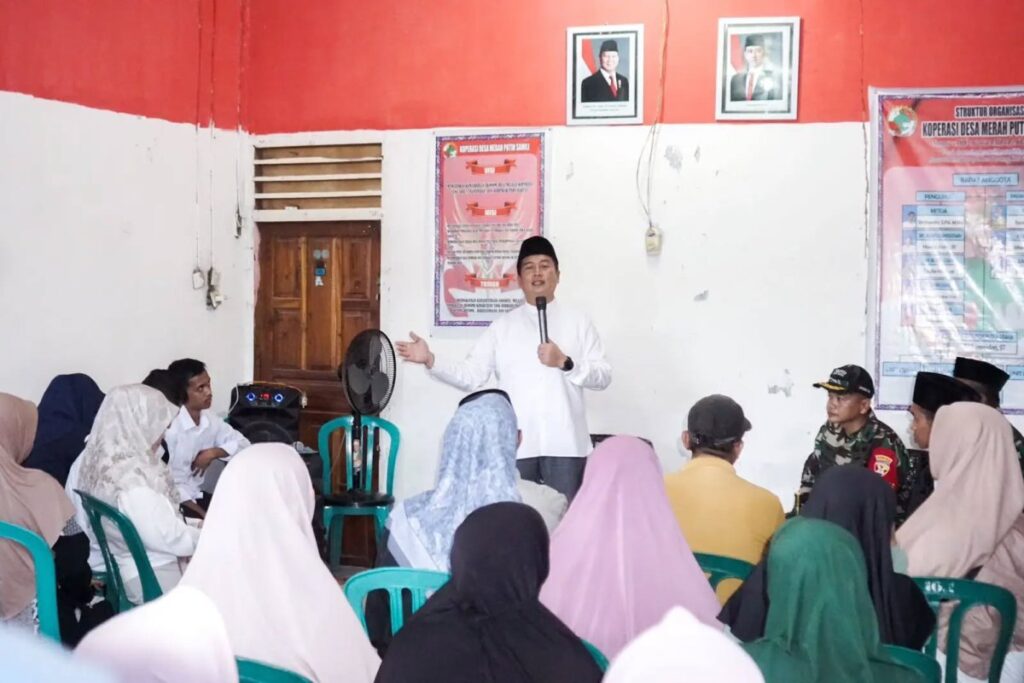
    Lombok Zone – The Governor of West Nusa Tenggara, Lalu Muhamad Iqbal, is advocating for the enhancement of the role of the Merah Putih Village Cooperative (KDMP) in Samili, Tente, Bima Regency. On March 3, 2026, he emphasized the cooperative’s importance as a central distribution hub for essential goods and a catalyst for local economic activity.

    Established in May 2025, KDMP has grown to include 600 members and is primarily focused on distributing rice in collaboration with local milling operations. Additionally, the cooperative facilitates the distribution of fertilizers, managing approximately 10 to 15 sacks at a time. To ensure a more structured and sustainable supply chain, the NTB Provincial Government plans to introduce a Governor’s Regulation (Pergub) concerning the distribution of essentials through KDMP.

    Governor Iqbal asserted, “This cooperative must evolve into a robust business unit, not just a social organization. Members need to begin engaging in business. We aim for essential goods distribution to be led by village cooperatives to stimulate local economies.”

    He also mentioned that the Indonesian Armed Forces (TNI) would lend support in establishing cooperative outlets should any challenges arise. For cooperatives lacking land of at least 10 ares, potential sites include local high schools (SMA and SMK), contingent upon further coordination.

    On the financial front, Governor Iqbal shared that KDMP could utilize the People’s Business Credit (KUR) scheme from Bank NTB, which will offer a 5.7 percent interest rate starting in June. Furthermore, the provincial government will subsidize this interest rate.

    “Feel free to take advantage of KUR from Bank NTB with the 5.7 percent interest rate. From June onwards, we will subsidize the interest. Therefore, it’s crucial for the cooperative to meticulously structure its business plan so that this venture can operate and flourish effectively,” he stated.

    With regulatory support, financing options, and cross-sector collaboration, KDMP Samili is expected to evolve into a key distribution center for essential goods, while driving economic independence for the communities in Woha and surrounding areas.

  • Governor Iqbal Strengthens Village Economy Through Cooperatives

    Governor Iqbal Strengthens Village Economy Through Cooperatives

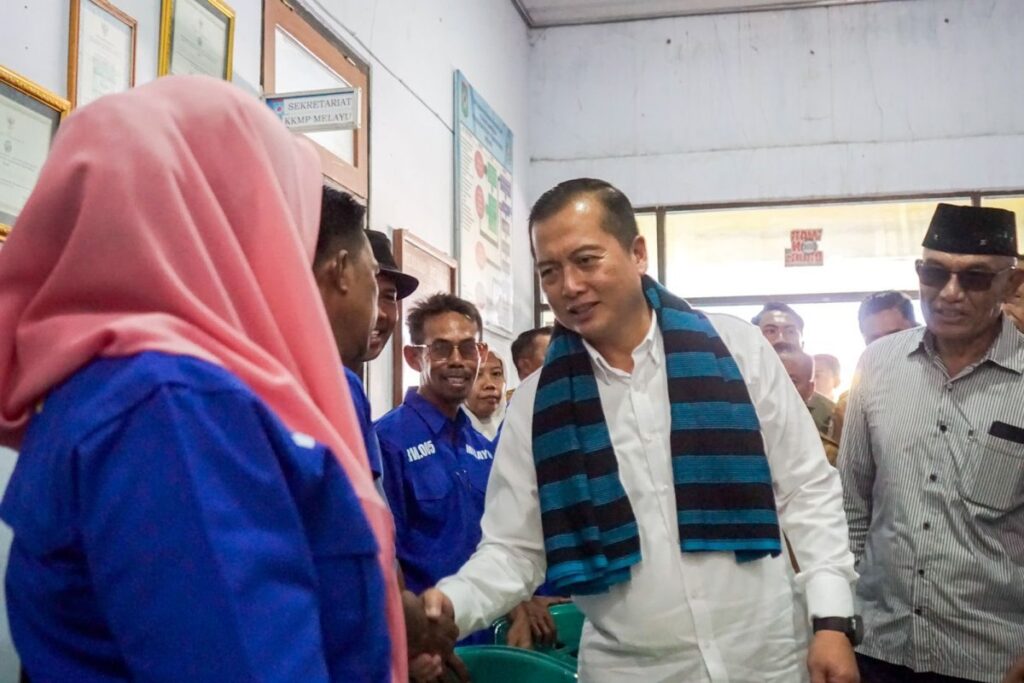
    Lombok Zone – The Governor of West Nusa Tenggara (NTB), Lalu Muhamad Iqbal, has expressed his unwavering commitment to enhancing the village economy by promoting the development of cooperatives and community-based business ecosystems. His remarks came during a meeting with the management of the Merah Putih Melayu Asakota Cooperative in Bima City on Monday, March 2.

    Governor Iqbal highlighted that the local government is poised to assist in advancing technology and formulating business plans to ensure that cooperatives and village enterprises operate effectively. He also mentioned that support would be provided to facilitate access to capital through banking channels.

    “We will help draft the business plans to enable them to apply for bank loans. It’s crucial that these cooperatives are engaged in actual business, not just operating storefronts,” he stressed.

    He pointed out that the distribution chain for agricultural products has been excessively lengthy, resulting in farmers not reaping optimal profits. The produce goes through various intermediaries before reaching the market, which adversely affects the farmers’ bargaining power.

    The cooperative concept championed by the government aims to shorten this distribution chain. With cooperatives, farmers can sell their products directly to the market or end buyers, thereby improving their bargaining position in price negotiations.

    Governor Iqbal also encouraged the development of productive enterprises in villages, such as small-scale egg-laying poultry farms and greenhouse horticulture. These business models are considered practical for meeting local market demands while reducing dependence on external supplies.

    He cited that through collective chicken coop management, villages could produce thousands of eggs weekly, marketed via cooperatives. Similarly, cultivating chili and daily consumption vegetables could satisfy high community demand.

    During the event, he also provided support in the form of infrastructure and equipment to the Merah Putih Melayu Asakota Cooperative, underscoring the government’s tangible commitment to accelerate cooperative operations and business development in the villages.

    He reiterated that strengthening the village economy transcends mere political discourse; it is a significant endeavor towards improving community welfare. “If it’s about politics, we can discuss it in its own arena. However, addressing the economic concerns of the people is a task we must undertake together,” he concluded.

  • Seaplane Services Set to Transform Connectivity in NTB

    Seaplane Services Set to Transform Connectivity in NTB

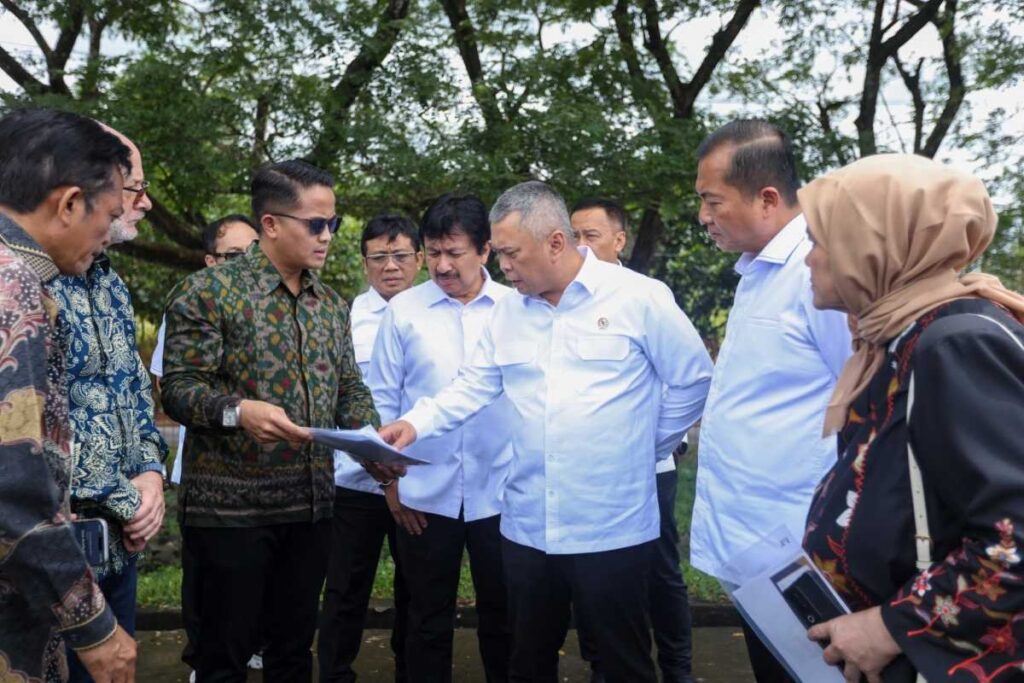
    Lombok Zone – On February 28, 2026, a significant milestone was marked with the signing of a Memorandum of Understanding aimed at developing seaplane services in NTB. The agreement was executed by NTB Governor Lalu Muhamad Iqbal, Central Lombok Regent H. Lalu Fathul Bahri, and PT Abadi Mega Angkutan, in the presence of Indonesia’s Minister of Transportation Dudy Purwagandhi. This initiative is not merely a new tourism route; it’s a foundational step toward enhancing connectivity across the islands of NTB.

    The push for improved connectivity aligns with the regional development goals articulated in the RPJMD, which emphasizes quality tourism, effective connectivity, and the blue economy as key competitive pillars. For an archipelagic province like NTB, robust connectivity is a prerequisite for equitable growth.

    Governor Iqbal understands the challenges posed by NTB’s numerous smaller islands, where accessibility often hampers potential development. While marine transport remains essential, its reliance on weather conditions can lead to lengthy travel times, sometimes lasting several hours. In contrast, seaplane services could significantly reduce these durations to mere minutes, representing a major leap in travel efficiency.

    Choosing the Batujai Dam as the operational base for the seaplane services was a decision backed by meticulous technical calculations. Its proximity to Zainuddin Abdul Madjid International Airport allows for several operational advantages:

    • Centralized Air Traffic Control (ATC) enhances communication and oversight, minimizing operational fragmentation.
    • Efficient navigation is achieved due to the close distance to essential infrastructure, reducing the need for expensive separate systems.
    • Integrated facilities lower duplication costs, improving the project’s financial viability.
    • Safety protocols benefit from quicker emergency response due to the alignment with the international airport’s operational ecosystem.

    Thus, the choice of Batujai was driven by aviation logic and safety standards rather than aesthetic considerations. The development roadmap emphasizes a phased and measured approach, starting with:

    • Ensuring the waterbase meets aviation safety standards and Ministry of Transportation regulations.
    • Synchronizing licensing and operational SOPs, including procedures for water aerodromes.
    • Constructing environmentally friendly facilities.
    • Conducting operational trials prior to route expansion.

    Coordination with dam management will ensure that the primary functions of irrigation remain protected. The seaplane operations are designed to coexist with existing infrastructure without compromising water governance or safety.

    From an economic perspective, the seaplane initiative supports a strategy of low-volume, high-value tourism, wherein controlled tourist numbers yield greater economic contributions. Its impact extends beyond just aviation operators to:

    • Boosting visits to smaller islands.
    • Increasing occupancy rates for homestays and eco-resorts.
    • Fostering the growth of coastal SMEs.
    • Enhancing local tourism revenue.

    In a 5–10 year outlook, this swift connectivity could stimulate investments in small island resorts, broaden the conservation tourism market, and streamline logistics for high-value fish commodities.

    This air-water connectivity also has cross-sector implications:

    • It promotes the blue economy by facilitating the mobility of entrepreneurs and investors.
    • It enables emergency medical access from remote islands.
    • It strengthens regional links among Bali, NTB, and NTT in tourism and investment flows.
    • It acts as a catalyst for sustainability-focused areas that blend conservation with local economic growth.

    In conclusion, the seaplane initiative is not just a standalone project; it is a pivotal hub for integrating policies that encompass tourism, fisheries, investment, and sustainable development. Public apprehensions regarding the elitism of the service are being addressed, as initial premium segments are set to unlock broader economic benefits through job creation, SME partnerships, and local services.

    Concerns about environmental friendliness are also being tackled, with facilities designed according to green principles and safety regulations that ensure economic growth aligns with sustainability.

    The policy is built on transparency and accountability, foundational elements that will help earn public legitimacy. NTB’s differentiated advantage of an integrated waterbase with an international airport strengthens its position in the national and regional tourism map.

    Governor Iqbal emphasizes that this initiative transforms NTB from merely being a prime destination into a connected and competitive archipelagic ecosystem. The Batujai seaplane service marks not the end, but the beginning of a strategic repositioning for NTB, showcasing its ability to manage its geography intelligently and sustainably. If executed consistently, this policy will not just open access to hundreds of islands but also usher in a new chapter of equitable, modern, and sustainable development.

  • NTB Government Pushes for Quick Resolution of Mining Permits

    NTB Government Pushes for Quick Resolution of Mining Permits

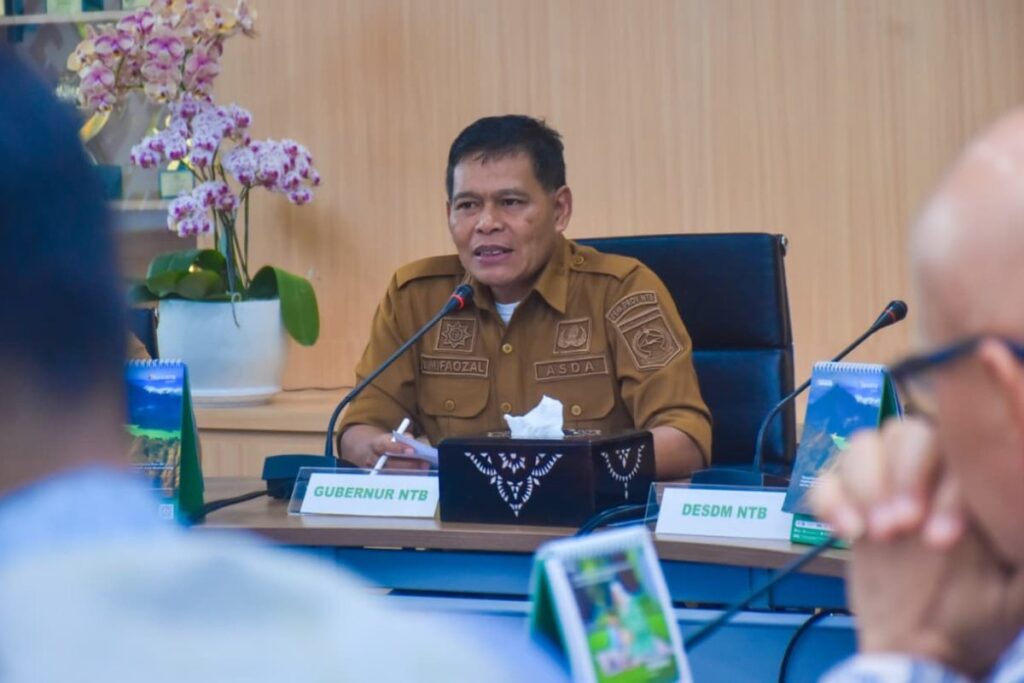
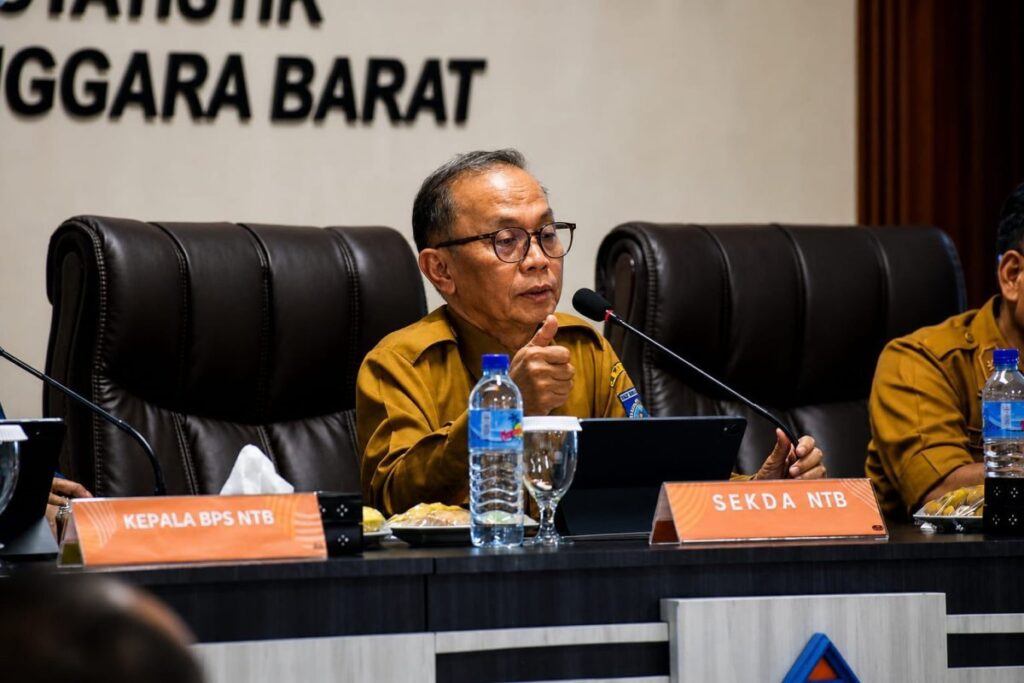
    Lombok Zone – The local government of Nusa Tenggara Barat (NTB) is taking decisive action to expedite the mining permit process for small-scale miners. This initiative was highlighted during a Focus Group Discussion (FGD) held on February 24, 2026, at the Bank NTB Syariah building. Representing NTB’s Governor, the Regional Secretary H. Lalu Moh. Faozal emphasized the critical need to accelerate the issuance of Mining Permits (Izin Pertambangan Rakyat, IPR) as a way to combat the prevalence of illegal mining and address the decline in regional revenue.

    He pointed out that NTB’s fiscal situation is currently under stress due to a significant cut in the Transfer to Regions (TKD) fund by the central government, amounting to IDR 1.2 trillion. “The potential of IPR can be a lifesaver for NTB in terms of local revenue. We contribute significantly to the national economy, but our fiscal health is not in good shape,” he stated.

    Despite having received 16 IPR proposals, only one location has successfully moved forward as a pilot project, situated in Selanong, Bukit Mas Bangket. However, there are still technical challenges related to post-mining reclamation and the readiness of mining cooperatives’ administrative matters that need to be resolved.

    One of the main obstacles identified is the differing interpretations of regulations among three sectors: Energy and Mineral Resources (ESDM), Environment (LHK), and Cooperatives. This lack of synchronization is perceived to potentially create legal loopholes.

    “We do not want the local government to become merely a ‘student’ of law enforcement agencies subsequently due to misinterpretations of regulations. That is why we invited the police and prosecutors to supervise this process to ensure transparency and accountability,” he asserted.

    During the FGD, the NTB government outlined four strategic steps: identifying mining management issues, formulating a transparent legalization strategy, promoting cross-sectoral synergies (central and regional government, law enforcement), and developing sustainable policy recommendations.

    This initiative is also expected to accelerate discussions on the regional legislative initiative concerning mining. Interestingly, NTB’s commitment to regulating IPR has drawn national attention, as evidenced by a recent study visit from the Gorontalo provincial government.

    “The community has been waiting. We can no longer postpone. The swift implementation of regulations is key to transforming illegal mining into a legal sector that benefits the people,” he concluded.

    Earlier, the Head of the NTB Energy and Mineral Resources Office, Samsudin, provided an update on the progress of IPR in the region. He revealed that out of the 16 proposals received, only one has advanced as a pilot project, located in Bukit Selonong, Sumbawa. However, he acknowledged that its operations are still far from optimal.

    “The project in Selonong is a dummy, but on the ground, we are still facing environmental issues related to post-mining reclamation and unresolved internal cooperative administrative issues,” he explained further.

    The ESDM head highlighted the ‘conflict’ of regulations among the three key sectors: ESDM, Environment, and Cooperatives. These differing interpretations of rules have hindered the legalization process, while demands from mining communities continue to rise through various forms of expression.

    In response, they held a strategic FGD to formulate the acceleration of IPR legalization. The main focus is to align cross-sector policies and involve law enforcement agencies to ensure a robust legal framework for the licensing process.

    “We aim to identify current issues and develop policy recommendations that ensure the welfare of the people without neglecting environmental preservation,” he concluded.

  • Mendagri Emphasizes Regional Strategy for Inflation Control in 2025

    Mendagri Emphasizes Regional Strategy for Inflation Control in 2025

    Mataram – In response to evolving economic conditions, regional governments in Indonesia are urged to collaborate effectively and devise precise strategies to manage inflation in 2025. This was emphasized by the Minister of Home Affairs, Tito Karnavian, during a coordination meeting organized virtually by the Ministry of Home Affairs on Tuesday, September 2, 2025.

    The meeting was attended by several national officials, including the Coordinating Minister for Food Affairs, Zulkifli Hasan; the Head of the Presidential Office, AM Putranto; the Head of the Presidential Communication Office, Hasan Nasbi; the Head of the Central Statistics Agency (BPS), Amalia Adininggar Widyasanti; and the Head of the National Food Agency, H. Arief Prasetyo Ad. Minister Tito Karnavian urged regional leaders to focus on initiatives that directly address public needs, such as the distribution of rice through the Stabilization of Supply and Food Prices (SPHP) program, conducting affordable market operations, and implementing programs that help stabilize basic commodity prices.

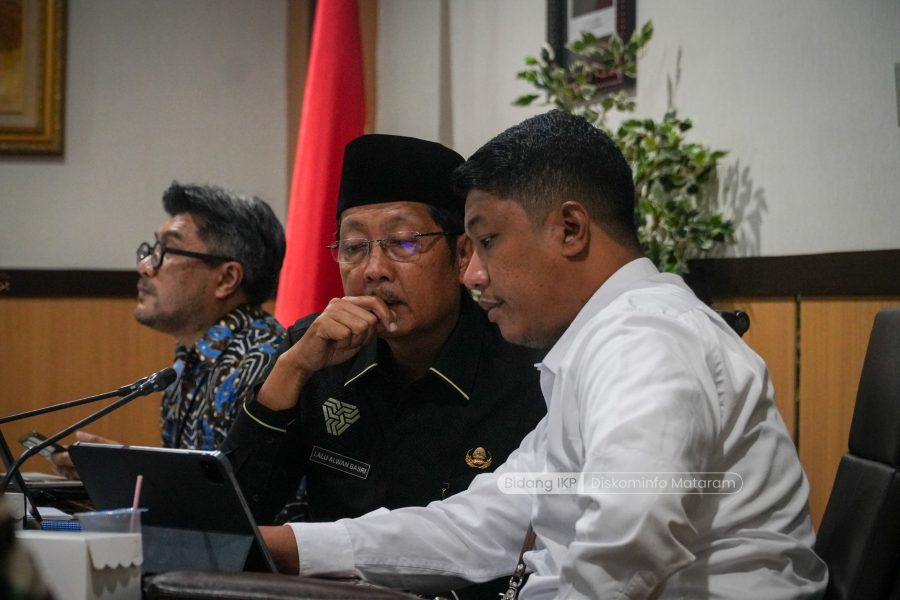
    H. Lalu Alwan Basri, the Regional Secretary of Mataram City, along with Mohammad Reza Nugraha, the Head of the Mataram City Central Statistics Agency, and Andhi Wahyu Riyadno, Deputy Head of the Bank Indonesia Representative Office in West Nusa Tenggara, participated in the meeting from the Kenari Room of the Mataram Mayor’s Office. The officials paid close attention to the Minister’s directives regarding the current national economic situation and strategies for inflation control in 2025.

    The coordination meeting, which included governors, regents, and mayors from across Indonesia, saw Minister Tito Karnavian stress the importance of regional leaders being attuned to the ongoing societal conditions, which are deemed not yet fully stable. He advised local governments to avoid excessive ceremonial activities that could potentially cause public unrest.