Blog

  • NTB Governor Encourages Red and White Cooperative to Boost Local Food Supply

    NTB Governor Encourages Red and White Cooperative to Boost Local Food Supply

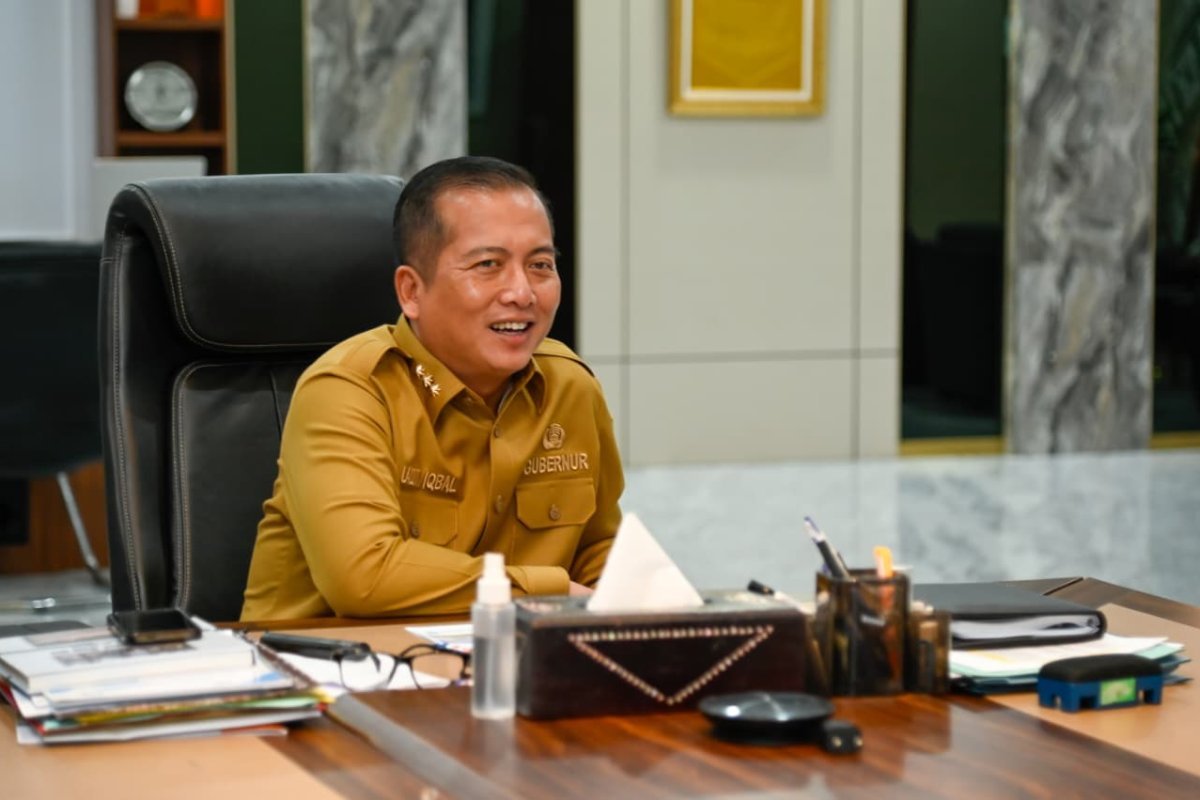
    Lombok Zone – The Governor of West Nusa Tenggara (NTB), Lalu Muhamad Iqbal, has urged the Red and White Cooperative (Kopdes) to play an essential role as a supplier of food items for the Free Nutritious Meal (MBG) program in the region.

    This call to action came during his visit to the Kopdes in Tegal Maja, located in Tanjung District, North Lombok, on the afternoon of February 25, 2026. Iqbal emphasized the significant economic opportunities that the local cooperatives can seize from this national program.

    He highlighted the high demand for essential food supplies, such as eggs and meat, to support the MBG initiative in NTB. Currently, local egg producers can only meet about 30% of the region’s needs, with the remainder being imported from Java. With the MBG program set to increase the demand further, there is a risk that external supplies could become increasingly limited.

    “Focus on supplying for MBG only. There is nearly 6 trillion IDR circulating in the MBG program. This presents a tremendous economic opportunity for our region,” stated Iqbal.

    He noted that by 2026, funds circulating in NTB through this flagship program from President Prabowo Subianto would reach 5.7 trillion IDR, exceeding the NTB Regional Revenue and Expenditure Budget (APBD). Iqbal warned that the influx of central government funds should not flow out of the region due to NTB’s unpreparedness for being a supplier. He insists that local cooperatives must take the lead to ensure that the economic benefits are realized by the local community.

    As the former Indonesian Ambassador to Turkey, he also mentioned that Bank NTB Syariah has allocated a Credit for People’s Business (KUR) budget of 30 billion IDR for cooperatives and small and medium enterprises (SMEs). This funding can be utilized by Kopdes to submit loan proposals as initial capital to establish livestock businesses capable of meeting the needs of the MBG.

    “We are currently designing the credit distribution plan; Bank NTB is also open for KUR disbursement to ensure this program is directed and precise,” he explained. Iqbal added that once the business proposals are ready, cooperatives can promptly apply for loans from Bank NTB Syariah for swift capital disbursement.

    Meanwhile, Martinom, the Chairman of Kopdes Tegal Maja, revealed that the cooperative is currently engaged in two types of businesses: rice and LPG sales. Following the governor’s directive, he acknowledged the substantial potential for livestock farming in his village. Currently, there are several broiler and layer chicken farms in operation, although funding challenges have hindered further business development.

    “From the start, we have been eyeing the MBG potential. If we had been provided with soft funding early on, we could prioritize building chicken coops,” stated Martinom.

    It is known that Kopdes Merah Putih Tegal Maja currently has 26 members, but interest from the community is high, with around 200 people wanting to join. In addition to funding constraints, the cooperative is also dealing with land issues for establishing their store. They hope these land issues can be resolved soon so that the cooperative can fully realize its business potential.
  • NTB Governor Engages with Extreme Poverty in Sigar Penjalin Village

    NTB Governor Engages with Extreme Poverty in Sigar Penjalin Village

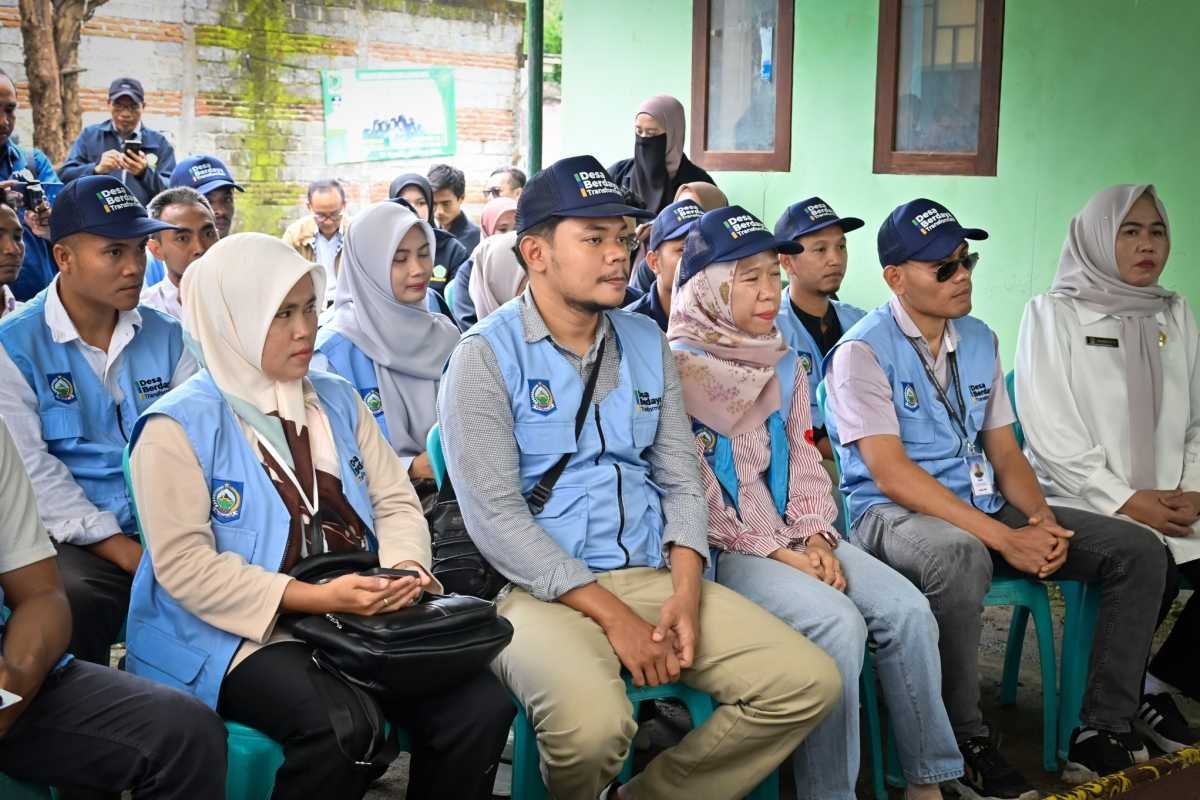
    Lombok Zone – On February 25, 2026, the Governor of West Nusa Tenggara (NTB), Lalu Muhamad Iqbal, visited the impoverished residents of Sigar Penjalin village in North Lombok District. His visit aimed to distribute essential food supplies and cash assistance while checking on the implementation of the Empowered Village Program, designed to combat poverty.

    Sigar Penjalin has been identified as a key area for this initiative. Accompanied by various local government organizations and Baznas NTB, Iqbal personally assessed the living conditions of families, including children facing severe economic hardships.

    During his visit, Iqbal highlighted the significant potential of Sigar Penjalin, strategically positioned near Lombok’s tourist attractions. The area boasts attractions such as Sire Beach, luxury villas, premium hotels, a golf course, and a mini zoo. Despite its potential, extreme poverty persists among some residents.

    “The potential here is immense, but I’ve seen firsthand that many still suffer from dire poverty. Their circumstances are challenging and require collaborative and well-organized intervention,” Iqbal stated.

    Iqbal elaborated on the Empowered Village Program, which will intervene at both the village and family levels. Village facilitators have already pinpointed key issues, including a high number of youth without stable employment.

    The core objective of this program is to ensure that each family has a reliable source of income within a year. “Our goal is for every household to achieve financial independence and stable income in the next year. That’s the essence of tackling poverty,” he explained.

    In addition to economic assistance, the program will address educational issues, waste management, and village spatial planning. This year, the Empowered Village initiative is targeting 40 villages classified as extremely poor.

    Regarding the allocation of the Rp500 million stimulus per village, Iqbal emphasized that spending should be driven by the actual needs of the community. Local governments, along with support teams, are tasked with identifying programs that can effectively boost the local economy.

    “Everything must be based on a bottom-up approach, reflecting the villagers’ own identification of needs. It’s the responsibility of village heads and facilitators to determine what will serve as an economic lever,” he said.

    Moreover, Iqbal noted that support will come not only from the provincial government but also from the central government, local authorities, civil society organizations, and universities.

    Earlier, Iqbal expressed that the Empowered Village Program is a solution-oriented initiative characterized by its collaborative and orchestrated nature. “Don’t think you can solve these village issues alone; it’s impossible,” he emphasized while addressing the village facilitators.

    In closing, Iqbal urged that the presence of village facilitators should be felt by the community, encouraging engagement and consultation with existing support personnel. “You are not designed to solve village problems alone. There are various support systems already in place. Collaborate with them; that is the hallmark of the Empowered Village Program,” he affirmed.

    Zawil Fadli, the head of Sigar Penjalin village, expressed hope for intensive intervention from the NTB provincial government to address extreme poverty in his village, stating, “We hope our impoverished residents can be assisted through empowering programs, so that we can resolve poverty issues in our village as soon as possible.”

  • Gelegar Lentera Ramadan 2026 Kicks Off in Lombok with a Vibrant Celebration

    Gelegar Lentera Ramadan 2026 Kicks Off in Lombok with a Vibrant Celebration

    Governor Launches Unique Ramadan Event

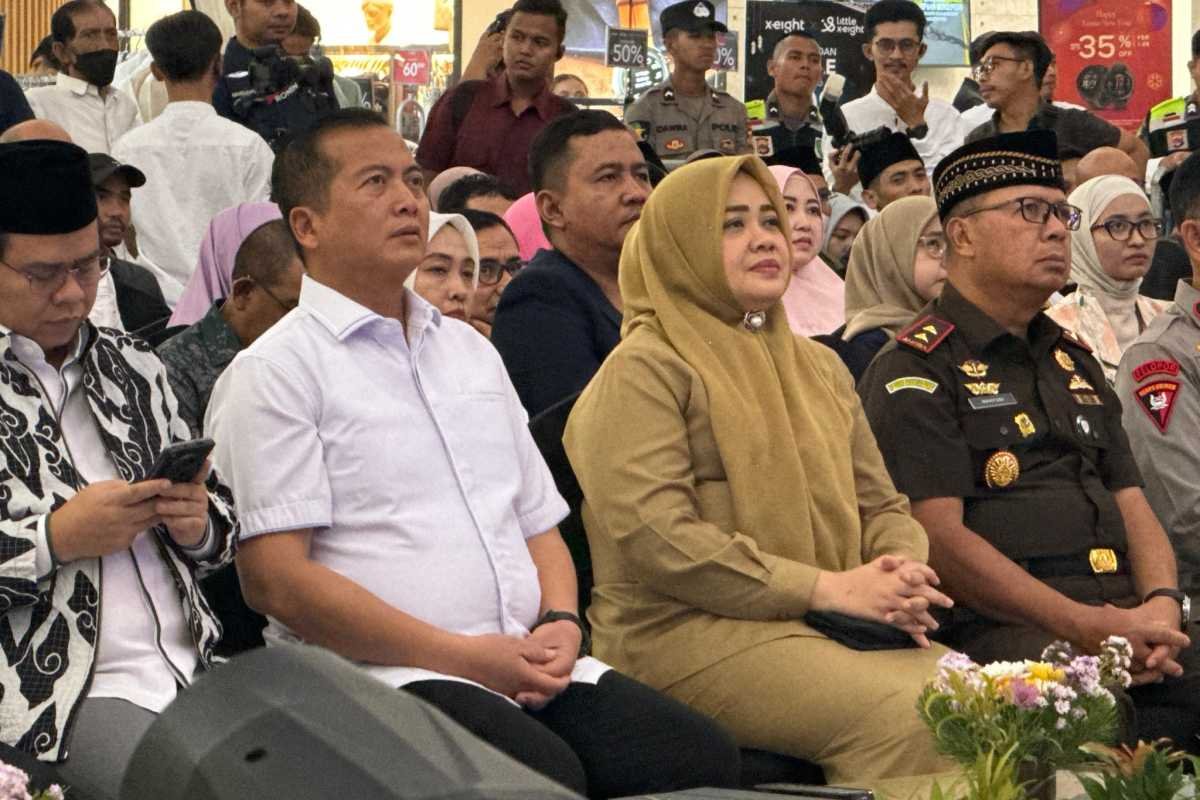
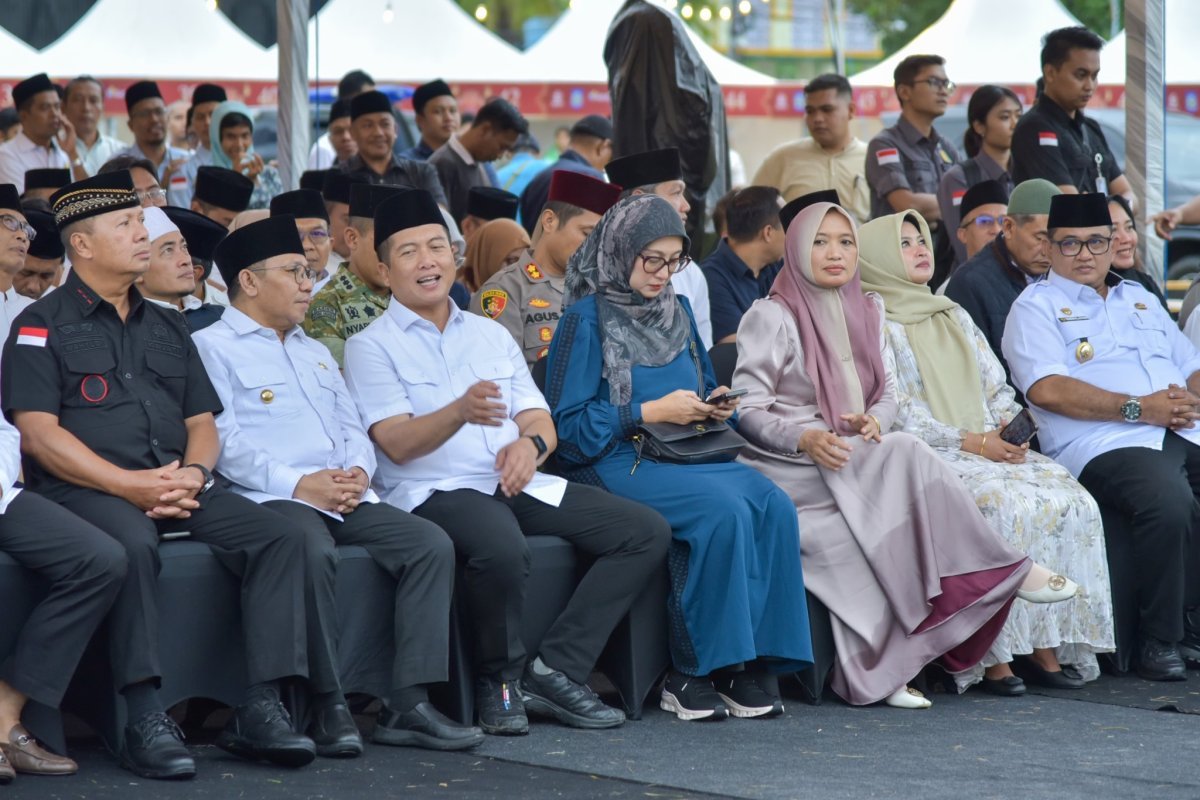
    Lombok Zone – The Governor of West Nusa Tenggara, Lalu Muhamad Iqbal, officially inaugurated the ‘Gelegar Lentera Ramadan 2026’ at Tioq Tata Tunaq Square in North Lombok on Wednesday, February 25, 2026. The event was highlighted by a performance from the renowned religious singer, Opick.

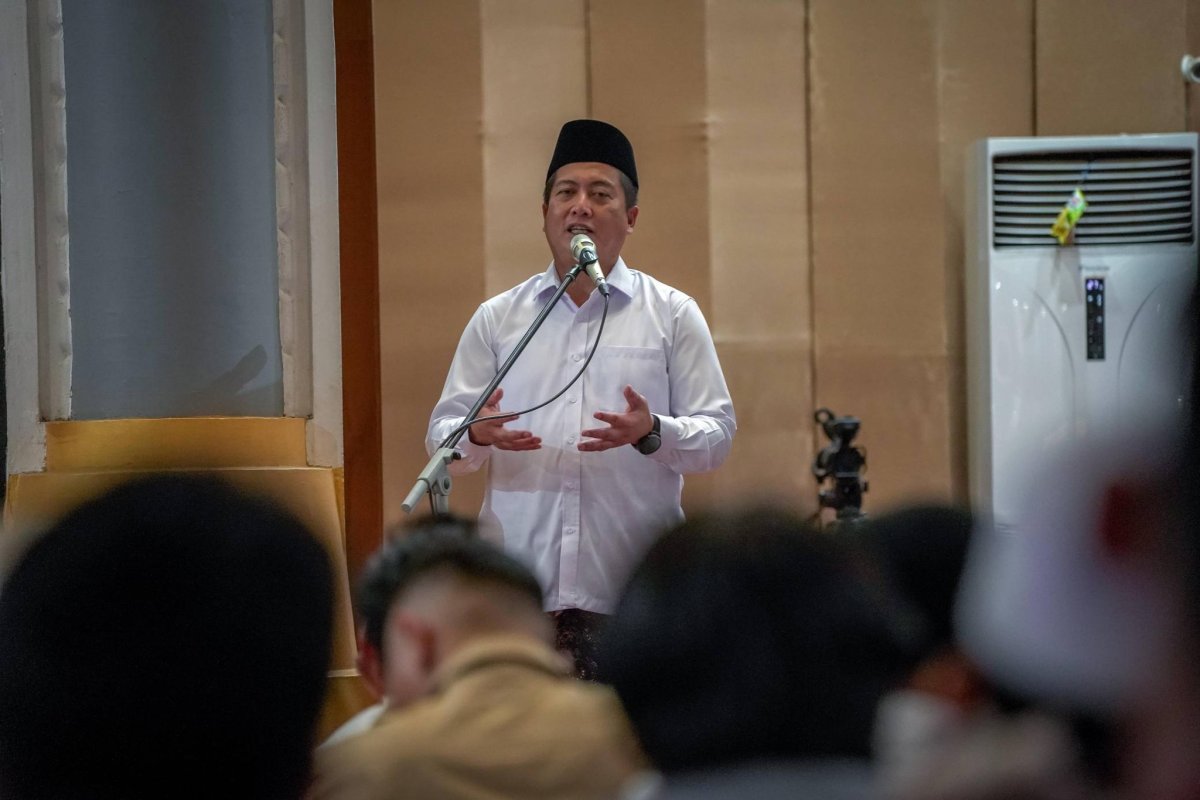
    Governor Iqbal emphasized that this year’s Ramadan festivities would be distinct from those of previous years, focusing on equitable benefits for micro, small, and medium enterprises (MSMEs). He stated, “Last year, the Ramadan event was mainly centered in one location. This time, we have spread it out across various regions.”

    He underlined the need for economic empowerment to reach different districts and cities so that local business owners can directly experience the economic flow during Ramadan. “The spirit of MSME empowerment, which was previously concentrated at the Islamic Center Hubbul Wathan, should be extended to other areas to ensure that MSMEs from various districts also benefit,” he added.

    Event Schedule and Goals

    The Gelegar Lentera Ramadan 2026 will unfold gradually, starting in North Lombok from February 25 to March 1, 2026. Following this, the event will move to Bima City on March 2-3, then to Central Lombok from March 4 to 8, and will conclude back at the Islamic Center Hubbul Wathan.

    Ahmad Nur Aulia, the Head of the NTB Tourism and Creative Economy Office, described the event as a platform designed to boost community economic activities through cross-sector collaboration. He stated, “This event provides a space for religious expression and entertainment for the community.”

    Aulia noted the partnership with Bank NTB Syariah to ensure that the blessings of Ramadan reach the families involved in MSMEs. The event’s highlight is the performance by Opick, intended to entertain the local audience.

    “This event also forms part of the local government’s strategy to foster culture and religious-based activities that have a direct impact on the local economy and equitable economic activities across NTB regions,” he mentioned.

    Opick, whose real name is Aunur Rofiq Lil Firdaus, expressed his joy at returning to NTB. He mentioned that this visit felt different compared to his previous ones. “Today, the weather is rainy. I hope our fasting goes smoothly,” Opick remarked before performing his song, Maulana, at the Gelegar Lentera Ramadan stage in North Lombok.

  • Sumbawa’s Economic Transformation: Key Developments in 2023

    Sumbawa’s Economic Transformation: Key Developments in 2023

    Driving Economic Change in Sumbawa

    Lombok Zone – The Sumbawa Regency government is making significant strides in its economic transformation under the flagship Program 05 Jarot–Ansori. This initiative focuses on the industrialization of local products and the boost of strategic investments in the region.

    In partnership with Deputy Regent Drs. H. Mohamad Ansori, Regent Ir. H. Syarafuddin Jarot is committed to enhancing the downstream processes in agriculture, fisheries, and local resources to provide greater economic value to the community.

    Key Progress in the First Year

    During the initial year of their administration, several notable achievements have been secured:

    • Integrated Chicken Downstreaming: The local government has facilitated a significant investment of approximately Rp1.3 trillion for the integrated chicken project in Serading, which has entered the groundbreaking phase. This project aims to strengthen the livestock production chain from upstream to downstream, creating new job opportunities.
    • Development of Salt Industrial Area: In addition to livestock, the government is promoting the salt industry by consolidating around 10,000 hectares of land in the Plampang–Empang region. This sector has an estimated investment potential of Rp2.5 trillion, aiming to position Sumbawa as a national salt production hub.
    • Preparation for National Strategic Aquaculture Project: The local administration has proposed the development of shrimp aquaculture in the Moyo Utara area as part of the National Strategic Project (PSN), with a potential investment of about Rp2.1 trillion. This program is expected to enhance economic growth and competitiveness in the fisheries sector.

    Strengthening Government and Private Sector Synergy

    These investment initiatives are being executed through active collaborations involving the local government, the NTB Provincial Government, and strategic private partners. This approach aims to ensure regulatory certainty, infrastructure support, and sustained investments.

    Policy Review: Shifting from Production to Added Value

    The realization of Program 05 indicates that Sumbawa’s development focus is shifting from merely producing primary commodities to fostering a value-added economy through industrialization.

    This transformation is crucial, as previously, most local commodities were sold in raw form, limiting the economic benefits to the community. By emphasizing downstream processes and industrialization, the anticipated benefits include:

    • Creation of new job opportunities
    • Growth of local processing industries
    • Increased income for farmers, ranchers, and fishermen
    • Enhanced Local Revenue Sources

    From a budgeting perspective, this policy reflects a strategic development approach that doesn’t solely rely on regional budget spending (APBD) but optimizes private investment to drive regional economic growth. As a result, the APBD can be focused on providing essential infrastructure, regulations, and investment facilitation.

    This effort demonstrates that in their first year, the Jarot–Ansori administration has laid the groundwork for a long-term economic transformation aimed at sustainably improving the welfare of the community.

  • 2025 Marks a New Era for Fisheries and Marine Development in NTB

    2025 Marks a New Era for Fisheries and Marine Development in NTB

    Lombok Zone – The year 2025 heralds a significant transformation in the fisheries and marine sectors in West Nusa Tenggara Province. Under the leadership of Iqbal and Dinda, this sector is evolving beyond merely being a source of primary commodities. It is now positioned as the cornerstone of a productive, competitive, and sustainable agro-maritime industry.

    This period represents both a consolidation phase and an opportunity for acceleration. As the inaugural year for implementing the Regional Medium-Term Development Plan (RPJMD) for 2025-2029, it also serves as a key moment for reinforcing production structures, enhancing the well-being of business actors, and integrating economic productivity with environmental sustainability.

    Enhanced Production and Consolidation of the Sector

    In 2025, the total fish production reached 1,252,719.60 tons, exceeding the annual target and reflecting a growth of 2.96 percent compared to 2024. This performance indicates that growth is no longer erratic but is rooted in stabilizing production systems at the levels of fishermen and breeders.

    The aquaculture subsector achieved 997,210.64 tons, surpassing its targets with a 1.66 percent annual increase. Although this growth is moderate, it takes place on a substantial production base nearing one million tons, indicating a notable strengthening of the aquaculture structure. The stability in shrimp and seaweed production, alongside improved business efficiency, marks successful technical guidance and the beginning of production integration aligned with market orientation.

    On the other hand, the capture fisheries sector realized production of 255,508.96 tons, growing 2.79 percent from the previous year. This growth reflects stabilizing capture activities and optimizing production resources, while ensuring that output increases remain within the sustainability framework for fish resources.

    Improved Welfare for Business Players

    From an economic perspective, the Fisheries Exchange Rate (NTP) in 2025 recorded at 106.82, showing an increase of 1.23 points compared to 2024, significantly surpassing expectations. This increase suggests that the prices received by fishermen and breeders are rising faster than their costs. At a macro level, these conditions reflect a stabilization of business actors’ welfare and provide evidence that production growth aligns with improved margins.

    Environmental Sustainability and Continuous Growth

    Indicators of environmental sustainability have also shown progress. By 2025, the area of marine ecosystems classified as healthy reached 14,528 hectares, exceeding targets and marking an improvement from 2024. This progress is supported by the management of 12 marine conservation areas through three designated management bodies. Such advancements in ecosystem quality affirm that growth in the fisheries sector proceeds in harmony with ecological caution.

    Strengthened Regulatory Framework

    The transformation of the sector is further solidified by the establishment of Provincial Regulation No. 14 of 2025 regarding Sustainable Management of Marine and Fisheries Resources. This regulation clarifies the provincial authority in managing the sea up to 12 miles, bolsters a risk-based licensing system, enhances conservation area management, and inspects mechanisms.

    With this legal framework, the direction of fisheries industrial downstreaming is reinforced, aligned with environmental support and the welfare of coastal communities.

    Beginning of Downstreaming Initiatives

    Additionally, 2025 marks the starting point for restructuring the economic landscape of the marine sector through increased downstreaming efforts. The operation of a salt factory in Bima Regency has transitioned the local economic model from raw material production to value addition.

    The impact is evident through increased income for salt farmers, job creation, price stabilization, and reduced dependence on external supply—demonstrating concrete steps toward building a robust agro-maritime value chain.

    In the case of the leading shrimp commodity, the local government is preparing a Feasibility Study (FS) and Detailed Engineering Design (DED) for an integrated processing plant linked with the fishing port. Accompanied by investment policy supports such as land provision, licensing facilitation, and fiscal incentives, the strategy emphasizes that the downstreaming approach extends beyond technical planning to form a tangible investment ecosystem.

    A Pivotal Year

    Overall, nearly all key indicators for 2025 indicate improvement over 2024: production has risen close to 3 percent, both aquaculture and capture sectors are positively growing, the NTP is stronger, and the quality of marine ecosystems is better. If 2024 can be seen as a period of stabilization, then 2025 reflects a more mature and directed consolidation, underpinned by strong regulatory foundations and an increasingly integrated approach to development between productivity, value addition, and sustainability.

    Thus, 2025 is positioned as a turning point for the fisheries and marine sector in NTB: a transitional phase from mere quantitative growth towards the transformation of agricultural industry governance that is productive, competitive, and sustainable.

  • NTB Government Pushes for Quick Resolution of Mining Permits

    NTB Government Pushes for Quick Resolution of Mining Permits

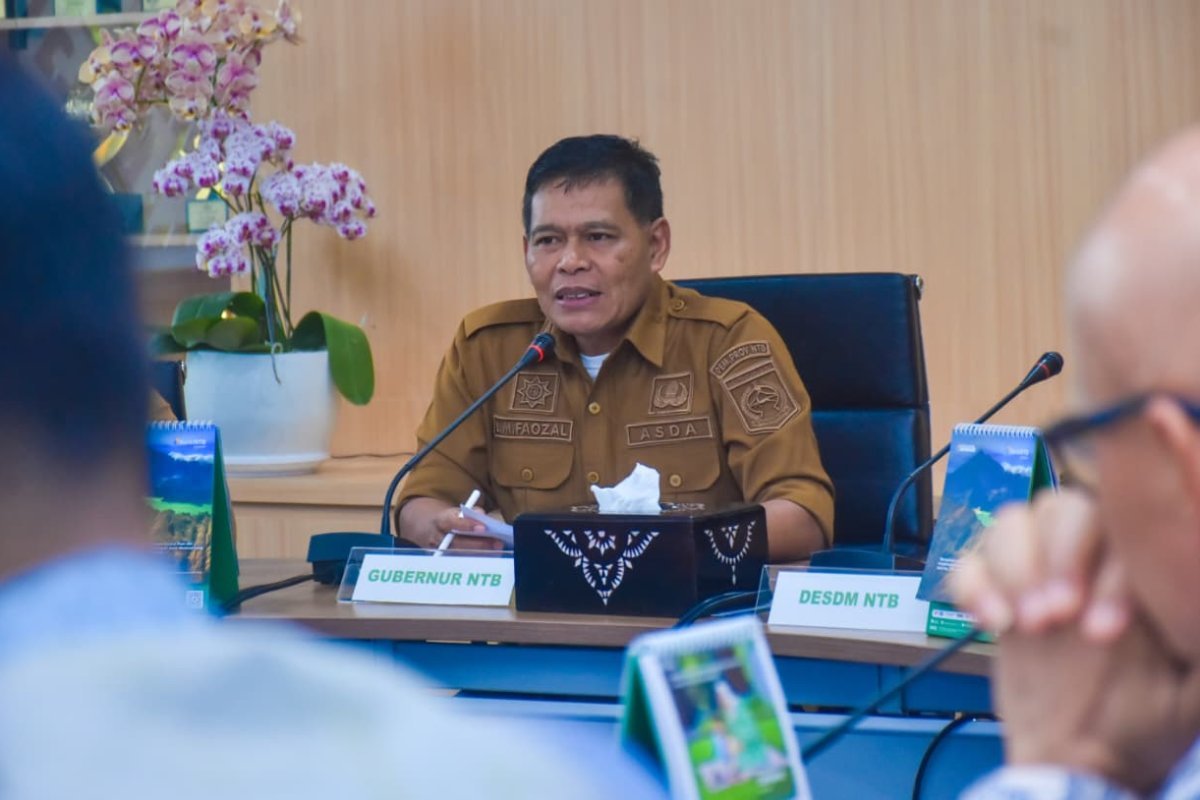
    Lombok Zone – The local government of Nusa Tenggara Barat (NTB) is taking decisive action to expedite the mining permit process for small-scale miners. This initiative was highlighted during a Focus Group Discussion (FGD) held on February 24, 2026, at the Bank NTB Syariah building. Representing NTB’s Governor, the Regional Secretary H. Lalu Moh. Faozal emphasized the critical need to accelerate the issuance of Mining Permits (Izin Pertambangan Rakyat, IPR) as a way to combat the prevalence of illegal mining and address the decline in regional revenue.

    He pointed out that NTB’s fiscal situation is currently under stress due to a significant cut in the Transfer to Regions (TKD) fund by the central government, amounting to IDR 1.2 trillion. “The potential of IPR can be a lifesaver for NTB in terms of local revenue. We contribute significantly to the national economy, but our fiscal health is not in good shape,” he stated.

    Despite having received 16 IPR proposals, only one location has successfully moved forward as a pilot project, situated in Selanong, Bukit Mas Bangket. However, there are still technical challenges related to post-mining reclamation and the readiness of mining cooperatives’ administrative matters that need to be resolved.

    One of the main obstacles identified is the differing interpretations of regulations among three sectors: Energy and Mineral Resources (ESDM), Environment (LHK), and Cooperatives. This lack of synchronization is perceived to potentially create legal loopholes.

    “We do not want the local government to become merely a ‘student’ of law enforcement agencies subsequently due to misinterpretations of regulations. That is why we invited the police and prosecutors to supervise this process to ensure transparency and accountability,” he asserted.

    During the FGD, the NTB government outlined four strategic steps: identifying mining management issues, formulating a transparent legalization strategy, promoting cross-sectoral synergies (central and regional government, law enforcement), and developing sustainable policy recommendations.

    This initiative is also expected to accelerate discussions on the regional legislative initiative concerning mining. Interestingly, NTB’s commitment to regulating IPR has drawn national attention, as evidenced by a recent study visit from the Gorontalo provincial government.

    “The community has been waiting. We can no longer postpone. The swift implementation of regulations is key to transforming illegal mining into a legal sector that benefits the people,” he concluded.

    Earlier, the Head of the NTB Energy and Mineral Resources Office, Samsudin, provided an update on the progress of IPR in the region. He revealed that out of the 16 proposals received, only one has advanced as a pilot project, located in Bukit Selonong, Sumbawa. However, he acknowledged that its operations are still far from optimal.

    “The project in Selonong is a dummy, but on the ground, we are still facing environmental issues related to post-mining reclamation and unresolved internal cooperative administrative issues,” he explained further.

    The ESDM head highlighted the ‘conflict’ of regulations among the three key sectors: ESDM, Environment, and Cooperatives. These differing interpretations of rules have hindered the legalization process, while demands from mining communities continue to rise through various forms of expression.

    In response, they held a strategic FGD to formulate the acceleration of IPR legalization. The main focus is to align cross-sector policies and involve law enforcement agencies to ensure a robust legal framework for the licensing process.

    “We aim to identify current issues and develop policy recommendations that ensure the welfare of the people without neglecting environmental preservation,” he concluded.

  • Inclusivity in Rinjani National Park Management: A Commitment from the Governor

    Inclusivity in Rinjani National Park Management: A Commitment from the Governor

    Lombok Zone – The Governor of West Nusa Tenggara, Dr. L Muhamad Iqbal, has emphasized the provincial government’s commitment to making the management of Mount Rinjani National Park (TNGR) more inclusive. This initiative aims to engage all stakeholders and involve local communities in the conservation and tourism efforts surrounding this renowned destination.

    During a meeting held on February 23, 2026, with Budhy Kurniawan, the Head of TNGR, and Qwadru P Wicaksono, General Manager of Rinjani Geopark, the Governor expressed strong support for TNGR’s operational programs. He highlighted that the provincial government should be the first to respond to challenges facing TNGR, recognizing that the park cannot tackle its issues alone.

    The Governor pointed out that previous management practices have not sufficiently coordinated with local governments in Lombok Utara, Lombok Timur, and Lombok Tengah, nor with the communities regarding conservation and tourism management of this world-famous site. He stressed the need for collaborative management strategies that align with local characteristics.

    He cited the recent incident of a tourist accident as an important example of how vital collaboration is—citing the vertical rescue initiative developed in partnership with local stakeholders to ensure safety during hikes. This underscores the importance of teamwork among TNGR, government bodies, and the community.

    Furthermore, the governor addressed issues in conservation, such as waste management, local village potential, supporting infrastructure, and hiking tourism as revenue sources. He suggested establishing a premium ticketing system for hiking, accompanied by certification and insurance, aimed specifically at international climbers, while ensuring that profits contribute to the development of surrounding communities.

    In closing his remarks, the Governor highlighted the significance of Mount Rinjani as a symbol of community life and expressed hope for innovative management strategies for TNGR in environmental and tourism governance. He proposed holding press conferences, including with international media, to share updates on changes made, particularly correcting misconceptions about Rinjani’s trekking reputation.

    In alignment with these goals, TNGR officials presented various empowerment and conservation programs planned for the year during the meeting. This includes initiatives focused on local village potential, waste management systems, safety facilities, and unique merchandise. They also announced plans to reopen hiking trails on March 28.

  • Mataram Government Urges Against Panic Buying During Ramadan

    Mataram Government Urges Against Panic Buying During Ramadan

    Lombok Zone – As Ramadan approaches in 2026, the Mataram City Government, through its Trade Office (Disdag), is urging citizens to avoid panic buying. This advisory comes in light of rising prices for essential goods in local markets, particularly chili peppers, which have surged to Rp170,000 per kilogram.

    Irwan Harimansyah, the head of Disdag Mataram, reassured residents that the supply of basic goods remains stable and adequate.

    “We encourage the community to shop based on their actual needs and resist the urge to over-purchase. The recent price hikes are still subject to fluctuations,” he stated on Monday, February 23, 2026.

    According to Harimansyah, the sharp increase in chili prices is primarily due to high demand not being met by local supply in Mataram. Although there are sufficient stocks from surrounding areas, such as West Lombok and East Lombok, distribution has not been optimized.

    “We are planning to bring in additional supplies from producing regions outside of NTB, including Bali and Java,” he added.

    In addition to chili peppers, other commodities have also seen price increases. Beef is now priced between Rp145,000 and Rp150,000 per kilogram, up from the normal range of Rp125,000 to Rp135,000. Chicken prices have risen to Rp42,000–Rp44,000 per kilogram, while the price of medium-sized eggs has gone from Rp58,000 to Rp60,000 per tray. On the other hand, the prices for large and curly chili peppers have remained stable at around Rp30,000 per kilogram.

    To curb further price hikes that could strain consumers, the Disdag of Mataram is enhancing coordination with the Provincial Trade Office, Bulog, Bank Indonesia, distributors, and the Food Task Force.

    “The government is also preparing for community markets, affordable markets, and the Cheap Food Movement (GPM) as intervention measures to ensure that the prices and supply of essential goods remain controlled throughout Ramadan,” he explained.

  • Gubernur NTB Serukan Syukur Menyambut Ramadan 1447 Hijriah

    Gubernur NTB Serukan Syukur Menyambut Ramadan 1447 Hijriah

    Lombok Zone – Di penghujung bulan Sya’ban menuju awal Ramadan 1447 Hijriah, Gubernur Nusa Tenggara Barat, Lalu Muhamad Iqbal, mengajak segenap masyarakat untuk mensyukuri momen berharga ini. Ajakan gubernur disampaikan saat melaksanakan Salat Tarawih perdana yang diadakan di Masjid Hubbul Wathan Islamic Center pada Rabu malam, 18 Februari.

    Dalam sambutannya, Lalu Iqbal menekankan bahwa tidak semua orang memiliki kesempatan untuk merayakan Ramadan tahun ini, meskipun mereka sangat mendambakannya. “Banyak saudara dan sahabat kita yang harus merelakan hadir di masjid malam ini akibat sakit atau uzur. Karena itu, kita patut bersyukur atas kesempatan ini,” ujarnya.

    Gubernur menambahkan, pertemuan dengan bulan suci merupakan karunia luar biasa yang senantiasa dijadikan doa oleh umat. “Tahun lalu kita meminta agar Tuhan mempertemukan kita kembali dengan Ramadan. Malam ini, Allah mengabulkan doa tersebut, dan ini merupakan sebuah nikmat,” ucapnya.

    Dalam kesempatan tersebut, ia juga mengajak para jamaah untuk menjalani ibadah puasa dengan iman dan keyakinan. “Mari kita hadapi Ramadan dengan penuh keimanan. Ibadah ini merupakan perintah Allah dan tentunya membawa kebaikan bagi jiwa dan raga kita,” tambahnya.

    Gubernur juga merespons pelantikan pengurus baru Masjid Hubbul Wathan Islamic Center serta Lembaga Pengembangan Tilawatil Quran (LPTQ) Provinsi NTB. Ia berharap hal ini dapat memperkuat pembinaan agama di daerah. “Kami doakan para pengurus baru ini diberi kemudahan dalam memakmurkan masjid dan melahirkan generasi Qurani di Nusa Tenggara Barat,” jelasnya.

    Sejak pelaksanaan Salat Isya dan Tarawih, ribuan jamaah sudah memadati masjid terbesar di NTB tersebut. Antusiasme masyarakat yang tinggi ini menandakan sambutan hangat terhadap bulan suci Ramadan.

  • Menikmati Senja yang Memukau di Kebon Cafe Sunset Land

    Menikmati Senja yang Memukau di Kebon Cafe Sunset Land

    Pesona Sunset yang Tak Terlupakan

    Lombok Zone – Siapa yang tidak terpesona dengan keindahan matahari terbenam? Di Kebon Cafe Sunset Land, Mataram, Anda dapat merasakan momen magis ini sambil menikmati hidangan yang lezat. Tempat ini bukan hanya sekadar lokasi makan, tetapi juga menawarkan pengalaman tak terlupakan dengan pemandangan senja yang luar biasa.

    Menu Lezat dan Beragam

    Kebon Cafe Sunset Land terkenal dengan variasi makanan dan minuman yang menggugah selera. Dari hidangan lokal hingga internasional, setiap menu disiapkan dengan bahan berkualitas yang memastikan rasa yang memanjakan lidah. Anda bisa mencoba berbagai hidangan, mulai dari seafood segar hingga pilihan vegetarian yang menyehatkan, semuanya disajikan dengan penuh kreativitas.

    Suasana yang Cozy

    Dengan desain yang modern namun tetap hangat, Kebon Cafe menciptakan suasana yang nyaman untuk bersantai. Baik Anda datang bersama keluarga, teman, atau bahkan sendirian, tempat ini menyediakan nuansa yang sempurna untuk menikmati setiap detik senja. Ada berbagai spot untuk mengambil foto, menjadikannya tempat yang ideal untuk mengabadikan momen indah.

    Lokasi Strategis

    Terletak di pusat Kota Mataram, Kebon Cafe Sunset Land mudah diakses dari berbagai lokasi di sekitar kota. Anda tidak perlu khawatir tentang rute yang rumit, cukup ikuti petunjuk dan Anda akan sampai dengan mudah. Lokasi ini juga menawarkan parkir yang cukup luas, sehingga Anda bisa menikmati waktu tanpa stres.

    Kesimpulan

    Secara keseluruhan, Kebon Cafe Sunset Land adalah pilihan tepat untuk menikmati keindahan senja sambil menyantap hidangan yang nikmat. Jangan lewatkan kesempatan untuk merasakan kombinasi sempurna antara pemandangan yang memukau dan cita rasa makanan yang luar biasa. Kunjungi Kebon Cafe dan buatlah kenangan indah yang akan selalu Anda ingat!

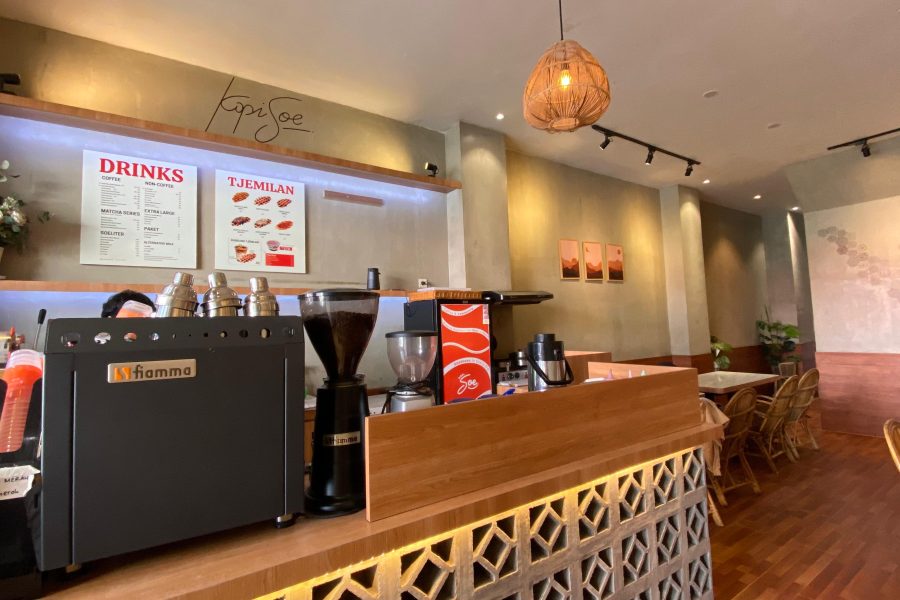
  • Explore Kopi Soe Lombok: A Unique Hangout Spot

    Explore Kopi Soe Lombok: A Unique Hangout Spot

    If you’re in Lombok and looking for a cool new place to hang out, Kopi Soe Lombok is worth a visit. Conveniently located on Jalan AA Gede Ngurah 59, this spot offers something for everyone, whether you’re looking to work, relax, or enjoy a view.

    Versatile Spaces for Every Need

    Open from 7 AM to 10 PM, Kopi Soe Lombok is designed to cater to different preferences across its three floors. The first floor is a co-working space, perfect for those who need a productive environment with a good cup of coffee. If you’re in the mood for relaxation, head to the second floor, where you can unwind in a cozy setting. For a more open atmosphere, the third floor offers a semi-indoor rooftop area that combines fresh air with a comfortable space.

    Whether you’re a freelancer looking for a new workspace or someone who just wants to chill out with friends, Kopi Soe Lombok could be your new favorite spot in town.

  • Octo Billiards: A New Family-Friendly Billiard Spot Opens in NTB

    Octo Billiards: A New Family-Friendly Billiard Spot Opens in NTB

    On Saturday, January 3, 2025, a new billiard venue named Octo Billiards opened its doors, bringing a unique experience to billiard enthusiasts in NTB. Located in the bustling Mario Swalayan shopping complex, directly across from the old Selaparang Airport, this new spot is making waves with its top-of-the-line Majestix Series tables imported directly from China. It’s the first of its kind in the region.

    Octo Billiards: A New Family-Friendly Billiard Spot Opens in NTB

    Octo Billiards features 13 billiard tables and offers both smoking and non-smoking areas, making it an ideal destination for families looking to enjoy a game together. With its family-friendly atmosphere, it’s set to be a popular spot for locals and visitors alike. The establishment operates from 10:00 AM to 2:00 AM WITA, giving patrons 16 hours daily to enjoy their favorite game.

    For the people of Lombok, known locally as Semeton Lombok, who are eager to try out this new billiard experience, contact is simple. You can reach out via Instagram at “Octobillards” or call directly at 081399979855. There’s also the option to connect through WhatsApp, ensuring a convenient way to gather more information or make reservations.