Blog

  • NTB to Become National Model for Creative Economy Financing
    NTB to Become National Model for Creative Economy Financing

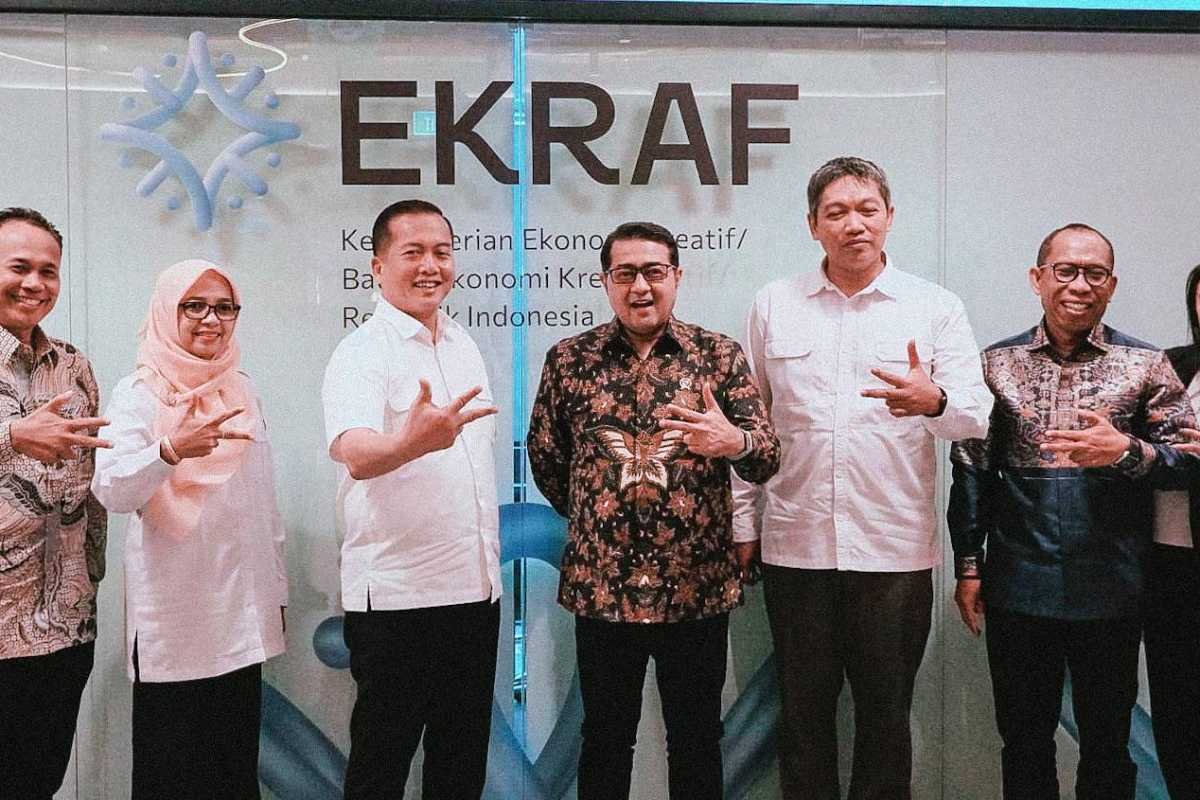
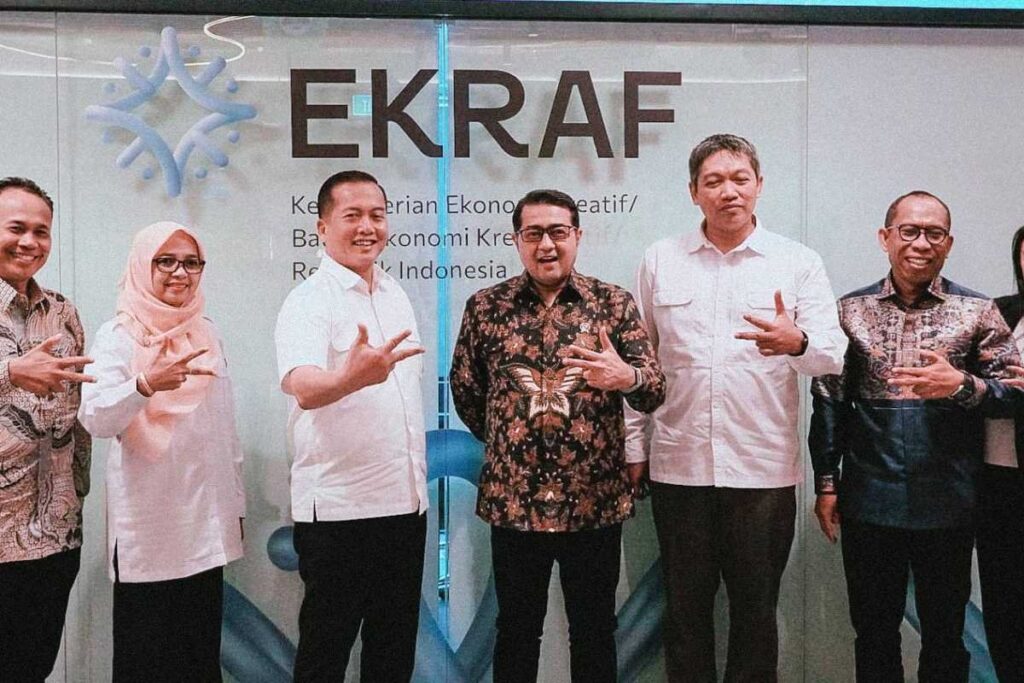
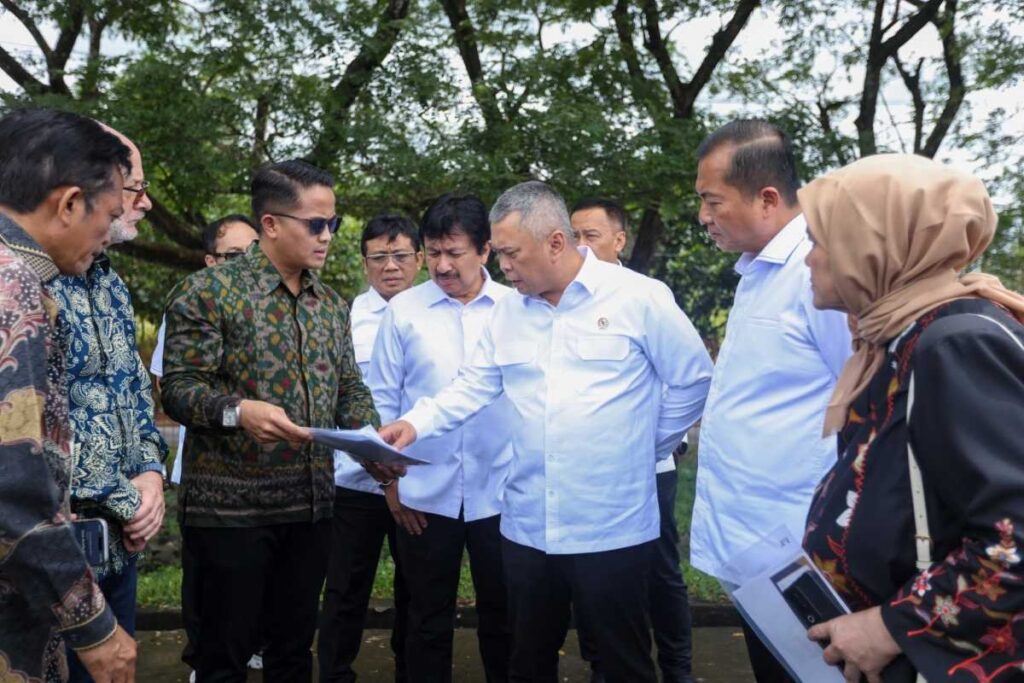
    Lombok Zone – The Governor of West Nusa Tenggara, H. Lalu Muhamad Iqbal, alongside Indonesia’s Minister of Creative Economy, Teuku Riefky Harsya, has reached a significant agreement to position NTB as a national benchmark for implementing creative economy financing through the People’s Business Credit (KUR). This agreement emerged during a meeting held on Tuesday, March 10, 2026, at the Ministry of Creative Economy’s office in Jakarta.

    During the meeting, Governor Iqbal was accompanied by key officials, including the Head of the Communication, Information, and Statistics Office of NTB, the Head of NTB’s Tourism Office, and the Head of the Regional Development Planning Agency. They discussed enhancing access to financing for creative economy players, including a collaboration plan with Bank NTB Syariah to facilitate local funding.

    Governor Iqbal emphasized the importance of the creative economy as a future sector that promises new growth opportunities, particularly for the youth. He stated, ‘If this financing scheme for the creative economy operates effectively in NTB, it can serve as a national model. NTB is ready to be a policy laboratory for the development of the creative economy in Indonesia.’

    The discussions also highlighted the need to strengthen the KUR scheme for the creative industry, focusing on intellectual property. This approach allows creative entrepreneurs to access funding through intangible assets like trademarks, copyrights, and registered creative works.

    Minister Teuku Riefky Harsya noted that the central government recognizes NTB’s potential to lead as a model region for intellectual property-based creative economy financing. ‘NTB has a clear vision for the development of the creative economy, making it ideal for becoming a national role model for implementing KUR, particularly in partnership with Bank NTB Syariah,’ he said.

    The proposed scheme enables curated creative entrepreneurs to secure funding of up to hundreds of millions of rupiah. The intellectual property held by these entrepreneurs will play a crucial role in credit assessments, thereby increasing financing access that has traditionally been challenging for many in the creative sector.

    Beyond financing, the meeting also focused on bolstering the creative economy ecosystem in NTB. The NTB provincial government is keen to foster creative events based on intellectual property, aiming not only to host events but also to produce creators with marketable intellectual property at both national and international levels.

    Governor Iqbal outlined a vision for NTB’s development that extends beyond tourism. This vision emphasizes the integration of tourism, the creative economy, digital technology, renewable energy, and international connectivity. He believes the development strategy for the Bali-NTB-NTT regions should pivot towards regional integration rather than just inter-regional collaboration.

    In terms of enhancing the digital ecosystem, the NTB provincial government is promoting the development of digital talent through educational programs in information technology and multimedia connected directly to industry needs. Plans also include establishing a global technology education model in Lombok.

    Moreover, the development of the Mandalika area is set to become a hub for the digital economy. One concept discussed includes establishing a data center in eastern Indonesia, supported by renewable energy sources, particularly solar energy, which has great potential in NTB.

    According to Governor Iqbal, the future of Mandalika’s development should not solely focus on hotel investments and sports events but also on building a vibrant digital economy ecosystem and a community of digital nomads to stimulate year-round economic activities.

    This meeting marks the first step towards strengthening collaboration between the central and local governments to bolster a more robust creative economy ecosystem, encompassing talent development, financing, and enhanced digital infrastructure. With the support for creative economy financing through KUR, along with the strengthening of the digital ecosystem and creative industries, NTB is poised to set a national example for inclusive, sustainable, and innovation-driven creative economy development.

  • NTB Government and ID FOOD Sign MoU for Integrated Poultry Industry Development

    NTB Government and ID FOOD Sign MoU for Integrated Poultry Industry Development

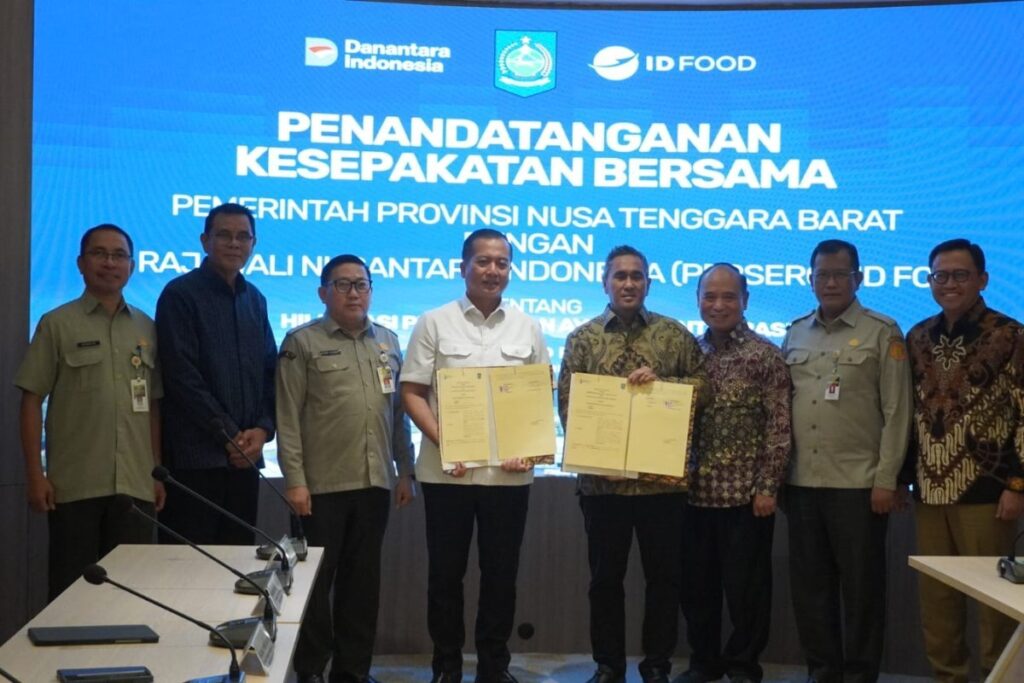
    Lombok Zone – The regional government of West Nusa Tenggara (NTB) has officially partnered with PT Rajawali Nusantara Indonesia (ID FOOD) to enhance the local poultry industry. This new agreement aims to strengthen food security and promote a sustainable agricultural sector.

    On March 9, 2026, the signing of the Memorandum of Understanding (MoU) took place in Jakarta, presided over by NTB Governor H. Lalu Muhamad Iqbal and ID FOOD CEO Ghimoyo. The event was also attended by Dr. drh. Agung Suganda, M.Si, the Director General of Livestock and Animal Health from the Indonesian Ministry of Agriculture, alongside key regional officials.

    This collaboration signifies a strategic move by the NTB government to develop a fully integrated poultry ecosystem, aiming to boost the regional economy towards a more productive and modern framework.

    Governor Iqbal emphasized the initiative’s importance, stating that it transcends typical investment in the livestock sector. He described it as a vital strategy to uplift the livelihoods of local farmers and enhance regional food independence. “This is not just another investment project for NTB; it’s a strategic step to bolster a fairer livestock ecosystem that empowers farmers,” he noted.

    The governor highlighted the current dominance of large enterprises in key areas of the poultry industry, such as day-old chicks (DOC) and feed, which has limited the growth potential of local farmers. The establishment of this integrated poultry industry in NTB aims to create a more resilient business structure, providing more opportunities for local farmers to thrive independently.

    Additionally, NTB faces a significant deficit in the supply of poultry products, especially eggs and chicken meat, still relying largely on external sources. With the rising demand for food from the national program for free nutritious meals, the need for poultry products is projected to surge.

    Governor Iqbal pointed out that the current beneficiaries of this initiative approach a thousand service units, indicating a continuous growth in the demand for food supplies, including poultry products. Therefore, developing an integrated poultry industry is crucial for ensuring food supply resilience and creating new economic opportunities for NTB residents.

    The NTB government is committed to providing comprehensive support for the project, including logistics connectivity, infrastructure enhancement, and strengthening the local livestock business ecosystem. “We will do everything we can to ensure this project runs smoothly and benefits our community,” he stated.

    This MoU follows the groundbreaking of a mega integrated poultry project valued at IDR 1.2 trillion, which already commenced in Serading Village, Moyo Hilir District, Sumbawa Regency. This ambitious initiative aims to establish a modern poultry industry framework that covers everything from providing quality breeds and feed to production and distribution.

    Ghimoyo, the CEO of ID FOOD, elaborated on the company’s strengths, mentioning its robust capacity to enhance the national livestock sector through extensive logistics, distribution networks, and food processing capabilities. ID FOOD boasts a wide distribution network with 74 distribution branches, 24 cold storage facilities, and over 900 logistics vehicles across Indonesia.

    This partnership will see ID FOOD develop an integrated farming ecosystem in NTB throughout various production value chain stages. At the upstream level, the company will support essential farming needs such as superior breeds, feed, medication, and vaccines. During production, local farmers will be encouraged to expand their businesses through contract farming and off-take agreements, ensuring market certainty for their products.

    Furthermore, farmers will receive training, technical assistance, and access to financing options, including investment credits and working capital loans. At the downstream level, ID FOOD will enhance poultry processing through facilities for slaughtering, carcass processing, and product packaging, which will then be distributed through its national network.

    Dr. drh. Agung Suganda also reinforced the strategic national significance of the integrated poultry project. He noted that it not only establishes production facilities but also builds a poultry industry ecosystem that includes local farmers as key players in the production chain. NTB has been identified as a primary cluster for the national integrated poultry project development due to its substantial regional potential and strong local government support.

    In light of the MoU, ID FOOD is set to conduct further field surveys in Sumbawa to ensure the technical and operational readiness of the project site. This phase is crucial to guarantee that the integrated poultry industry can develop on time and effectively benefit the local community. The collaboration among central and local governments, state-owned enterprises, and local farmers is expected to serve as a new driver for the regional economy while reinforcing national food security from West Nusa Tenggara.

  • Exciting Ngabers Event Brings K-Pop Fans Together in Lombok

    Exciting Ngabers Event Brings K-Pop Fans Together in Lombok

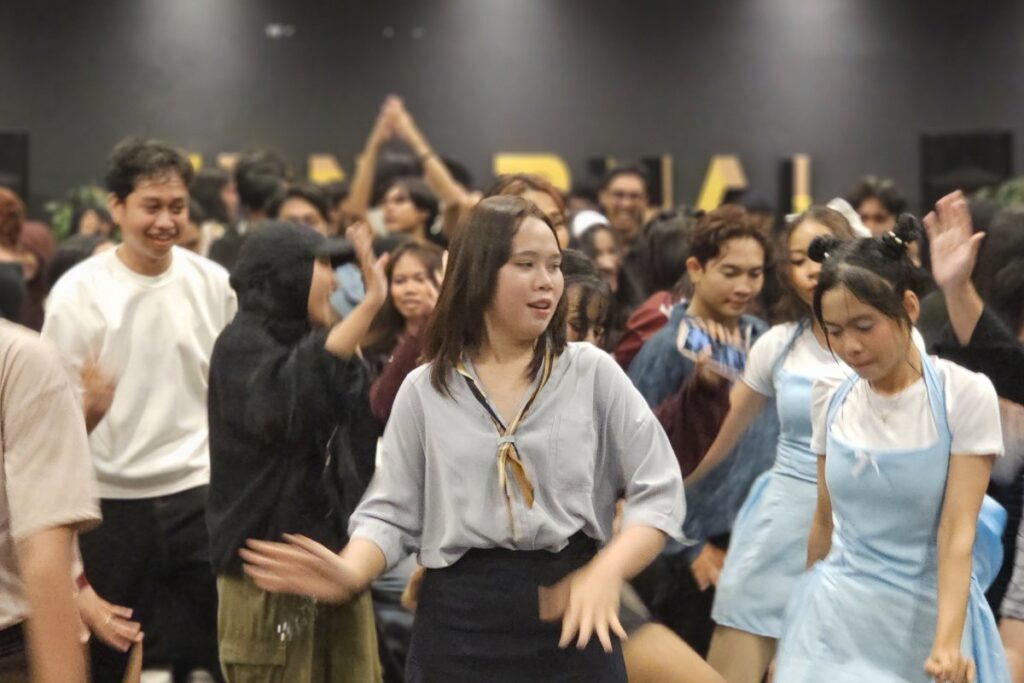
    Lombok Zone – The recent Ngabers event, featuring fun activities and iftar, was a lively celebration for K-Pop enthusiasts in Lombok. This annual gathering saw participation from 15 different K-Pop dance cover groups, showcasing the vibrant culture of K-Pop within the region.

    Taking place on March 7, 2026, at Upnormal Coffee in Mataram from 5 PM to 10 PM, this year’s Ngabers also served as a precursor to the highly anticipated HOBICON 2026, scheduled for June 2026. The event attracted hundreds of dedicated K-Pop lovers who are part of KPopSquadLombok, fostering a sense of community and shared passion for music and dance.

    HOBICON, which stands for Hobby & Community Connect, is a regular event that connects various hobbyist communities across Indonesia, particularly in NTB. This year marks the fourth iteration of HOBICON, emphasizing its growing significance as a cultural gathering for fans of diverse interests.

    The enthusiastic atmosphere of Ngabers exemplifies the camaraderie and excitement that K-Pop fans bring to their gatherings, making it a memorable event for all participants.

  • Lombok Barat Prepares for Festive Lebaran Topat Celebration

    Lombok Barat Prepares for Festive Lebaran Topat Celebration

    Lombok Zone – This year, the Lombok Barat District Government is gearing up for the much-anticipated Lebaran Topat celebration. Scheduled for a week after the Idul Fitri holiday, this event promises to be more lively and colorful than in previous years.

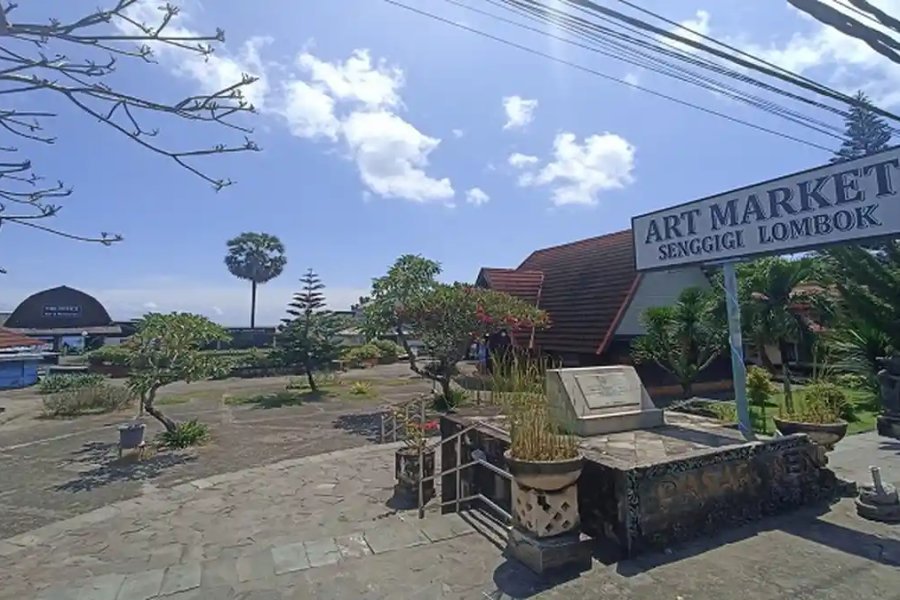
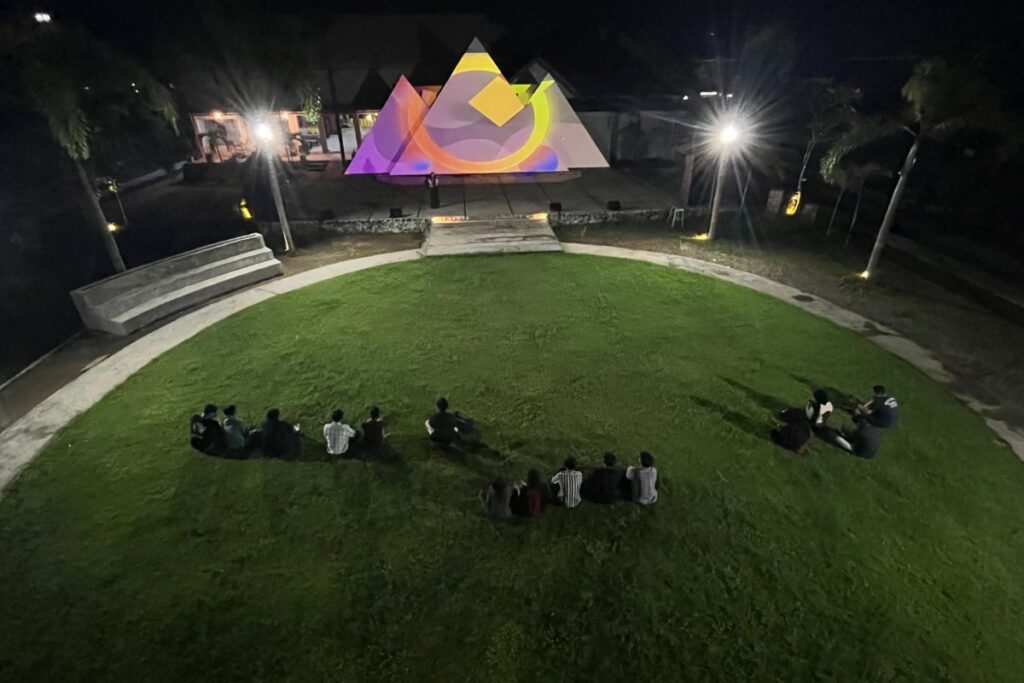
    According to Agus Gunawan, the Head of the Tourism, Creative Economy, Youth and Sports Office, the festivities will take place at the Senggigi Art Market Amphitheater. This location aims to broaden the event’s exposure, particularly to international visitors in the Senggigi area. During his presentation to the regent and several local government officials, Agus emphasized the importance of this initiative.

    The celebration will not only showcase local culture but also encourage participation from various districts throughout NTB. This collaborative effort is designed to strengthen ties and coordination among regions while promoting the rich cultural heritage of Lombok. Furthermore, the local community is invited to be an active part of the Lebaran Topat festivities, marking a true celebration of togetherness.

  • NTB Police Prepare for Safe Idul Fitri Celebrations

    NTB Police Prepare for Safe Idul Fitri Celebrations

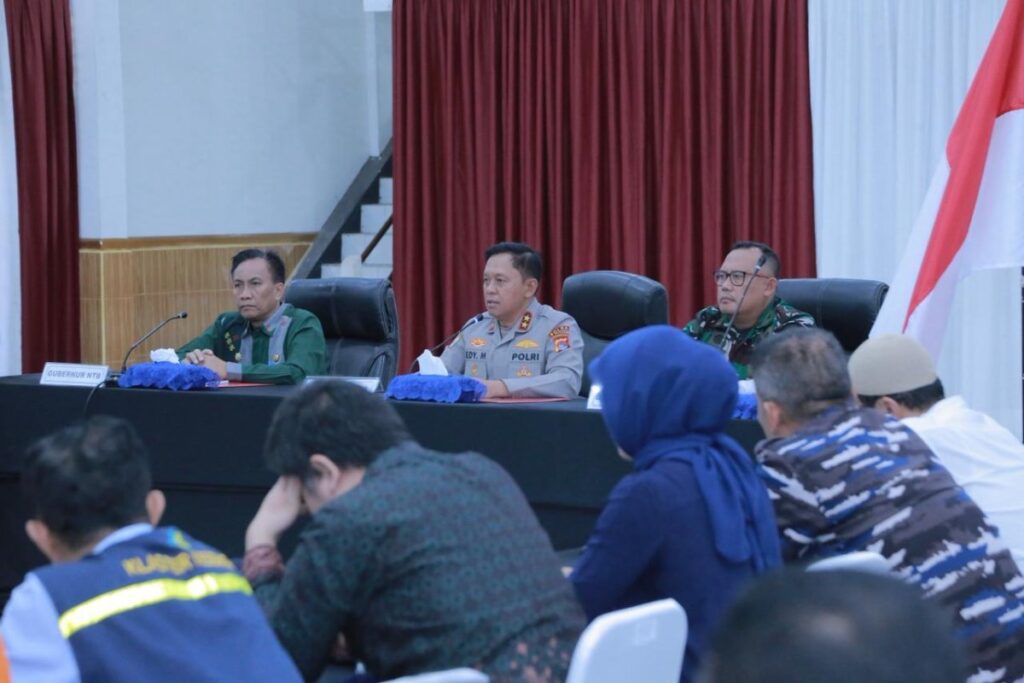
    Lombok Zone – The West Nusa Tenggara Police (Polda NTB) is ramping up its preparations for ensuring safety and security as the celebration of Idul Fitri 1447 Hijriah approaches. On March 6, 2026, a cross-sectoral coordination meeting was held to align efforts across various agencies.

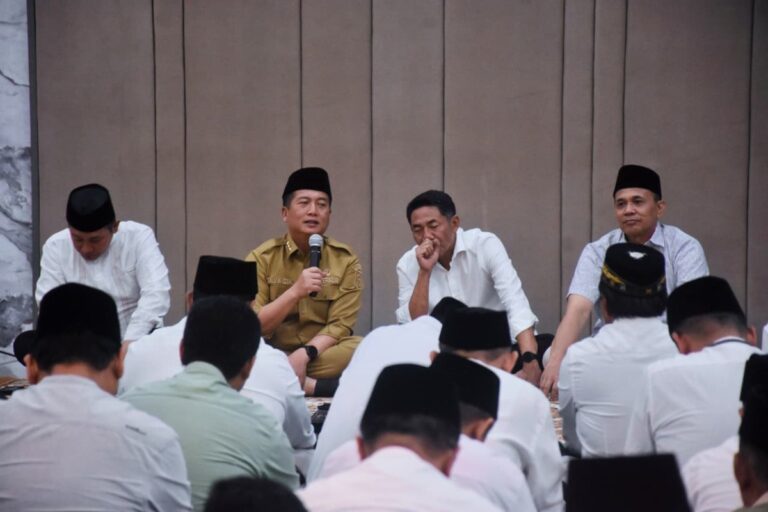
    This important gathering took place at the Sasana Dharma building, led by the Chief of NTB Police, Inspector General Edy Murbowo, and included participation from provincial government officials, military representatives, and other key stakeholders essential to effectively managing the influx of travelers during the holiday period.

    Inspector General Edy emphasized that the primary goal of this coordination meeting was to strengthen the collaboration between different agencies in light of the anticipated increase in community mobility during Eid travel. He remarked, “The coordination also focuses on personnel readiness, infrastructure, and security strategies at various vulnerable points.”

    The police chief highlighted the necessity of inter-agency cooperation as the cornerstone of ensuring a safe, orderly, and conducive environment during the peak travel times and Eid celebrations. He stated, “Securing Eid festivities requires support from all parties, including local government, military, related agencies, and community elements.”

    This meeting serves as a platform for all parties to unify their perspectives, outline strategic measures, and guarantee the readiness of services for those traveling for Eid and celebrating across the West Nusa Tenggara region.

    With a robust inter-sectoral synergy, the NTB police hope that the Idul Fitri 1447 Hijriah celebrations will be safe, orderly, and provide a comfortable experience for the community, whether they are celebrating or traveling home.

  • Strengthening the Role of KDMP Samili in Bima’s Economic Growth

    Strengthening the Role of KDMP Samili in Bima’s Economic Growth

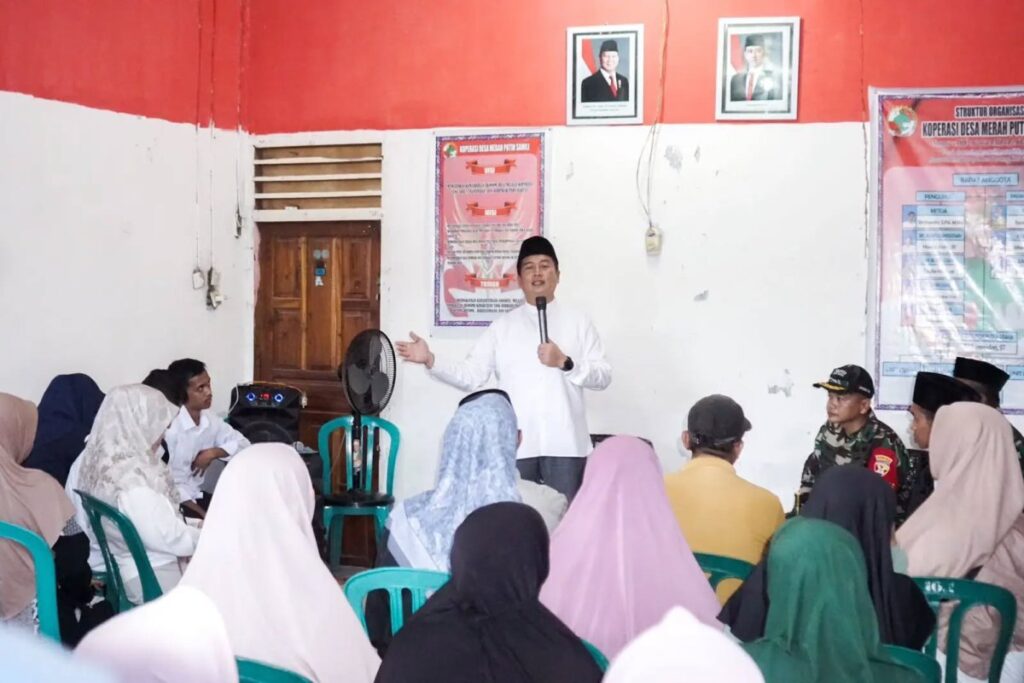
    Lombok Zone – The Governor of West Nusa Tenggara, Lalu Muhamad Iqbal, is advocating for the enhancement of the role of the Merah Putih Village Cooperative (KDMP) in Samili, Tente, Bima Regency. On March 3, 2026, he emphasized the cooperative’s importance as a central distribution hub for essential goods and a catalyst for local economic activity.

    Established in May 2025, KDMP has grown to include 600 members and is primarily focused on distributing rice in collaboration with local milling operations. Additionally, the cooperative facilitates the distribution of fertilizers, managing approximately 10 to 15 sacks at a time. To ensure a more structured and sustainable supply chain, the NTB Provincial Government plans to introduce a Governor’s Regulation (Pergub) concerning the distribution of essentials through KDMP.

    Governor Iqbal asserted, “This cooperative must evolve into a robust business unit, not just a social organization. Members need to begin engaging in business. We aim for essential goods distribution to be led by village cooperatives to stimulate local economies.”

    He also mentioned that the Indonesian Armed Forces (TNI) would lend support in establishing cooperative outlets should any challenges arise. For cooperatives lacking land of at least 10 ares, potential sites include local high schools (SMA and SMK), contingent upon further coordination.

    On the financial front, Governor Iqbal shared that KDMP could utilize the People’s Business Credit (KUR) scheme from Bank NTB, which will offer a 5.7 percent interest rate starting in June. Furthermore, the provincial government will subsidize this interest rate.

    “Feel free to take advantage of KUR from Bank NTB with the 5.7 percent interest rate. From June onwards, we will subsidize the interest. Therefore, it’s crucial for the cooperative to meticulously structure its business plan so that this venture can operate and flourish effectively,” he stated.

    With regulatory support, financing options, and cross-sector collaboration, KDMP Samili is expected to evolve into a key distribution center for essential goods, while driving economic independence for the communities in Woha and surrounding areas.

  • Nusa Tenggara Barat Launches Lentera Ramadan Program in Bima

    Nusa Tenggara Barat Launches Lentera Ramadan Program in Bima

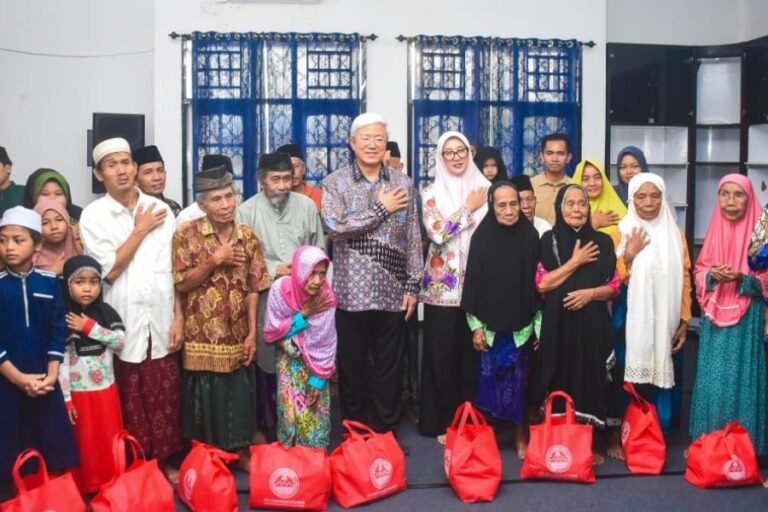
    Lombok Zone – The provincial government of Nusa Tenggara Barat (NTB) has kicked off its Lentera Ramadan program at the Al-Muwahidin Grand Mosque in Bima City, marking a significant moment in the Islamic calendar.

    This initiative is part of the 2026 Lentera Ramadan series, which is being hosted for the first time across various districts in NTB.

    Lentera Ramadan aims to enhance Islamic outreach, promote religious activities, and empower local economies during the holy month of Ramadan. The program includes religious teachings, competitions, bazaars for micro, small, and medium enterprises (MSMEs), as well as education on business and digital marketing.

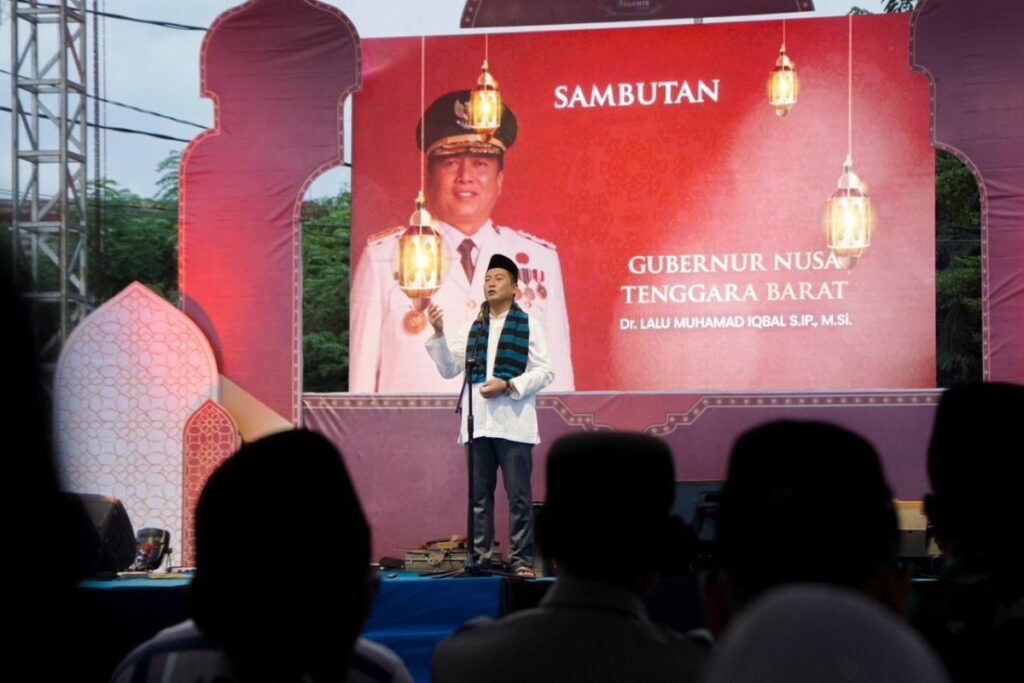
    Governor Lalu Muhamad Iqbal emphasized the shift from previous years when Ramadan activities were centered in Mataram. Starting this year, events are set to rotate across all regions of NTB. “We want development to not be focused only on Mataram but to reach every corner, including cities and regencies like Bima,” he stated.

    The Lentera Ramadan schedule kicked off in North Lombok from February 25 to March 1, 2026, followed by Bima City on March 2-3, Central Lombok from March 4 to 8, and concluding at the Hubbul Wathan Islamic Center in Mataram from March 11 to 17.

    Highlighting development strategies, Governor Iqbal asserted that the focus must not solely be on the capital. The government is committed to enhancing health services in Sumbawa Island by upgrading the provincial hospital there to Type B. This change means residents will no longer need to travel to Mataram for essential services like cath lab procedures, heart examinations, and other critical care.

    Additionally, there are plans to elevate the status of Bima City Hospital from Type D to Type C. Starting June 2026, vital health services will be available in Bima, reducing the need for patients to be referred to Mataram, a move aimed at alleviating the economic burden on families who often spend extended periods in the capital.

    Governor Iqbal commended the integration of mosque activities with economic initiatives through the MSME bazaar, noting that this approach symbolizes a balance between spiritual and economic strength. “Mosques and markets can coexist, reflecting harmony between worldly affairs and the hereafter,” he remarked.

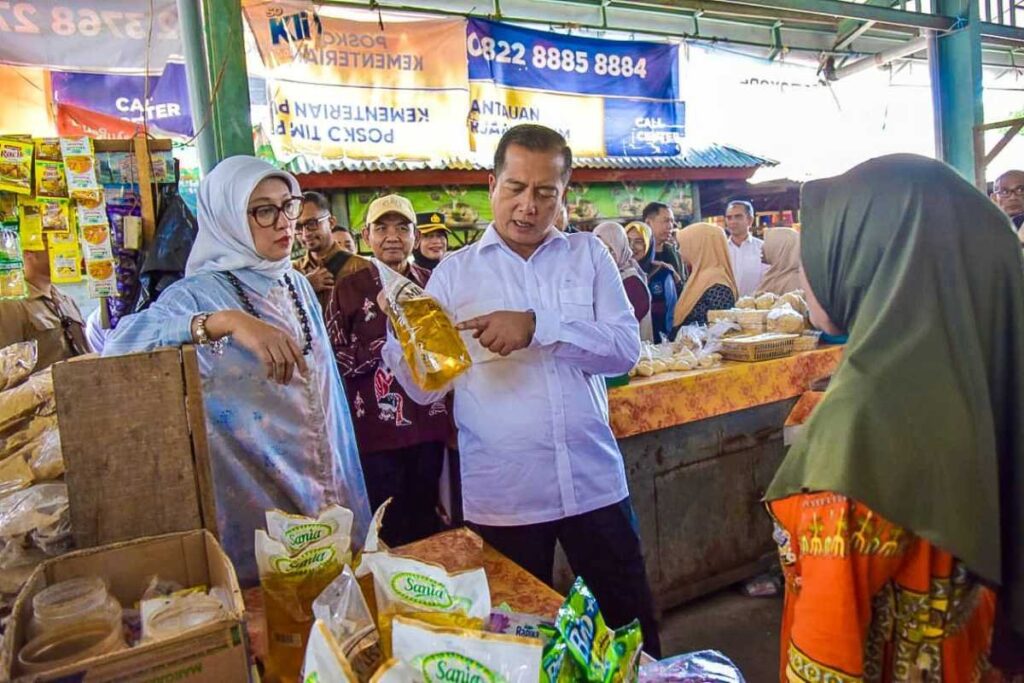
    In Bima City, Vice Mayor Feri Sofiyan shared the day’s activities, which began with an inspection of Amahami Market alongside the NTB Vice Governor, followed by a readiness ceremony at the city government office and visits to supported MSMEs and families in extreme poverty.

    He expressed gratitude for the support from the provincial leaders, stating their presence inspires local officials to improve services for the community.

    Recently, Bima’s economy has shown a positive growth trend of around 4-5% annually, driven primarily by trade and services. Despite relatively high inflation, market inspections have revealed stable prices for key commodities, including chili peppers and essential goods.

    The Bima City Government is committed to ensuring food availability during Ramadan and Eid al-Fitr with stable and affordable prices.

    Through the Lentera Ramadan 1447 H program, the NTB government aspires to foster a spirit of togetherness, equitable development, and economic empowerment among the community throughout NTB, particularly in Bima City.

    Attendees included NTB Governor Lalu Muhamad Iqbal, NTB Vice Governor Indah Dhamayanti Putri, Bima City Vice Mayor Feri Sofiyan, and other local officials.

  • Governor Iqbal Strengthens Village Economy Through Cooperatives

    Governor Iqbal Strengthens Village Economy Through Cooperatives

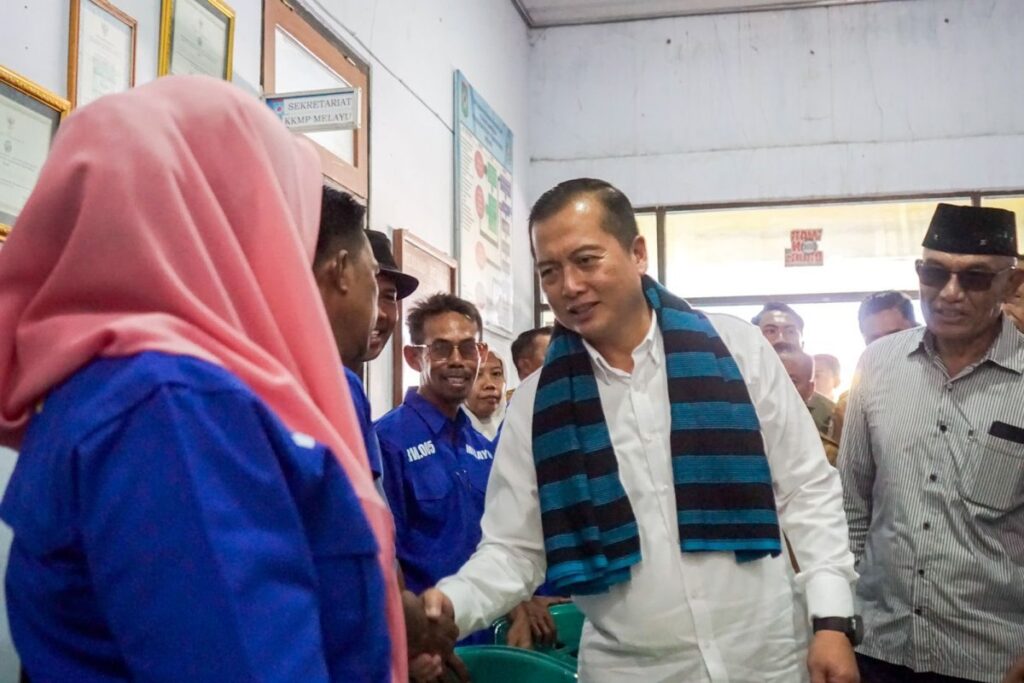
    Lombok Zone – The Governor of West Nusa Tenggara (NTB), Lalu Muhamad Iqbal, has expressed his unwavering commitment to enhancing the village economy by promoting the development of cooperatives and community-based business ecosystems. His remarks came during a meeting with the management of the Merah Putih Melayu Asakota Cooperative in Bima City on Monday, March 2.

    Governor Iqbal highlighted that the local government is poised to assist in advancing technology and formulating business plans to ensure that cooperatives and village enterprises operate effectively. He also mentioned that support would be provided to facilitate access to capital through banking channels.

    “We will help draft the business plans to enable them to apply for bank loans. It’s crucial that these cooperatives are engaged in actual business, not just operating storefronts,” he stressed.

    He pointed out that the distribution chain for agricultural products has been excessively lengthy, resulting in farmers not reaping optimal profits. The produce goes through various intermediaries before reaching the market, which adversely affects the farmers’ bargaining power.

    The cooperative concept championed by the government aims to shorten this distribution chain. With cooperatives, farmers can sell their products directly to the market or end buyers, thereby improving their bargaining position in price negotiations.

    Governor Iqbal also encouraged the development of productive enterprises in villages, such as small-scale egg-laying poultry farms and greenhouse horticulture. These business models are considered practical for meeting local market demands while reducing dependence on external supplies.

    He cited that through collective chicken coop management, villages could produce thousands of eggs weekly, marketed via cooperatives. Similarly, cultivating chili and daily consumption vegetables could satisfy high community demand.

    During the event, he also provided support in the form of infrastructure and equipment to the Merah Putih Melayu Asakota Cooperative, underscoring the government’s tangible commitment to accelerate cooperative operations and business development in the villages.

    He reiterated that strengthening the village economy transcends mere political discourse; it is a significant endeavor towards improving community welfare. “If it’s about politics, we can discuss it in its own arena. However, addressing the economic concerns of the people is a task we must undertake together,” he concluded.

  • Strengthening Environmental Commitment: Indonesia Asri Program Launched in Bima

    Strengthening Environmental Commitment: Indonesia Asri Program Launched in Bima

    Lombok Zone – In a bid to tackle waste management challenges and promote sustainable living, the Vice Governor of West Nusa Tenggara (NTB), Indah Dhamayanti Putri, held a readiness rally for the Indonesia Asri and NTB Asri Berkelanjutan programs at the Bima City Mayor’s Office on Monday, March 2.

    This event serves as a reaffirmation of the collective commitment to enhance environmental quality and address ongoing waste issues. During her address, Vice Governor Dinda emphasized that the Indonesia Asri movement is part of a national directive aimed at revitalizing the spirit of mutual cooperation to achieve a clean and healthy environment.

    “Waste management can no longer rely on traditional methods of collecting, transporting, and disposing of waste. We must transition to an integrated system that starts from the source to the final processing facility,” stated Vice Governor Dinda.

    The NTB provincial government recognizes that waste management remains a shared challenge. Of the ten landfills in NTB, only a portion currently employs a controlled system, while the rest require further organization. This represents a significant task that must be accomplished gradually, with measurable and sustainable steps.

    Additionally, improving the Environmental Quality Index (IKLH) is also a priority. By 2025, the IKLH for NTB is projected to reach 77.4, categorized as good but still below the national target. “Parameters like air quality, water quality, and land cover are focal points for improvement, which will be driven by consistent reforestation and greening initiatives,” she added.

    “The Indonesia Asri and NTB Asri Berkelanjutan movements are not just ceremonial; they call for real action. Waste management must begin at the source and be executed systematically and measurably,” emphasized Vice Governor Dinda.

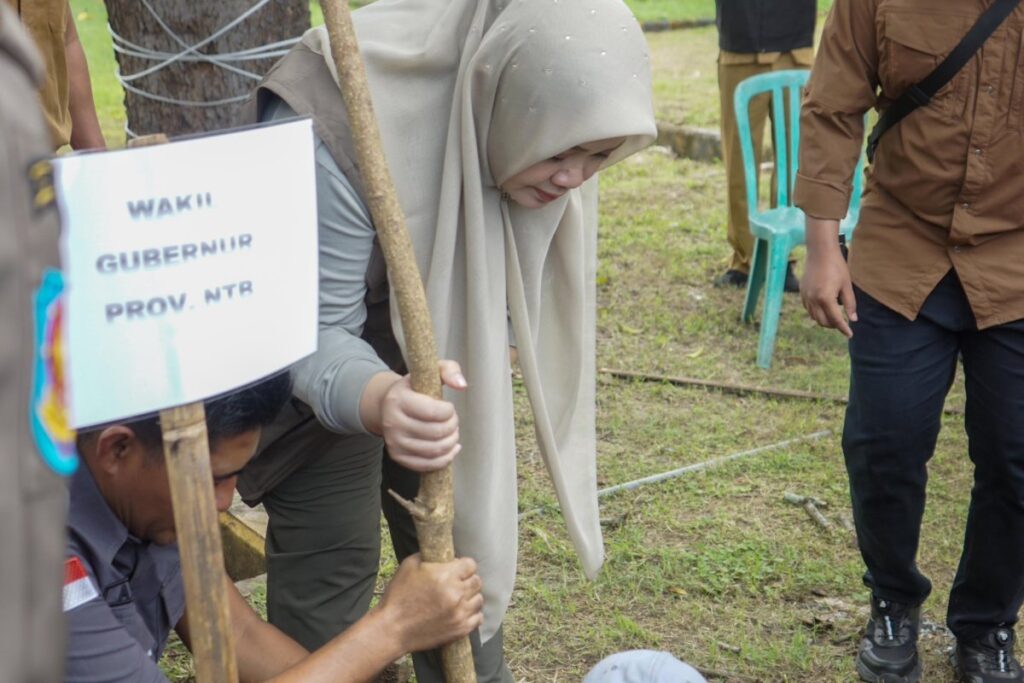
    In a demonstration of commitment, the rally included a tree-planting ceremony in front of the Bima Mayor’s Office, where a pule tree was planted. This act symbolizes the shared dedication towards enhancing greening efforts and maintaining environmental balance in urban areas.

    “We intend to use Ramadan as an opportunity to solidify our commitment to environmental care. Today’s tree planting serves as a reminder that change begins with small steps, but these steps must be taken consistently and collectively,” she continued.

    The government is encouraging all stakeholders, including local authorities, businesses, schools, religious institutions, and community organizations, to participate in making this movement a sustainable collective effort.

    “Without a healthy environment, development will lack a solid foundation. Therefore, let us work together towards a clean, green, and sustainable NTB for future generations,” concluded Vice Governor Dinda.

  • Experience the Unique Ramadhan Film Festival at Ruarsa Lombok

    Experience the Unique Ramadhan Film Festival at Ruarsa Lombok

    Lombok Zone – Get ready for an extraordinary ngabuburit experience this March at the Ramadhan Film Festival hosted by Ruarsa Lombok! This event promises an exciting atmosphere where you can enjoy engaging films while immersing yourself in the warm vibes of the holy month.

    Mark your calendars for the event, taking place from March 1 to March 3, 2026, at Ruarsa Lombok – Immersive Edupark. This is the perfect opportunity to gather with friends and family for an unforgettable evening filled with entertainment and community spirit.

    Film Schedule

    Here’s a sneak peek at the lineup you can look forward to:

    • March 1, 2026: Iqra, Na Na Nada, Suami Idaman
    • March 2, 2026: Kukira Teduh, Pelicin, Segenggam Benih & Segugus Bintang
    • March 3, 2026: Rebo Bontong, Sang Guru Gambar

    With such a diverse selection of films, there’s something for everyone to enjoy. This festival not only showcases local talent but also fosters a sense of unity among cinema lovers.

    Budget-Friendly Bundling Options

    To make this experience even sweeter, Ruarsa Lombok offers fantastic bundling packages that cater to all your needs:

    • Package 1: Rp. 35,000 per person (Includes Festival Ticket + Immersive Ticket + Takjil)
    • Package 2: Rp. 65,000 per person (All-Inclusive! Includes Festival Ticket + Immersive Ticket + Takjil + Iftar Menu: Ayam Penyet/Capcay Seafood/Chicken Steak + Es Jeruk/Tea)

    Whether you’re looking to simply watch a film or wish to break your fast with your friends in a lively setting, this festival caters to all. The bundled options provide great value and the chance to experience delicious local cuisine as you enjoy cinematic delights.

    Bring Your Loved Ones

    So, why not invite your friends, partner, or family members to join in on the fun? This event is a perfect way to create lasting memories during the holy month of Ramadhan. Make sure you don’t miss out on this incredible opportunity!

  • Seaplane Services Set to Transform Connectivity in NTB

    Seaplane Services Set to Transform Connectivity in NTB

    Lombok Zone – On February 28, 2026, a significant milestone was marked with the signing of a Memorandum of Understanding aimed at developing seaplane services in NTB. The agreement was executed by NTB Governor Lalu Muhamad Iqbal, Central Lombok Regent H. Lalu Fathul Bahri, and PT Abadi Mega Angkutan, in the presence of Indonesia’s Minister of Transportation Dudy Purwagandhi. This initiative is not merely a new tourism route; it’s a foundational step toward enhancing connectivity across the islands of NTB.

    The push for improved connectivity aligns with the regional development goals articulated in the RPJMD, which emphasizes quality tourism, effective connectivity, and the blue economy as key competitive pillars. For an archipelagic province like NTB, robust connectivity is a prerequisite for equitable growth.

    Governor Iqbal understands the challenges posed by NTB’s numerous smaller islands, where accessibility often hampers potential development. While marine transport remains essential, its reliance on weather conditions can lead to lengthy travel times, sometimes lasting several hours. In contrast, seaplane services could significantly reduce these durations to mere minutes, representing a major leap in travel efficiency.

    Choosing the Batujai Dam as the operational base for the seaplane services was a decision backed by meticulous technical calculations. Its proximity to Zainuddin Abdul Madjid International Airport allows for several operational advantages:

    • Centralized Air Traffic Control (ATC) enhances communication and oversight, minimizing operational fragmentation.
    • Efficient navigation is achieved due to the close distance to essential infrastructure, reducing the need for expensive separate systems.
    • Integrated facilities lower duplication costs, improving the project’s financial viability.
    • Safety protocols benefit from quicker emergency response due to the alignment with the international airport’s operational ecosystem.

    Thus, the choice of Batujai was driven by aviation logic and safety standards rather than aesthetic considerations. The development roadmap emphasizes a phased and measured approach, starting with:

    • Ensuring the waterbase meets aviation safety standards and Ministry of Transportation regulations.
    • Synchronizing licensing and operational SOPs, including procedures for water aerodromes.
    • Constructing environmentally friendly facilities.
    • Conducting operational trials prior to route expansion.

    Coordination with dam management will ensure that the primary functions of irrigation remain protected. The seaplane operations are designed to coexist with existing infrastructure without compromising water governance or safety.

    From an economic perspective, the seaplane initiative supports a strategy of low-volume, high-value tourism, wherein controlled tourist numbers yield greater economic contributions. Its impact extends beyond just aviation operators to:

    • Boosting visits to smaller islands.
    • Increasing occupancy rates for homestays and eco-resorts.
    • Fostering the growth of coastal SMEs.
    • Enhancing local tourism revenue.

    In a 5–10 year outlook, this swift connectivity could stimulate investments in small island resorts, broaden the conservation tourism market, and streamline logistics for high-value fish commodities.

    This air-water connectivity also has cross-sector implications:

    • It promotes the blue economy by facilitating the mobility of entrepreneurs and investors.
    • It enables emergency medical access from remote islands.
    • It strengthens regional links among Bali, NTB, and NTT in tourism and investment flows.
    • It acts as a catalyst for sustainability-focused areas that blend conservation with local economic growth.

    In conclusion, the seaplane initiative is not just a standalone project; it is a pivotal hub for integrating policies that encompass tourism, fisheries, investment, and sustainable development. Public apprehensions regarding the elitism of the service are being addressed, as initial premium segments are set to unlock broader economic benefits through job creation, SME partnerships, and local services.

    Concerns about environmental friendliness are also being tackled, with facilities designed according to green principles and safety regulations that ensure economic growth aligns with sustainability.

    The policy is built on transparency and accountability, foundational elements that will help earn public legitimacy. NTB’s differentiated advantage of an integrated waterbase with an international airport strengthens its position in the national and regional tourism map.

    Governor Iqbal emphasizes that this initiative transforms NTB from merely being a prime destination into a connected and competitive archipelagic ecosystem. The Batujai seaplane service marks not the end, but the beginning of a strategic repositioning for NTB, showcasing its ability to manage its geography intelligently and sustainably. If executed consistently, this policy will not just open access to hundreds of islands but also usher in a new chapter of equitable, modern, and sustainable development.

  • Strategic Development in East Lombok: A Vision for Economic Growth

    Strategic Development in East Lombok: A Vision for Economic Growth

    East Lombok’s Vital Role in NTB’s Development

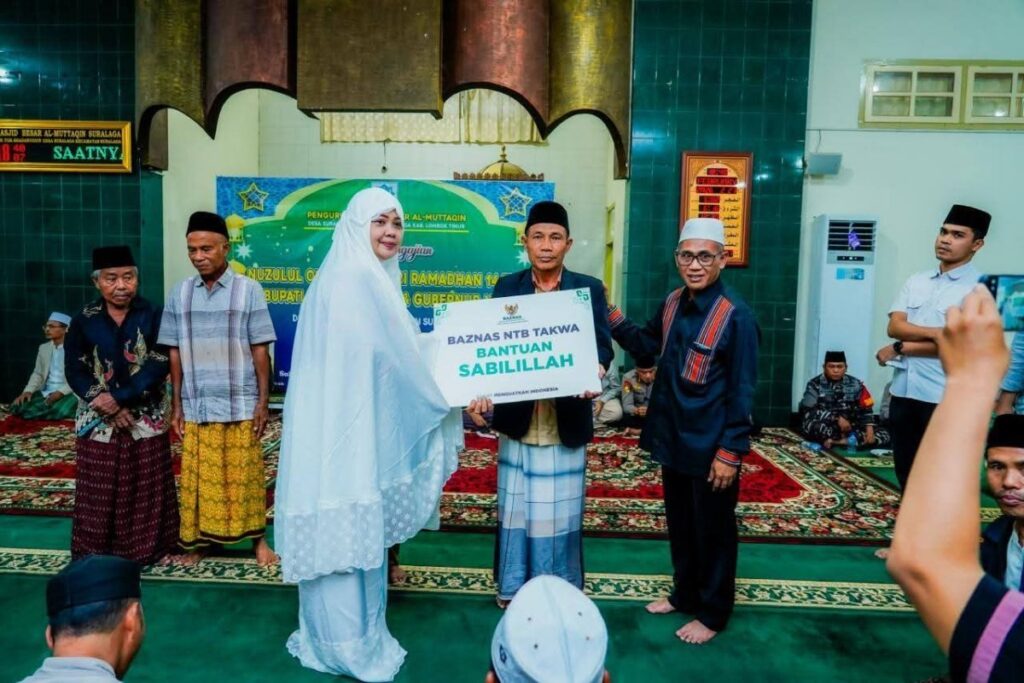
    Lombok Zone – The Governor of West Nusa Tenggara (NTB), Lalu Muhamad Iqbal, recently emphasized the strategic importance of East Lombok in the provincial development agenda. With a population nearing 1.5 million, representing almost a quarter of NTB’s total population of 5.7 million, East Lombok is seen as a crucial player in accelerating regional economic growth. This statement was made during the Ramadan Safari event at Al-Muttaqin Mosque in Suralaga, East Lombok, on Friday, February 27.

    Governor Iqbal pointed out that East Lombok boasts diverse geographical features, from mountainous areas to coastal regions, rich in agricultural and fisheries potential. Over the next four to five years, these resources will be systematically developed to ensure that East Lombok gains wider recognition, alongside significant advancements in local prosperity.

    Infrastructure and Educational Initiatives

    “If a majority of East Lombok’s residents are economically productive and robust, the regional and provincial income will rise significantly,” stated Governor Iqbal. A key focus since the onset of development has been the improvement of infrastructure, particularly the crucial roads that have remained neglected for 11 years, with repairs scheduled to start in 2025. Adequate infrastructure is viewed as the foundation for harnessing the region’s full potential.

    In the education sector, the construction of schools, including religious and vocational institutions, is ramping up. East Lombok is recognized as one of the regions with the highest number of educational establishments in NTB. Additionally, the government is implementing the Fisherman Village program aimed at bolstering the maritime and fisheries sector. The first successful Fisherman Village is located in Ekas, East Lombok, and there are plans to propose up to 40 new fisherman villages, with a significant number allocated to East Lombok.

    Empowering the Youth through Education

    Governor Iqbal also highlighted the progress of the People’s School initiative currently underway in East Lombok, West Lombok, and Sumbawa. Although this program is temporarily structured, it has already made a tangible difference, especially for children from extremely poor families. The People’s School accommodates children who have often never experienced formal education. After engaging in the program, significant changes are observed in their attitudes, motivation, and confidence levels.

    “This is evidence that education with the right approach can transform our children’s futures,” asserted Governor Iqbal. Looking ahead, the focus will not only be on strengthening the curriculum but also on adopting more humane and character-based teaching methods. Developing human resources is described as a collective responsibility, providing space for innovation in each school.

    Inclusive Education and Local Content Development

    Currently, the Central Government, alongside Provincial and District/City administrations, is restructuring the education system for greater inclusivity. Programs for the rehabilitation and digitalization of schools, as well as Operational School Assistance (BOS), will no longer differentiate between public and private schools, as long as they meet administrative requirements and actively offer educational services. Furthermore, the development of local content is gaining attention, as character and culture-based materials can reinforce identity and adapt learning to the community’s social realities.

    The government is also in the process of establishing an Education Council to enhance the management of education in NTB. With strong support from the Central Government and solid cross-regional coordination, coupled with the significant potential of East Lombok, NTB is optimistic about fostering a progressive, independent, and competitive society. “We want education in NTB to be non-discriminatory, based on local character, and managed with robust governance. With the synergy of all parties, God willing, NTB will continue to advance and become more competitive,” concluded Governor Iqbal.

    Notable attendees at the event included NTB Deputy Governor Indah Dhamayanti Putri, East Lombok Regent Haerul Warisin, and heads of relevant local government departments from both the Provincial and East Lombok administrations.